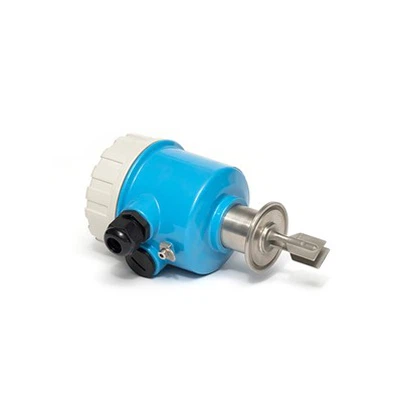

What is the cost of a Tank Radar Level Gauge?
Leave a message

Hey there! As a supplier of Tank Radar Level Gauges, I often get asked about the cost of these nifty devices. So, let's dive right in and break down what goes into the price of a Tank Radar Level Gauge.
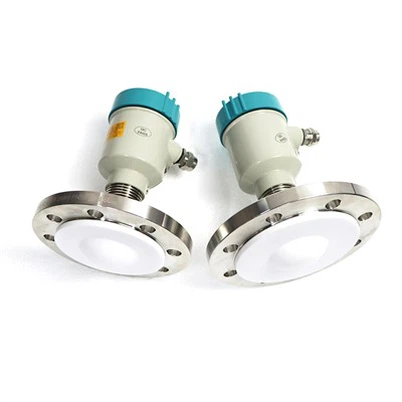
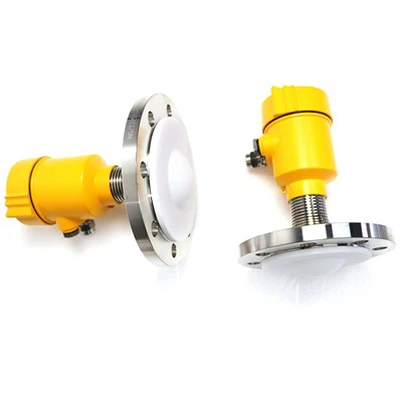
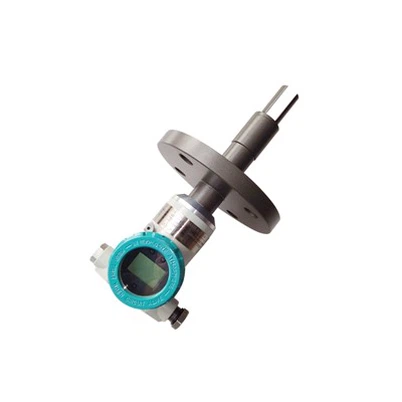
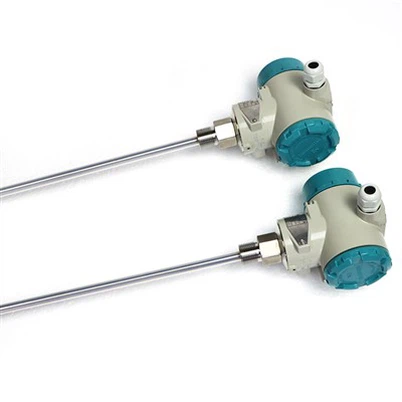
First off, it's important to understand what a Tank Radar Level Gauge is and what it does. A Tank Radar Level Gauge is a device used to measure the level of liquids or solids in a tank accurately. It works by sending out radar signals that bounce off the surface of the material in the tank and then measuring the time it takes for the signals to return. This technology provides highly accurate and reliable level measurements, making it a popular choice in various industries, such as oil and gas, chemical, and food and beverage.
Now, let's talk about the factors that influence the cost of a Tank Radar Level Gauge. One of the biggest factors is the type of radar technology used. There are two main types of radar technology used in Tank Radar Level Gauges: pulsed radar and frequency-modulated continuous-wave (FMCW) radar.
Pulsed radar technology is the older and more traditional type of radar technology. It works by sending out short pulses of radar signals and then measuring the time it takes for the signals to return. Pulsed radar technology is generally less expensive than FMCW radar technology, but it also has some limitations. For example, pulsed radar technology is not as accurate as FMCW radar technology, especially in applications where the tank has a lot of turbulence or where the material in the tank has a low dielectric constant.
On the other hand, FMCW radar technology is a more advanced and accurate type of radar technology. It works by sending out a continuous wave of radar signals that are frequency-modulated. FMCW radar technology is generally more expensive than pulsed radar technology, but it also offers several advantages. For example, FMCW radar technology is more accurate than pulsed radar technology, especially in applications where the tank has a lot of turbulence or where the material in the tank has a low dielectric constant. FMCW radar technology is also more reliable and has a longer lifespan than pulsed radar technology.
Another factor that influences the cost of a Tank Radar Level Gauge is the features and functionality of the gauge. Some Tank Radar Level Gauges come with basic features, such as level measurement and alarm functions. Other Tank Radar Level Gauges come with more advanced features, such as temperature compensation, density measurement, and interface detection. The more features and functionality a Tank Radar Level Gauge has, the more expensive it will be.
The size and capacity of the tank also play a role in the cost of a Tank Radar Level Gauge. Larger tanks require more powerful radar signals to measure the level of the material in the tank accurately. As a result, Tank Radar Level Gauges for larger tanks are generally more expensive than Tank Radar Level Gauges for smaller tanks.
The environment in which the Tank Radar Level Gauge will be used is also an important factor to consider. If the tank is located in a harsh environment, such as a chemical plant or an oil refinery, the Tank Radar Level Gauge will need to be designed to withstand the harsh conditions. This may require the use of more expensive materials and components, which will increase the cost of the gauge.
In addition to the factors mentioned above, the cost of a Tank Radar Level Gauge also includes the cost of installation, calibration, and maintenance. Installation costs can vary depending on the complexity of the installation and the location of the tank. Calibration costs are typically included in the purchase price of the gauge, but some suppliers may charge an additional fee for calibration. Maintenance costs can also vary depending on the type of gauge and the frequency of maintenance required.
So, how much does a Tank Radar Level Gauge cost? Well, the cost of a Tank Radar Level Gauge can range from a few hundred dollars to several thousand dollars, depending on the factors mentioned above. For example, a basic Tank Radar Level Gauge with pulsed radar technology and basic features may cost around $500 to $1,000. A more advanced Tank Radar Level Gauge with FMCW radar technology and advanced features may cost around $2,000 to $5,000 or more.
It's important to note that the cost of a Tank Radar Level Gauge is just one factor to consider when choosing a gauge. You also need to consider the accuracy, reliability, and functionality of the gauge, as well as the reputation and experience of the supplier. Choosing a high-quality Tank Radar Level Gauge from a reputable supplier may cost more upfront, but it can save you money in the long run by reducing maintenance costs and improving the efficiency of your operations.
If you're in the market for a Tank Radar Level Gauge, I encourage you to do your research and compare different models and suppliers. Look for a gauge that meets your specific needs and budget, and make sure to choose a supplier that has a good reputation and experience in the industry. You can also check out some of the resources available online, such as Non contact high-temperature radar liquid level measurement, Radar tank level measurement, and Radar level transmitter, to learn more about Tank Radar Level Gauges and their applications.


In conclusion, the cost of a Tank Radar Level Gauge can vary depending on several factors, including the type of radar technology used, the features and functionality of the gauge, the size and capacity of the tank, the environment in which the gauge will be used, and the cost of installation, calibration, and maintenance. When choosing a Tank Radar Level Gauge, it's important to consider all of these factors and choose a gauge that meets your specific needs and budget. If you have any questions or need more information about Tank Radar Level Gauges, please don't hesitate to contact me. I'd be happy to help you find the right gauge for your application.
References:
- Various industry reports on radar level gauges
- Technical specifications from leading radar level gauge manufacturers