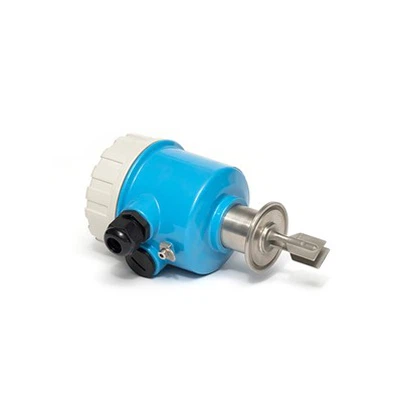

How to store a Tuning Fork Hydrometer properly?
Leave a message

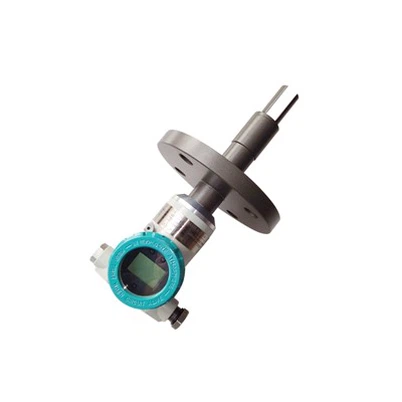
Hey there! As a supplier of Tuning Fork Hydrometers, I know how important it is to store these nifty devices properly. A Tuning Fork Hydrometer is a great tool for measuring the density, specific gravity, or concentration of liquids in various industries. Whether it's for a Slurry Hydrometer used in mining or a Specific gravity hydrometer for chemical processes, or even a Salinity hydrometer for marine applications, proper storage can significantly extend its lifespan and maintain its accuracy.
Why Proper Storage Matters
Let's first talk about why storing your Tuning Fork Hydrometer correctly is a big deal. These hydrometers are precision instruments. Any damage to the tuning forks or the internal components can lead to inaccurate readings. And in industries where precise measurements are crucial for quality control, safety, and efficiency, inaccurate readings can spell disaster.
For instance, in a chemical plant, if a Specific gravity hydrometer gives wrong readings due to improper storage, it could lead to incorrect mixing of chemicals, which might result in a failed production batch or even a safety hazard. So, taking the time to store your hydrometer properly is definitely worth it.
Before Storage: Cleaning and Inspection
Before you put your Tuning Fork Hydrometer into storage, you need to give it a good cleaning. First, turn off the power supply to the hydrometer. This is a basic safety step to avoid any electrical issues. Then, depending on the type of liquid it was measuring, use an appropriate cleaning solution.
If it was measuring a water - based solution, you can usually just rinse it with clean water. But for more stubborn residues, especially from chemical or oily substances, you might need a mild detergent. Make sure you follow the manufacturer's guidelines for cleaning solutions, though. Using the wrong one could damage the hydrometer.
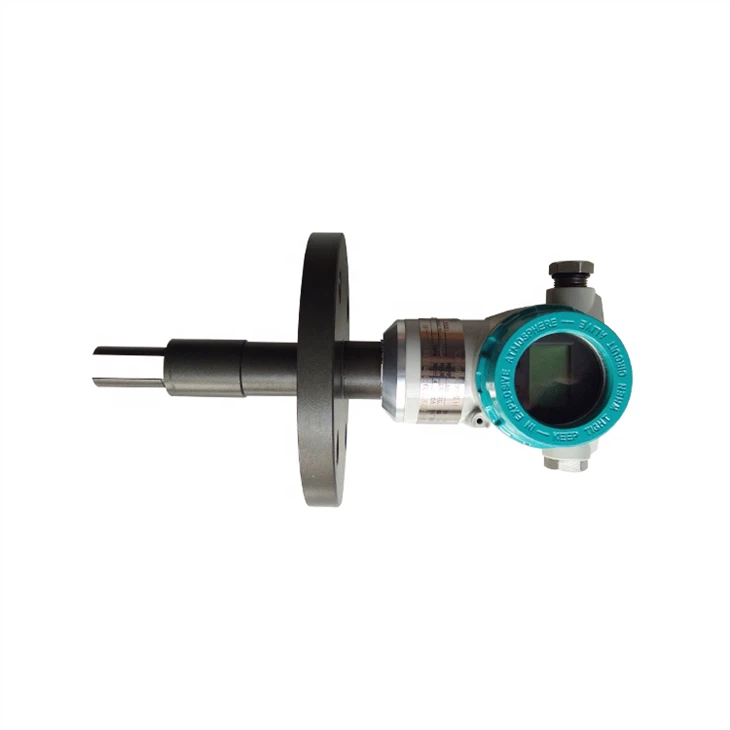
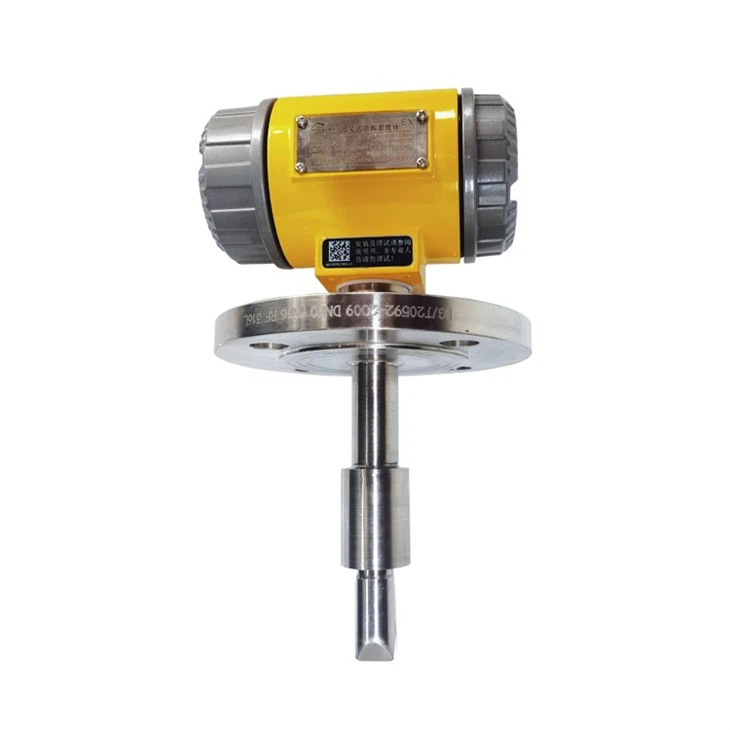
After cleaning, dry it thoroughly. You can use a soft, lint - free cloth to gently wipe the tuning forks and the body of the hydrometer. Moisture can cause corrosion over time, so it's essential to get rid of all the water.
Once the hydrometer is clean and dry, do a quick inspection. Check the tuning forks for any signs of damage, like cracks or bends. Also, look at the cables and connectors. If you notice any issues, it's best to get them fixed before storage.
Ideal Storage Conditions
Now, let's get into the ideal storage conditions for your Tuning Fork Hydrometer.
Temperature
Temperature plays a crucial role in the longevity of your hydrometer. Extreme temperatures can cause the materials in the hydrometer to expand or contract, which can lead to internal damage. The ideal temperature range for storing a Tuning Fork Hydrometer is usually between 10°C and 30°C (50°F and 86°F).
If you're storing it in a place where the temperature goes outside this range, consider using a temperature - controlled storage area. This could be a simple climate - controlled cabinet or a dedicated room with heating and cooling systems.
Humidity
Humidity is another factor to watch out for. High humidity can cause moisture to build up on the hydrometer, leading to corrosion and electrical problems. Aim for a relative humidity level of around 30% - 50%.
If your storage area has high humidity, you can use a dehumidifier to bring it down. You can also place silica gel packets around the hydrometer. Silica gel is great at absorbing moisture and can help keep the immediate environment around the hydrometer dry.
Protection from Physical Damage
To protect your Tuning Fork Hydrometer from physical damage, it's a good idea to store it in its original case if you still have it. The original case is designed to fit the hydrometer snugly and usually has some padding to absorb shocks.
If you don't have the original case, you can find a suitable protective container. Make sure it's large enough to hold the hydrometer without squeezing it, but not so big that it can move around too much inside. You can add some soft padding, like foam or felt, to the container to further protect the hydrometer.
Long - Term Storage Tips
If you're planning to store your Tuning Fork Hydrometer for a long time, there are a few additional steps you can take.
Battery Removal
If your hydrometer is battery - powered, remove the batteries before storage. Batteries can leak over time, which can damage the internal components of the hydrometer. Store the batteries separately in a cool, dry place.
Regular Checks
Even when in storage, it's a good idea to check on your hydrometer regularly. Every few months, take it out of storage, inspect it for any signs of damage or corrosion, and give it a quick wipe down if necessary. This can help you catch any potential problems early and prevent them from getting worse.
Documentation
Keep all the documentation related to the hydrometer with it during storage. This includes the user manual, calibration certificates, and any maintenance records. Having this information readily available will make it easier to get the hydrometer up and running again when you need it.
Recalibration After Storage
Once you take your Tuning Fork Hydrometer out of storage and before you start using it again, it's important to recalibrate it. Storage conditions, even if you've followed all the proper steps, can still have a minor impact on the accuracy of the hydrometer.
Follow the manufacturer's instructions for recalibration. This usually involves comparing the readings of the hydrometer with a known reference liquid. By recalibrating, you can ensure that the hydrometer is giving accurate measurements right from the start.
Conclusion
Properly storing your Tuning Fork Hydrometer is essential for maintaining its accuracy and extending its lifespan. By following the steps I've outlined here, including cleaning, providing the right storage conditions, taking long - term storage precautions, and recalibrating after storage, you can keep your hydrometer in top condition.
If you're in the market for a high - quality Tuning Fork Hydrometer or need more advice on storage and maintenance, don't hesitate to reach out to us. We're here to help you get the most out of your equipment.
References
- Manufacturer's user manuals for Tuning Fork Hydrometers
- Industry best practices for instrument storage and maintenance
- Technical literature on the effects of temperature and humidity on precision instruments