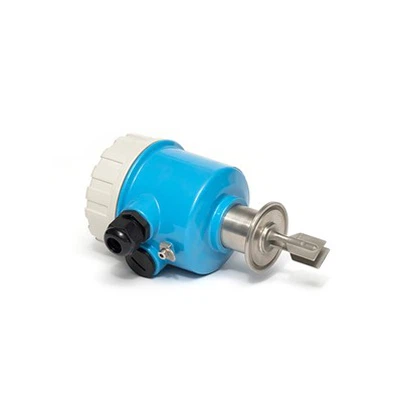

What types of liquids can RF Admittance Level Gauge measure?
Leave a message

Hey there! As a supplier of RF Admittance Level Gauges, I'm super stoked to chat with you about the types of liquids these nifty devices can measure. RF Admittance Level Gauges are pretty versatile and can handle a wide range of liquids in various industrial settings.
1. Water and Water - based Solutions
Let's start with the most common one: water. Whether it's in a municipal water treatment plant, a cooling tower in a power plant, or a simple water storage tank at home, RF Admittance Level Gauges can accurately measure the water level. Water has a relatively high dielectric constant, which makes it easy for the gauge to detect the level change.
In addition to pure water, water - based solutions like aqueous chemical solutions are also measurable. For example, in a chemical manufacturing plant, solutions of acids or alkalis diluted in water can be monitored. The RF Admittance Level Gauge can work well as long as the solution has a stable dielectric property. This is crucial because in chemical processes, maintaining the correct level of these solutions is essential for the quality and safety of the production.
2. Oils and Petroleum - based Products
Oils are another big category that RF Admittance Level Gauges can deal with. In the oil and gas industry, these gauges are used in storage tanks to measure the level of crude oil, diesel, gasoline, and lubricating oils. Petroleum - based products have different dielectric constants compared to water, but the RF technology in the gauge can be adjusted to accurately detect the level.
For instance, in an oil refinery, large storage tanks hold different grades of refined oil. The RF Admittance Level Gauge can provide real - time level information, which helps in inventory management and preventing over - filling or under - filling of the tanks. And the gauge's ability to work in harsh environments, such as the presence of flammable vapors, makes it a reliable choice for the oil and gas sector.
3. Chemicals and Solvents
A wide variety of chemicals and solvents can be measured using RF Admittance Level Gauges. In the pharmaceutical industry, for example, solvents like ethanol, acetone, and toluene are used in the production process. These solvents need to be carefully monitored to ensure the consistency of the pharmaceutical products.
In a chemical laboratory or a large - scale chemical production facility, the gauge can measure the level of corrosive chemicals such as sulfuric acid, hydrochloric acid, and sodium hydroxide solutions. The RF Admittance Level Gauge can be equipped with special materials for the probe to resist corrosion. This way, it can work effectively in the presence of these aggressive substances.
4. Food and Beverage Liquids
The food and beverage industry also benefits from RF Admittance Level Gauges. In breweries, these gauges can measure the level of beer in fermentation tanks and storage vessels. They can also be used in dairy plants to monitor the level of milk, yogurt, and other dairy products.
The advantage of using RF Admittance Level Gauges in the food and beverage industry is that they can be designed to meet strict hygiene standards. The probes can be made of food - grade materials, and they can operate without coming into direct contact with the liquid in some cases, which helps to prevent contamination.
5. Slurries and Suspensions
Slurries, which are mixtures of solids and liquids, can also be measured. In the mining industry, for example, ore slurries are transported and stored in large tanks. The RF Admittance Level Gauge can detect the level of these slurries, even though they have a complex composition.
Similarly, in wastewater treatment plants, sludge slurries need to be monitored. The gauge can handle the presence of solid particles in the liquid and provide accurate level readings. This is important for the proper operation of the treatment processes and the management of the sludge.


Why Choose Our RF Admittance Level Gauges
Now that you know the wide range of liquids our RF Admittance Level Gauges can measure, let me tell you why our products stand out. Our gauges are designed with the latest RF technology, which ensures high accuracy and reliability. They are also easy to install and maintain, saving you both time and money.
We offer different models of RF Admittance Level Gauges to suit various applications. Whether you need a gauge for a small - scale laboratory setup or a large - scale industrial plant, we've got you covered. And if you're looking for other related products, we have a great selection too. You can check out our RF level switch, Capacitive liquid level sensor for continuous measurement of liquid level, Industrial Capacitive anti - corrosion liquid level transmitter, Capacitive water level sensor, and Capacitive liquid level sensor for liquid level monitoring.
Let's Talk Business
If you're in the market for an RF Admittance Level Gauge or any of the related products I mentioned, I'd love to have a chat with you. Whether you have specific questions about the types of liquids the gauge can measure or need help in choosing the right model for your application, don't hesitate to reach out. Our team of experts is ready to assist you in making the best purchasing decision for your business.
References
- "Industrial Level Measurement Technology" - A comprehensive guide on level measurement techniques in industrial applications.
- "Chemical and Process Engineering", various issues highlighting the importance of accurate level measurement in chemical processes.
- "Food and Beverage Manufacturing Handbook", which includes information on the use of level gauges in the food and beverage industry.