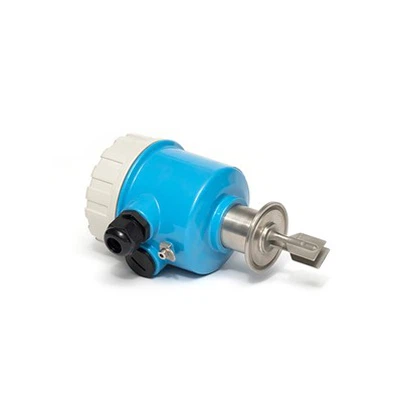

What are the requirements for capacitive level sensors in textile applications?
Leave a message

In the dynamic landscape of textile manufacturing, the role of capacitive level sensors has become increasingly pivotal. As a leading supplier of capacitive level sensors, I have witnessed firsthand the transformative impact these sensors have on textile applications. This blog post delves into the specific requirements for capacitive level sensors in textile applications, exploring the unique challenges and considerations that manufacturers must address to ensure optimal performance.
Understanding Capacitive Level Sensors
Capacitive level sensors operate on the principle of measuring changes in capacitance to determine the level of a substance within a container. These sensors consist of a probe or electrode that is placed in the medium being measured. As the level of the substance changes, the capacitance between the probe and the container wall or a reference electrode also changes. This change in capacitance is then converted into an electrical signal that can be used to indicate the level of the substance.
Capacitive level sensors offer several advantages over other types of level sensors, including high sensitivity, non-contact measurement, and the ability to measure a wide range of substances, including liquids, solids, and granular materials. These sensors are also relatively easy to install and maintain, making them a popular choice for many industrial applications, including textile manufacturing.


Requirements for Capacitive Level Sensors in Textile Applications
Chemical Resistance
Textile manufacturing involves the use of a variety of chemicals, including dyes, pigments, solvents, and finishing agents. These chemicals can be highly corrosive and can damage the probe or other components of a capacitive level sensor if they are not properly protected. Therefore, it is essential that capacitive level sensors used in textile applications are made from materials that are resistant to chemical attack.
For example, sensors with probes made from stainless steel or other corrosion-resistant materials are often used in textile applications. Additionally, some sensors may be coated with a protective layer to further enhance their chemical resistance. When selecting a capacitive level sensor for a textile application, it is important to consider the specific chemicals that will be present in the environment and choose a sensor that is compatible with those chemicals.
Temperature and Humidity Resistance
Textile manufacturing processes often involve high temperatures and humidity levels. These conditions can affect the performance of capacitive level sensors, causing them to malfunction or provide inaccurate readings. Therefore, it is important that capacitive level sensors used in textile applications are designed to withstand these harsh environmental conditions.
Sensors with probes that are made from materials with high thermal conductivity can help to dissipate heat and prevent overheating. Additionally, sensors may be equipped with temperature compensation features to ensure accurate readings even in fluctuating temperature conditions. In high humidity environments, sensors may need to be sealed to prevent moisture from entering the sensor and causing damage.
Accuracy and Repeatability
Accurate level measurement is crucial in textile manufacturing to ensure consistent product quality and efficient production processes. Capacitive level sensors must be able to provide accurate and repeatable measurements over a wide range of levels and conditions.
To achieve high accuracy and repeatability, capacitive level sensors should be calibrated regularly and should have a high resolution. Additionally, sensors should be designed to minimize the effects of external factors, such as vibration, electrical interference, and changes in the dielectric constant of the medium being measured.
Compatibility with Textile Materials
Capacitive level sensors must be compatible with the textile materials being measured. Some textile materials, such as synthetic fibers, may have a low dielectric constant, which can make them difficult to detect using traditional capacitive level sensors. In these cases, sensors with specialized probes or algorithms may be required to ensure accurate measurement.
Additionally, sensors should be designed to avoid damage to the textile materials. For example, sensors with non-invasive probes or that use non-contact measurement techniques can help to prevent damage to delicate textile fabrics.
Ease of Installation and Maintenance
In textile manufacturing, time is of the essence, and any downtime can result in significant losses. Therefore, capacitive level sensors should be easy to install and maintain to minimize disruption to the production process.
Sensors with a simple design and easy-to-connect wiring can be quickly installed without the need for specialized tools or expertise. Additionally, sensors should be designed for easy maintenance, with accessible components that can be easily replaced or serviced.
Applications of Capacitive Level Sensors in Textile Manufacturing
Dyeing and Printing Processes
In dyeing and printing processes, capacitive level sensors are used to monitor the level of dyes, pigments, and other chemicals in tanks and vessels. Accurate level measurement is essential to ensure consistent color and quality of the textile products. Sensors can be used to control the flow of chemicals into the dyeing or printing machines, preventing overfilling or underfilling of the tanks.
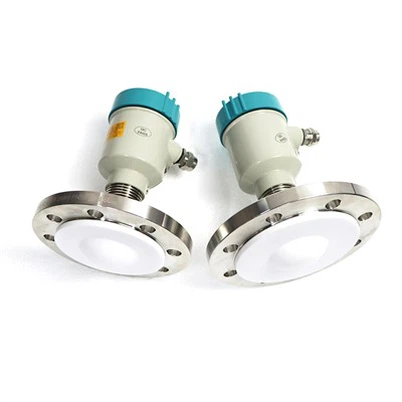
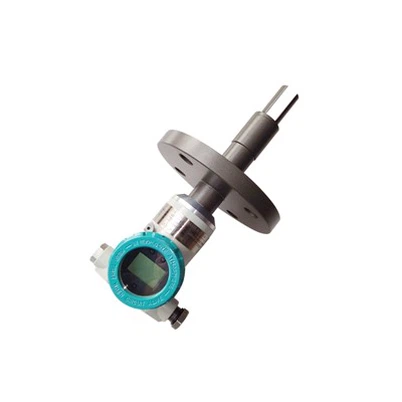
For example, Capacitive liquid level sensor for continuous measurement of liquid level can be used to continuously monitor the level of dye in a dyeing tank, providing real-time feedback to the control system. This helps to ensure that the correct amount of dye is used, reducing waste and improving the efficiency of the dyeing process.
Wastewater Treatment
Textile manufacturing generates a significant amount of wastewater, which must be treated before it can be discharged into the environment. Capacitive level sensors are used in wastewater treatment plants to monitor the level of wastewater in tanks and clarifiers.
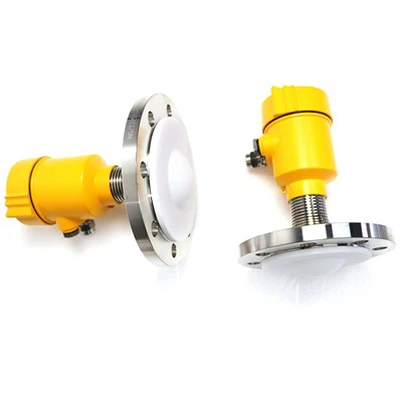
Accurate level measurement is important to ensure proper operation of the wastewater treatment equipment. For example, sensors can be used to control the flow of wastewater into the treatment tanks, preventing overflow and ensuring that the treatment process is carried out effectively. Rf admittance type level switch can be used to detect the level of wastewater in a tank and send a signal to the control system when the level reaches a certain point.
Raw Material Storage
Capacitive level sensors are also used to monitor the level of raw materials, such as fibers, yarns, and chemicals, in storage silos and hoppers. Accurate level measurement helps to ensure that there is an adequate supply of raw materials available for production and can prevent shortages or overstocking.
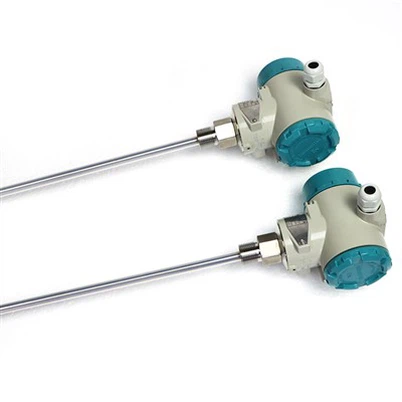
For example, Bulk solid continuous level measurement in hopper using capacitive level transmitter can be used to continuously monitor the level of fibers in a hopper, providing real-time information to the inventory management system. This helps to optimize the inventory levels and reduce the cost of raw material storage.
Conclusion
Capacitive level sensors play a crucial role in textile manufacturing, providing accurate and reliable level measurement in a variety of applications. To ensure optimal performance in textile applications, capacitive level sensors must meet specific requirements, including chemical resistance, temperature and humidity resistance, accuracy and repeatability, compatibility with textile materials, and ease of installation and maintenance.
As a supplier of capacitive level sensors, we understand the unique challenges and requirements of the textile industry. We offer a wide range of high-quality capacitive level sensors that are designed to meet the specific needs of textile manufacturers. Our sensors are made from high-quality materials, are resistant to chemical attack and environmental conditions, and provide accurate and reliable level measurement.
If you are a textile manufacturer looking for a reliable capacitive level sensor solution, we invite you to contact us to discuss your specific requirements. Our team of experts will work with you to select the right sensor for your application and provide you with the support and service you need to ensure the success of your project.
References
- Brown, R. A. (2008). Process Instrumentation and Control Handbook. Butterworth-Heinemann.
- Doebelin, E. O. (2004). Measurement Systems: Application and Design. McGraw-Hill.
- Liptak, B. G. (2005). Instrument Engineers' Handbook, Volume 2: Process Control and Optimization. CRC Press.