

AIPUXin: Your Professional Radar Level Meter Supplier!
Shandong AIPUXin Automation Instrument Co., Ltd. specializes in the development, design, and production of intelligent automation sensors. As market demands change, our company has developed RF capacitive liquid level switches, magnetostrictive liquid level transmitters, RF capacitive liquid level transmitters, microwave material level switches, radar liquid level transmitters, tuning fork density meter series products, etc. We have been working hard to create first-class products and become a first-class enterprise.
Our Advantages
Professional Production Equipment
Our modern factory is equipped with advanced CNC lathes, Mounters, oscilloscopes, sandblasting machines, argon arc welding machines, Ammeter, computer wire stripping machines, high-temperature test boxes, etc.
Continuous Product Innovation
Our company continues to innovate products, has more than 200 products, and has obtained more than 80 patents. CE certification, ISO9001, SIL certificates, etc., which enhance the credibility of our products and improve their competitiveness.
Strict Quality Inspection
Our R&D, design, and production strictly comply with international standards, and each process has strict operating procedures. More than 30 sets of testing and processing equipment help ensure product quality.
24-Hour Service System
The professional service team can quickly solve the problems users encounter and also provide customers with lifelong technical services. Video tracking services and emails make it easy for us to communicate with our customers on the fly.


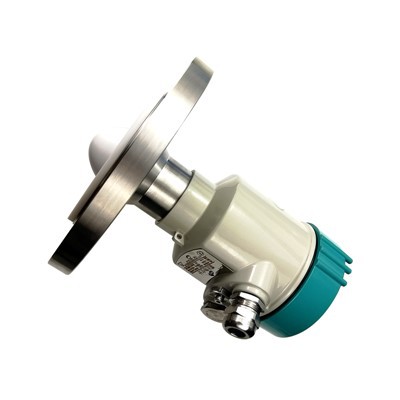


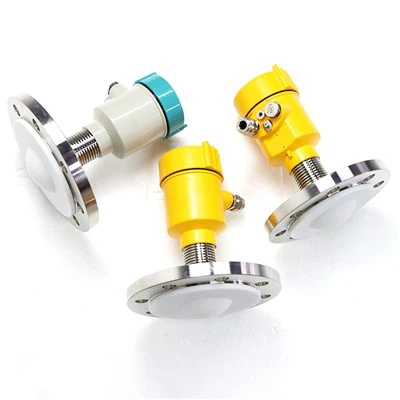
Radar level meter, as a kind of high-precision and high-reliability liquid level measuring instrument, is widely used in various industrial fields. In order to ensure the normal operation and measurement accuracy of radar level meter, it is crucial to check the radar level meter signal regularly.
Types of Radar Level Sensors
Guided Wave Radar (GWR) Level Sensors
Guided Wave Radar level sensors utilize a probe, also known as a waveguide, that is immersed in the process material. The electromagnetic waves emitted by the sensor travel along the probe and are reflected by the material surface back to the sensor. GWR sensors are suitable for a wide range of applications, including those with high temperatures, pressures, and varying material characteristics. These sensors can measure both liquid and solid levels with high accuracy and reliability.
Non-Contact Radar (NCR) Level Sensors
Non-Contact Radar level sensors, also known as free-space radar sensors, do not require a waveguide or direct contact with the material being measured. The electromagnetic waves are emitted directly towards the material surface and are reflected back to the sensor. NCR sensors are ideal for applications where contact with the process material is not desired or possible, such as corrosive, toxic, or volatile substances. They can also handle a wide range of process conditions, including turbulence, foam, and vapors.
Advantages of Radar Level Meter
Measurement Without Contact
Radar level transmitters' capacity for non-contact level measurements is one of their main features. This implies that they can measure a substance's level in a tank or other container accurately without having to contact it. With the help of electromagnetic waves, radar level transmitters can measure materials' levels without ever touching them. As a result, there is no chance of contamination and the material being monitored does not harm the sensors.
Wide Range of Measurements
Radar level transmitters are able to detect items at levels between a few millimeters and several meters. These can be used to gauge river depth, the volume of stuff in silos, and the level of liquids in tanks. Radar level transmitters have a variety of operating frequencies that enable them to adapt to various materials and conditions. Higher frequencies are often used to measure liquids, while lower frequencies are typically used to measure solids.
Simple Installation
Radar level transmitters are simple to install and do not need any upkeep. They are excellent for a variety of applications because they do not require frequent calibration. They can be put on top of tanks or other vessels. Customers can get technical support from radar level transmitter suppliers, such as installation help, calibration support, and troubleshooting help.
Versatility
Several industries, including oil and gas, chemical, food and beverage, and wastewater treatment, can benefit from the usage of radar level transmitters. They are able to gauge the concentration of a variety of substances, including solids, liquids, and slurries. Radar Level Transmitters Employ Electromagnetic waves to infer a substance's level without ever touching it. This qualifies them for usage in situations where coming into contact with the substance might result in contamination or corrosion.
Real-Time Observation
Radar level transmitters can deliver level data in real-time, enabling operators to keep an eye on operations and make wise decisions. This can increase productivity, cut waste, and stop accidents. Real-time monitoring of liquid and solid levels in various industrial processes is frequently done with radar level transmitters. These devices operate by emitting electromagnetic waves. These are then reflected off the surface of the object being measured and picked up by the transmitter.
Application of Radar Level Meter
Oil and Gas Industry
In the oil and gas industry, radar level sensors are used for level measurements in storage tanks, separators, and other process vessels. They provide accurate and reliable measurements in challenging conditions, such as high temperatures, pressures, and the presence of corrosive and volatile substances.


Water and Wastewater Management
These sensors are widely used for level measurement in water treatment plants, sewage treatment facilities, and pumping stations. They provide accurate level measurements in various conditions, such as turbulent water surfaces, foam, and vapor, ensuring efficient water management.
Chemical Industry
Radar level sensors are extensively used in the chemical industry to measure levels of various chemicals in storage tanks, reactors, and other process equipment. Their non-contact nature and ability to handle corrosive materials make them ideal for this industry.

Food and Beverage Industry
Radar level sensors are employed in the food and beverage industry for level measurement of various liquids, such as milk, juice, and beer. Their non-contact nature ensures hygienic measurements and reduces the risk of contamination.
Power Generation
In the power generation sector, these sensors are used for level measurement in boilers, steam drums, and feedwater tanks. They provide accurate measurements in high-temperature and high-pressure environments, ensuring safe and efficient operation of power plants.


Mining and Bulk Solids Handling
Radar level sensors are also used for level measurement of bulk solids, such as coal, cement, and grains, in silos, hoppers, and other storage vessels. Their ability to perform in dusty environments and provide accurate measurements of uneven surfaces makes them ideal for this application.
Working Principle of Radar Level Meter
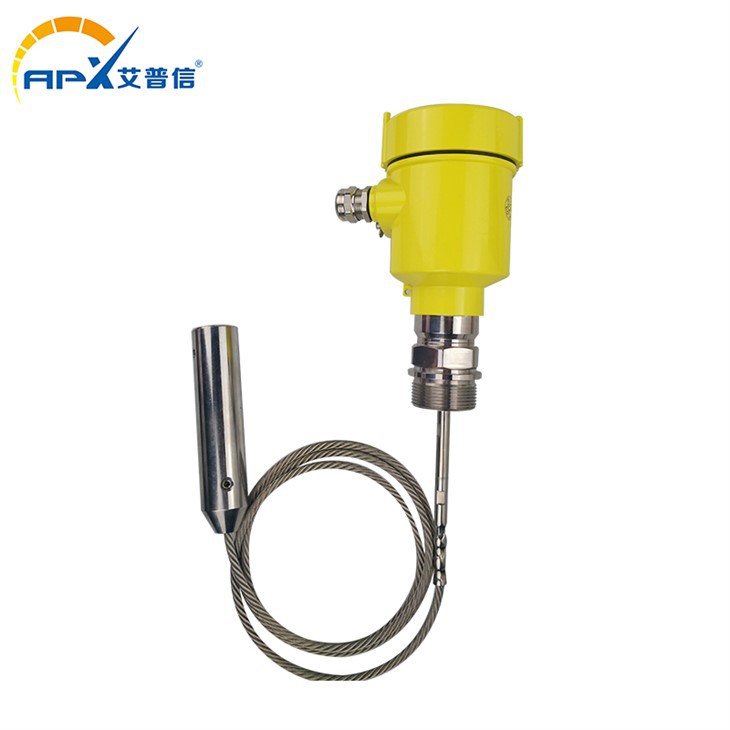
The measuring principle of radar level gauge is based on the principle of time travel, and it works in the way of transmitting, reflecting, and receiving. The transmitting device sends out a high-frequency pulse and propagates along the detection component (steel cable or steel bar). When the pulse encounters the material surface, it is reflected back and received by the receiver in the instrument. The distance is calculated according to the proportional relationship between the distance and the pulse time, and the distance signal is converted into a material level signal through electronic components.
● The transmitter sends out a high-frequency pulse and propagates along the detection component (steel cable or steel bar). The reflected pulse signal is transmitted to the instrument's electronic circuit along the cable. The microprocessor processes the signal to identify the echo generated by the microwave pulse on the material surface. The correct echo signal recognition is completed by intelligent software. The distance D from the material surface is proportional to the time travel T of the pulse.
● Set by inputting empty tank height E (zero point), full tank height F (full range), and some application parameters, which will automatically adapt the instrument to the measurement environment. The microprocessor inside the radar level meter converts the material level into 4~20mA electrical signal output. The product adopts a unique collimator (universal joint) design, which can adjust the launch angle of the antenna according to the field working conditions, so as to effectively improve the reliability of the tilt solid material measurement.
Given an accurate measurement range, working beyond the range makes the radar level sensor not only unable to obtain accurate measurement data but may also cause damage to the radar level gauge. The measurement range should be calculated from the bottom of the tank where the light wave touches. If the tank is special and the bottom is concave, at this time the level is lower than the calculation point and measurement cannot be performed.
If the medium has a low dielectric constant, the bottom of the tank is visible when it is at a low liquid level. At this time, in order to ensure measurement accuracy, it is recommended to move the zero position up appropriately.
When measuring low dielectric constant medium, if its level is lower than the measured value of the liquid level, and the bottom of the tank is visible, if you want to make the measurement more accurate, you can adjust the zero point upward to be higher than the bottom of the tank. position. Although the measurement range value can reach the top of the antenna tip, this is only in an ideal state. In reality, the effect of adhesion needs to be considered, so the measurement value should be fixed at least 100mm from the top of the antenna as far as possible.
If the measured medium is in constant motion, in order to ensure the accuracy of the measurement, it is recommended to install a bypass pipe on-site and fix it at the middle of the bottom of the storage tank. During the welding process, the smoothness of the inner wall of the bypass pipe needs to be ensured. , In order to prevent the irregularities from obstructing the radar level measurements.
The radar level measurements vary with the concentration. The foam can not only absorb microwaves but also reflect them; if there is foam in the tank, determine the thickness of the foam.
Radar Level Meter Troubleshooting Methods

Check Whether the Power Supply is Normal
If the production site finds that the radar level gauge changes very slowly after the liquid level rises to a certain value, you should immediately check whether the power supply of the radar level gauge is normal, and the relevant staff should also check the radar level gauge in detail during daily maintenance. The power-on condition, whether there is normal output after power-on. If the liquid level changes slowly or does not change at all, it is necessary to check whether the fuse of the equipment is burned out at the first time. If there is no current output, it can basically be judged that there is a problem with the instrument, and it should be replaced or repaired according to the situation. In addition, management should be strengthened in the process of instrument installation and commissioning to prevent inaccurate instrument parameter settings from affecting production. Relevant staff also need to strengthen daily maintenance work, and conduct regular outages for maintenance, so as to ensure the normal operation of the radar level gauge.
Check Whether the Communication Equipment is Normal
Once it is found that the communication equipment is abnormal, you can install the radar debugging software, read the configuration data of the radar, and monitor the status of the radar sensor. Mainly check that the radar sensor can accurately judge the difference between the reflected echo and the false echo, and whether the intensity of the reflected wave reaches the predetermined standard. If there is no problem with the above test, you need to check other electronic components. If the communication unit is damaged, it is necessary to replace the components according to the situation, so as to ensure the normal communication of the radar level gauge. Relevant staff should also strengthen the inspection of the communication of the radar level gauge in the daily maintenance work. They can use the radar debugging software to access the signal line, and use the regulator to maintain the communication equipment of the radar level gauge.
Use Temperature
In order to make the radar level gauge measure normally, it should be ensured that the internal temperature of the radar level gauge is lower than 50°C. Generally speaking, radar level gauges are used to measure high temperature media. Therefore, the shell of the radar level gauge is made of materials with strong heat resistance, so under normal circumstances, the interior of the radar level gauge will not exceed 50 °C. If the internal electronic components exceed this value, ice must not be used. Water is used for cooling and cooling, and ice water will not only not play a role in cooling and cooling, but even paralyze the radar level gauge. A small amount of wind can be blown into the radar head with a copper pipe to scientifically reduce the internal temperature of the radar level gauge.
The Displayed Value is Inaccurate
The inaccurate display value is a common problem of radar level gauges. The cause of the inaccurate display value may be that the contrast ratio of the initial setting is not appropriate, or the plug-in connection of the display module is incorrect. The relevant staff should try to avoid this problem. Once it is found that the displayed value is not visible, you should check the initial setting of the radar level gauge and check whether the connection of the display module plug-in is normal. If these two items are normal, you need to check whether the output current of the radar level gauge is normal. Normal, if the output current is greater than 22mA, it can be judged that the display module of the radar level gauge is faulty and needs to be replaced in time. If the output current is less than 3.5mA, it can be judged that the electronic module of the radar level gauge is faulty, and the electronic module of the radar level gauge needs to be replaced in time.
The System Displays an Error Message
The system of the radar level gauge often displays error messages. Generally, the cause of this failure is that the power supply is cut off before the end of data storage, and it needs to be calibrated, reset and re-calibrated. If the alarm still sounds after the calibration is reset and re-calibrated, the electronic module of the radar level gauge needs to be replaced.
Antenna Contamination and Crystallization
When dealing with the failure of the lightly polluted oil tank, the possibility of antenna contamination and crystallization should be considered first. The solution is to wear suitable protective equipment after the power is off, remove the radar and put it down tilted, and wipe off the dirt or crystals with a rag. Do not bend or damage the antenna, handle it with care, and avoid scratching with iron to avoid damaging the antenna skin.
Factors to Consider Before Choosing a Radar Level Meter
Determine the Measurement Range
When selecting a radar level meter, the first step is to determine the measuring range. According to the height of the container and the material characteristics, select the appropriate measurement range to cover the required measurement points. At the same time, we should consider the influence of the installation position and the shape of the vessel to ensure that the radar wave can propagate unimpeded and measure the material level accurately.
Antenna Types
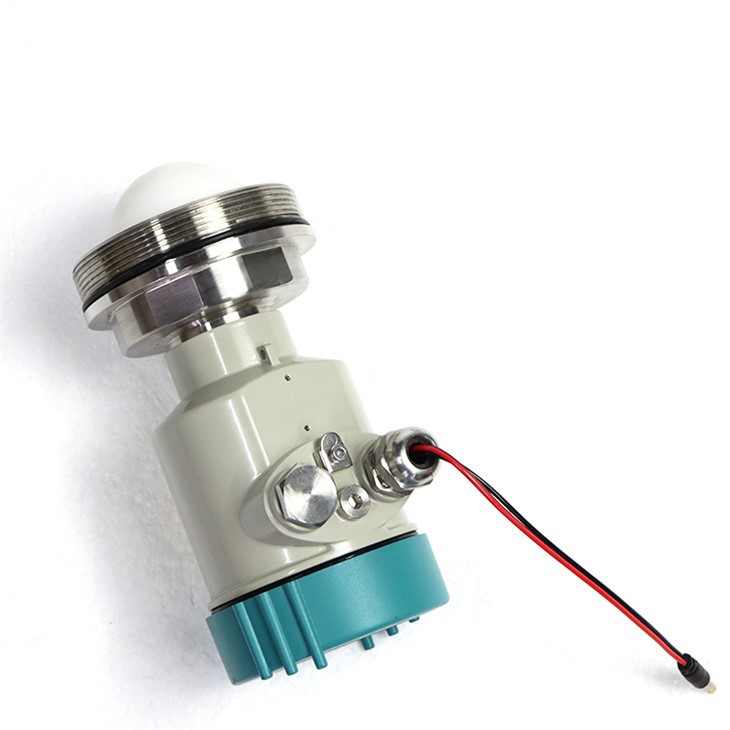
The antenna types of radar level meters are rod, parabolic, flare, etc. Different antenna types are suitable for different measurement needs. Rod antenna is suitable for occasions when measuring distance is relatively close, the parabolic antenna is suitable for measuring distance is relatively far and the material surface is rough, and the trumpet antenna is suitable for measuring distance is medium and the blind zone needs to be reduced. Choosing the right type of antenna according to the actual needs can improve the measurement accuracy and reliability.
Determine the Installation Conditions
Installation conditions have a great influence on the accuracy and reliability of the radar level meter. When selecting the type, the type of container, opening size, installation location, bracket height, and other factors should be considered. For containers with agitation, vibration, or steam, a radar level meter with anti-vibration, anti-steam, and dust-proof design should be selected. For small opening size or restricted installation positions, small size or split radar level meter should be selected.
Understand the Material Characteristics
Different materials have different degrees of absorption and scattering of radar waves. Therefore, understanding of the material dielectric constant, conductivity, density, viscosity, corrosiveness, and other characteristics of the material is crucial to selecting a suitable radar level meter. For materials with strong absorption or scattering characteristics, a radar level meter with high transmit power and receiving sensitivity should be selected.
Our Certificate
3A certification, CE certification, ISO9001, SIL certificate, explosion-proof certificate, etc. prove our company's professional strength and the high quality of our products.


Our Factory
Our company was established on July 9, 2012, located at No. 106-108, Building 4, 11th Street, Block B, Haode Trade City (Anju), with an existing plant area of 3000 square meters. Professional production equipment and employees continuously promote product innovation and optimization.

Ultimate FAQ Guide to Radar Level Meter
Shandong Aipuxin Automation Instrument Co., Ltd. is one of the most professional radar level meter manufacturers and suppliers in China, specialized in providing high quality customized service. We warmly welcome you to wholesale cheap radar level meter in stock here from our factory. For price consultation, contact us.
radar level measurement instrument for food processing plants, radar level transmitter for chemical plants, radar level meter for bulk solids storage