


AIPUXin: Your Professional Magnetostrictive Level Gauge Supplier!
Shandong AIPUXin Automation Instrument Co., Ltd. specializes in the development, design, and production of intelligent automation sensors. As market demands change, our company has developed RF capacitive liquid level switches, magnetostrictive liquid level transmitters, RF capacitive liquid level transmitters, microwave material level switches, radar liquid level transmitters, tuning fork density meter series products, etc. We have been working hard to create first-class products and become a first-class enterprise.
Our Advantages
Professional Production Equipment
Our modern factory is equipped with advanced CNC lathes, Mounters, oscilloscopes, sandblasting machines, argon arc welding machines, Ammeter, computer wire stripping machines, high-temperature test boxes, etc.
Continuous Product Innovation
Our company continues to innovate products, has more than 200 products, and has obtained more than 80 patents. CE certification, ISO9001, SIL certificates, etc., which enhance the credibility of our products and improve their competitiveness.
Strict Quality Inspection
Our R&D, design, and production strictly comply with international standards, and each process has strict operating procedures. More than 30 sets of testing and processing equipment help ensure product quality.
24-Hour Service System
The professional service team can quickly solve the problems users encounter and also provide customers with lifelong technical services. Video tracking services and emails make it easy for us to communicate with our customers on the fly.


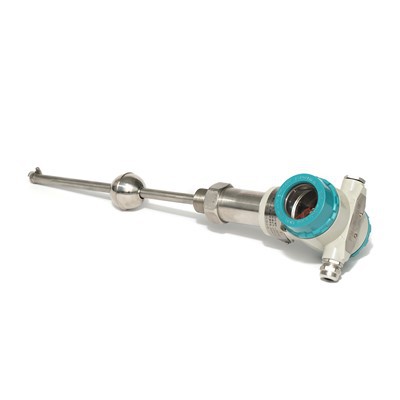


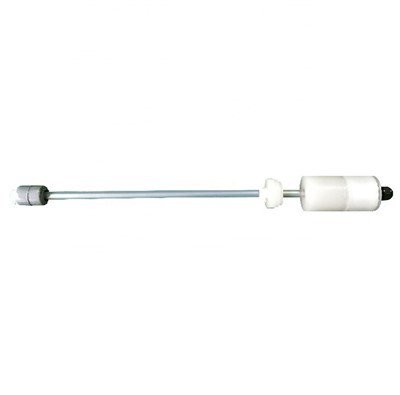
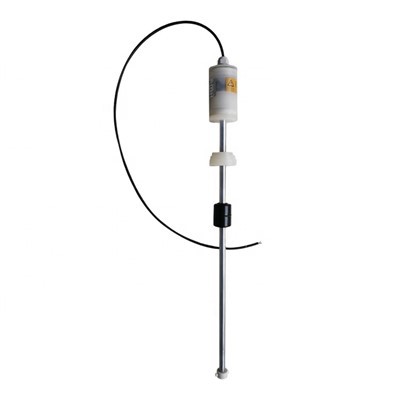


A magnetic level gauge is a type of level sensor, i.e., a device used to measure the level of fluids. A magnetic level gauge includes a “floatable” device that can float both in high and low density fluids. Magnetic level gauges may also be designed to accommodate severe environmental conditions up to 210 bars at 370 °C.
Advantages of Magnetostrictive Level Gauge
High Accuracy and Precision
One of the major advantages of magnetic level gauges is their exceptional accuracy and precision. Compared to other level measurement methods, such as sight glasses or ultrasonic sensors, magnetic gauges offer superior reliability in providing accurate level readings. The magnetic coupling eliminates any potential mechanical issues, ensuring that the level indicator moves seamlessly with the float. This high level of accuracy is vital for industries that require precise control over the liquid levels, such as chemical plants or refineries.
Durability and Resistance
In harsh industrial environments, durability is a key consideration for any equipment. Magnetic level gauges are designed to withstand extreme conditions, including high temperatures, corrosive substances, and high-pressure systems. The absence of direct contact with the process fluid helps protect the gauge from corrosion, making it a suitable choice for industries dealing with aggressive media. Additionally, the robust construction of magnetic gauges, often using materials like stainless steel, ensures their long-term reliability and resistance to physical damage.
Enhanced Safety Features
Safety is paramount in industrial settings, particularly when it comes to measuring and controlling hazardous substances. Magnetic level gauges offer several safety features that mitigate potential risks. Firstly, the sealed design eliminates leakage points, preventing the process fluid from escaping into the surroundings. Moreover, the transparent tube housing the indicator provides a secondary level of containment, enabling operators to quickly detect any leakage or fluid overflow. This added visual inspection capability enhances safety protocols and helps prevent accidents or environmental hazards.
Easy Installation and Maintenance
Installing and maintaining magnetic level gauges is relatively straightforward, making them a cost-effective choice for many industrial applications. The gauges can be easily mounted on existing vessels or tanks, requiring minimal modifications to the infrastructure. Additionally, with no moving parts inside the tank, the risk of mechanical failure is significantly reduced, leading to lower maintenance costs. Routine maintenance usually involves periodic cleaning of the glass or transparent tube to ensure clear visibility of the level indicator.
Compatibility with Various Process Conditions
Another advantage of magnetic level gauges is their compatibility with a wide range of process conditions. They can handle high or low operating temperatures, pressures, and aggressive media, allowing them to be used in diverse industrial settings. Moreover, magnetic gauges can be tailored to specific requirements with various materials of construction, coatings, and connections. This versatility ensures that magnetic level gauges can adapt to different industries and processes, providing reliable level measurement solutions in various applications.
Application of Magnetostrictive Level Gauge
Oil and Gas Industry
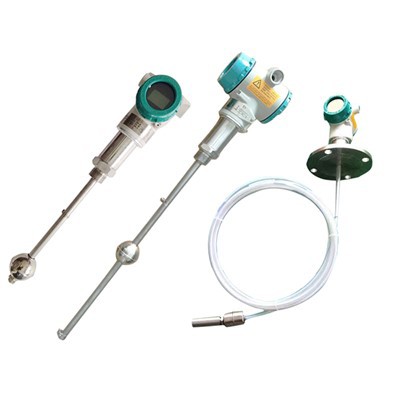
Magnetostrictive level gauges are extensively used in the oil and gas industry for measuring the level of crude oil, refined petroleum products, liquefied natural gas (LNG), and other hydrocarbons in storage tanks, pipelines, and process vessels. They provide precise and continuous level monitoring in both upstream and downstream operations.
Chemical Processing
In chemical processing plants, magnetostrictive level gauges are employed to measure the level of various corrosive liquids, solvents, acids, and other chemicals. They are suitable for a wide range of applications, such as storage tanks, reaction vessels, blending tanks, and distillation columns.
Water and Wastewater Treatment
Magnetostrictive level gauges find application in water and wastewater treatment facilities for monitoring the level of liquids, including raw water, treated water, wastewater, sludge, and chemicals. They are used in storage tanks, clarifiers, settling basins, and other treatment process vessels.

Food and Beverage Industry
In the food and beverage industry, magnetostrictive level gauges are utilized for measuring the level of liquids, such as milk, juices, beer, wine, and other ingredients. They ensure accurate inventory management, process control, and compliance with sanitation standards.
Pharmaceuticals
Magnetostrictive level gauges are employed in pharmaceutical manufacturing facilities to measure the level of liquids and chemicals used in drug formulation, storage, and processing. They assist in maintaining batch consistency, inventory management, and regulatory compliance.


Pulp and Paper Industry
In the pulp and paper industry, magnetostrictive level gauges are used to measure the level of liquids, such as chemicals, pulp stock, and wastewater, in various process vessels, storage tanks, and paper machines. They aid in process optimization, inventory control, and environmental compliance.
Working Principle of Magnetostrictive Level Gauge
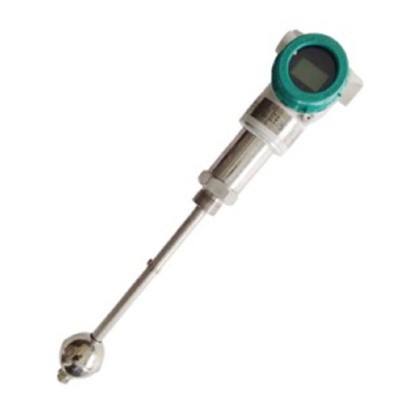
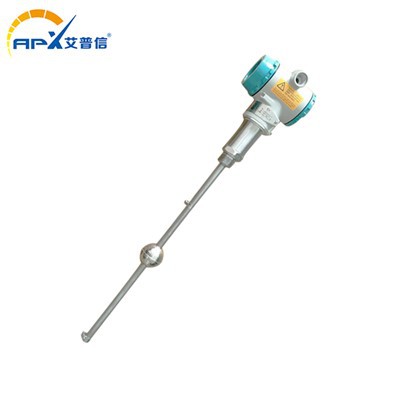
The primary components of a Magnetostrictive Level Sensor include a magnetic float, a waveguide, a position magnet, and an electronics assembly. This sensor operates based on the generation of a torsional stress wave in a specially designed magnetostrictive waveguide.
Waveguide
It is a thin wire usually made of a ferromagnetic alloy. It runs the entire length of the probe.
Magnetic Float
It moves up and down with the level of the liquid. The float contains a ring magnet which creates a magnetic field around it.
Position Magnet
It is usually fixed to the object whose position needs to be measured. It creates a magnetic field when it comes into contact with the waveguide.
Electronics Assembly
It sends an electrical pulse down the waveguide, which in turn interacts with the magnetic field from the float to generate a torsional stress wave.
The time taken by the torsional wave to return to the electronics assembly is directly proportional to the position of the float along the waveguide. This time delay is then translated into a level measurement.
Components of Magnetostrictive Level Gauge
Transmitter
The transmitter is the primary component of the magnetostrictive level gauge. It contains the sensing element and electronics necessary for level measurement. The transmitter generates and sends a measurement signal down the sensing element.
Sensing Element
The sensing element is a rigid, non-magnetic tube made of a magnetostrictive material, typically a ferromagnetic alloy. It serves as the waveguide for the measurement signal generated by the transmitter.
Float
The float is a buoyant device that moves up and down along the sensing element based on the liquid level. It contains a magnet that interacts with the measurement signal sent by the transmitter.
Waveguide Wire
Inside the sensing element, there is a waveguide wire that runs parallel to its length. The waveguide wire is made of a magnetostrictive material, such as nickel-iron alloy. It is the key element that interacts with the measurement signal and generates a return signal.
Electronics
The electronics section of the magnetostrictive level gauge includes circuitry for signal generation, transmission, reception, and processing. It comprises a pulse generator, timing circuit, receiver, and signal processing unit. The electronics interpret the return signal from the sensing element to determine the liquid level.
Enclosure
The magnetostrictive level gauge is housed in an enclosure that protects the sensitive components from environmental factors such as moisture, dust, and temperature extremes. The enclosure is typically made of a durable and corrosion-resistant material.
Factors to Consider Before Choosing a Magnetostrictive Level Gauge
Measuring Range
Perhaps the most fundamental criteria, measuring range means the maximum and minimum range that the level gauge can display without errors. Also known as column height, a consumer should take this into account along with any possible fluctuations in the fluid level.
System Specifications
When it comes to system specifications, there are a variety of parameters that need to be taken into account.
● Maximum operating pressure: It is the maximum pressure that the device can withstand, specified by the manufacturer.
● Material temperature range: It is the maximum temperature the device can function in, specified by the manufacturer.
● Maximum liquid specific gravity: Liquid specific gravity can be defined as the ratio of the density of the material being stored to the density of water at a specified temperature. The maximum liquid-specific gravity will also be defined by the manufacturer for a particular device.
● Maximum material density: It can be defined as the maximum material density that the device can sustain, specified by the manufacturer.
Medium
Finally, what kind of medium the level gauge will be measuring is also important for appropriate device selection. There are basically 3 types of medium that can be stored and measured.
● Liquid Medium: Includes fluids such as water, gasoline, hydraulic fluid or highly viscous fluids.
● Gaseous Medium: Includes steam, LPG, natural gas and other similar media.
● Solid Medium: These generally comprise dry materials like powders and bulk solids like chemicals, minerals, sugar, starch, and more.
Our Certificate
3A certification, CE certification, ISO9001, SIL certificate, explosion-proof certificate, etc. prove our company's professional strength and the high quality of our products.


Our Factory
Our company was established on July 9, 2012, located at No. 106-108, Building 4, 11th Street, Block B, Haode Trade City (Anju), with an existing plant area of 3000 square meters. Professional production equipment and employees continuously promote product innovation and optimization.

Ultimate FAQ Guide to Magnetostrictive Level Gauge
Shandong Aipuxin Automation Instrument Co., Ltd. is one of the most professional magnetostrictive level gauge manufacturers and suppliers in China, specialized in providing high quality customized service. We warmly welcome you to wholesale cheap magnetostrictive level gauge in stock here from our factory. For price consultation, contact us.
Tank Level Monitoring Transmitter, Magnetostrictive Water Level Gauge, Water Tank Level Gauge