

AIPUXin: Your Professional Tuning Fork Hydrometer Supplier!
Shandong AIPUXin Automation Instrument Co., Ltd. specializes in the development, design, and production of intelligent automation sensors. As market demands change, our company has developed RF capacitive liquid level switches, magnetostrictive liquid level transmitters, RF capacitive liquid level transmitters, microwave material level switches, radar liquid level transmitters, tuning fork density meter series products, etc. We have been working hard to create first-class products and become a first-class enterprise.
Our Advantages
Professional Production Equipment
Our modern factory is equipped with advanced CNC lathes, Mounters, oscilloscopes, sandblasting machines, argon arc welding machines, Ammeter, computer wire stripping machines, high-temperature test boxes, etc.
Continuous Product Innovation
Our company continues to innovate products, has more than 200 products, and has obtained more than 80 patents. CE certification, ISO9001, SIL certificates, etc., which enhance the credibility of our products and improve their competitiveness.
Strict Quality Inspection
Our R&D, design, and production strictly comply with international standards, and each process has strict operating procedures. More than 30 sets of testing and processing equipment help ensure product quality.
24-Hour Service System
The professional service team can quickly solve the problems users encounter and also provide customers with lifelong technical services. Video tracking services and emails make it easy for us to communicate with our customers on the fly.


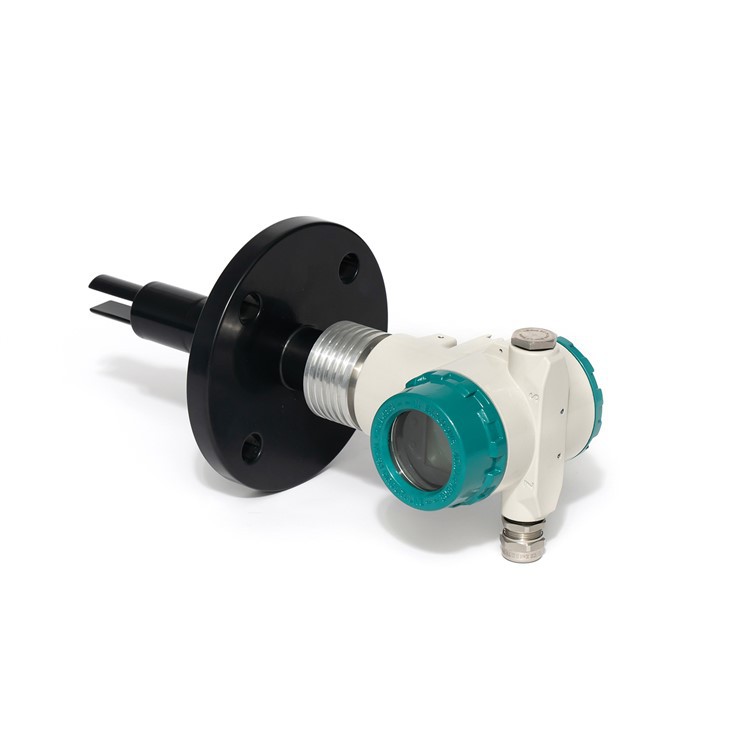
A tuning fork hydrometer, also known as a vibrating fork hydrometer, is a type of instrument used to measure the density or specific gravity of a liquid. It operates based on the principle of a tuning fork vibrating at a specific frequency, which changes as it is immersed in a liquid with varying density.
Types of Hydrometer
Lactometer
A lactometer (or galactometer) is a hydrometer used to test milk. The specific gravity of milk does not give a conclusive indication of its composition since milk contains a variety of substances that are either heavier or lighter than water. Additional tests for fat content are necessary to determine overall composition. The instrument is graduated into a hundred parts. Milk is poured in and allowed to stand until the cream has formed, then the depth of the cream deposit in degrees determines the quality of the milk.
Alcoholometer
An alcoholometer is a hydrometer that is used for determining the alcoholic strength of liquids. It only measures the density of the fluid. Certain assumptions are made to estimate the amount of alcohol present in the fluid. Alcoholometers have scales marked with volume percents of “potential alcohol”, based on a pre-calculated specific gravity. A higher “potential alcohol” reading on this scale is caused by a greater specific gravity, assumed to be caused by the introduction of dissolved sugars. A reading is taken before and after fermentation and approximate alcohol content is determined by subtracting the post fermentation reading from the pre-fermentation reading.
Saccharometer
A saccharometer is a hydrometer used for determining the amount of sugar in a solution. It is used primarily by winemakers and brewers, and it can also be used in making sorbets and ice-creams. It consists of a large weighted glass bulb with a thin stem rising from the top with calibrated markings. The sugar level can be determined by reading the value where the surface of the liquid crosses the scale. It works by the principle of buoyancy. A solution with a higher sugar content is denser, causing the bulb to float higher. Less sugar results in a lower density and a lower floating bulb.
Thermohydrometer
A thermohydrometer is a hydrometer that has a thermometer enclosed in the float section. For measuring the density of petroleum products, like fuel oils, the specimen is usually heated in a temperature jacket with a thermometer placed behind it since density is dependent on temperature. Light oils are placed in cooling jackets, typically at 15 °C. Very light oils with many volatile components are measured in a variable volume container using a floating piston sampling device to minimize light end losses.
Advantages of Tuning Fork Hydrometer
Fast and Real-time Measurements
Tuning fork hydrometers provide quick and real-time measurements of liquid density or specific gravity. The vibrating tuning fork responds almost instantaneously to changes in the liquid, allowing for rapid and on-the-spot readings.
High Accuracy and Precision
Tuning fork hydrometers are known for their high accuracy and precision in density measurements. With advanced electronic circuitry and signal processing, they can deliver reliable and repeatable results, ensuring consistent and accurate density readings.
Non-Intrusive and Non-Destructive
Tuning fork hydrometers operate without the need for direct contact with the liquid being measured. This non-intrusive nature minimizes the risk of sample contamination or alteration, making them suitable for applications where maintaining the integrity of the liquid is crucial.
Wide Measurement Range
Tuning fork hydrometers can cover a wide range of densities, making them versatile instruments suitable for various liquids and applications. They can measure both low and high densities, accommodating a broad spectrum of liquids with different viscosities and compositions.
Suitable for Harsh Environments
Tuning fork hydrometers are designed to withstand harsh operating conditions. They are resistant to temperature variations, pressure changes, and contamination, making them suitable for use in challenging industrial environments.
Digital Readout and Integration
Many tuning fork hydrometers feature digital displays or interfaces, allowing for easy and precise reading of density measurements. They can also be integrated into automated systems or process control networks, providing continuous monitoring and control of liquid density.
Application of Tuning Fork Hydrometer



Brewing and Distilling
Hydrometers are used in the brewing and distilling industry to measure the sugar content and alcohol level of wort or mash, which helps to determine the quality of the final product.
Food and Beverage
In the food and beverage industry, hydrometers are used to measure the sugar content, acidity, and alcohol level of various products, including wine, beer, and fruit juices.
Automotive
In the automotive industry, hydrometers are used to measure the concentration of antifreeze in the coolant of cars and trucks. This helps to ensure that the engine is protected from freezing and overheating.
Battery
Hydrometers are commonly used to test the state of charge and health of lead-acid batteries. By measuring the specific gravity of the electrolyte, battery technicians can determine if the battery needs to be charged, maintained, or replaced.
Petroleum
Hydrometers are used in the petroleum industry to measure the density of crude oil and petroleum products. This information is crucial for determining the quality and value of the product.
Chemical
Hydrometers are used in the chemical industry to measure the density and concentration of various chemicals, including acids, alkalis, and solvents.
Agriculture
Hydrometers are used in agriculture to measure the specific gravity of soil and water, which helps farmers to determine the optimal conditions for crop growth.
Lockout/Tagout
Hydrometers are important tools in lockout tagout (LOTO) procedures as they measure the density or specific gravity of hazardous liquids. They help workers accurately determine the concentration of hazardous substances, ensuring that lockout tagout procedures are carried out safely and effectively.
Working Principle of Tuning Fork Hydrometer
Hydrometers work based on the Principle of Buoyancy, which states that an object immersed in a fluid experiences an upward force equal to the weight of the displaced fluid. A hydrometer typically consists of a glass tube with a large weighted glass bulb on the bottom and a scale to read the measurement. When a hydrometer is placed in a liquid, it displaces a certain volume of the liquid and experiences an upward force equal to the weight of the displaced liquid. The reading on the scale indicates the density or specific gravity of the liquid. Density is the mass per unit volume of a substance, while specific gravity is defined as the relative density, which is the ratio of the density of a substance to the density of a reference substance, usually water. A liquid with a higher density or specific gravity will cause hydrometers to sink deeper and give a higher specific gravity reading on the scale.
Using Tips for Tuning Fork Hydrometer
Wait for the hydrometer to stabilize, usually a few seconds. Read the specific gravity value at the surface of the liquid, where the meniscus (the curved surface of the liquid) intersects with the hydrometer scale.
If the hydrometer has a temperature scale, check the temperature of the liquid and adjust the reading accordingly using the temperature correction chart that usually comes with the hydrometer.
Gently lower the hydrometer into the liquid and release it. Avoid any sudden movements or splashing that could affect the readings.
Ensure that the hydrometer is clean and free of debris or contaminants that could affect its accuracy.
Fill a sample jar or container with the liquid you want to measure, making sure it's deep enough to accommodate the entire hydrometer.
Rinse the hydrometer with distilled water after use and store it in a safe place.
Factors to Consider Before Choosing a Tuning Fork Hydrometer
Measurement Range
Determine the range of densities or specific gravity values you need to measure. Select a tuning fork hydrometer that can cover the entire range of densities relevant to your application.
Accuracy and Precision
Assess the required level of measurement accuracy and precision for your application. Consider the tolerance or resolution of the hydrometer and ensure it meets your desired level of accuracy.
Liquid Compatibility
Consider the type of liquids you will be measuring. Some tuning fork hydrometers are designed for specific liquids or liquid categories, such as aqueous solutions, petroleum products, or chemicals. Choose a hydrometer suitable for the specific liquids you will be working with.
Environmental Conditions
Assess the environmental conditions in which the hydrometer will be used. Factors such as humidity, dust, and corrosive atmospheres can impact the performance and durability of the instrument. Choose a hydrometer that is designed to withstand the specific environmental conditions of your application.
Temperature and Pressure Considerations
Evaluate the temperature and pressure conditions in your application. Ensure that the selected hydrometer can operate reliably within the temperature and pressure range of your process.
Display and Interface
Consider the readability and user interface of the hydrometer. Look for models with clear digital displays or user-friendly interfaces that allow for easy reading and operation. Some hydrometers may also offer additional features such as data logging or connectivity options.
Our Certificate
3A certification, CE certification, ISO9001, SIL certificate, explosion-proof certificate, etc. prove our company's professional strength and the high quality of our products.


Our Factory
Our company was established on July 9, 2012, located at No. 106-108, Building 4, 11th Street, Block B, Haode Trade City (Anju), with an existing plant area of 3000 square meters. Professional production equipment and employees continuously promote product innovation and optimization.

Ultimate FAQ Guide to Tuning Fork Hydrometer
Shandong Aipuxin Automation Instrument Co., Ltd. is one of the most professional tuning fork hydrometer manufacturers and suppliers in China, specialized in providing high quality customized service. We warmly welcome you to wholesale cheap tuning fork hydrometer in stock here from our factory. For price consultation, contact us.
Milk Hydrometer