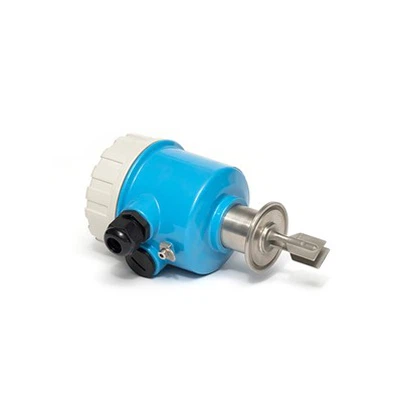

What is the working principle of a Small Tuning Fork Sensor?
Leave a message

What is the working principle of a Small Tuning Fork Sensor?
As a trusted supplier of small tuning fork sensors, I am often asked about the working principle behind these remarkable devices. In this blog post, I will delve into the science and technology that enable small tuning fork sensors to function effectively in various applications.
The Basics of a Small Tuning Fork Sensor
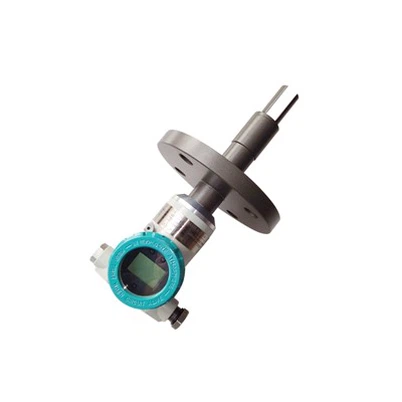
A small tuning fork sensor, also known as a tuning fork level switch, is a device used to detect the presence or absence of a liquid or solid material at a specific point. It consists of a small tuning fork made of a piezoelectric material, which is a material that generates an electric charge when subjected to mechanical stress. The tuning fork is typically housed in a stainless steel shell with a threaded connection for easy installation.
Working Principle
The working principle of a small tuning fork sensor is based on the resonance frequency of the tuning fork. When the tuning fork is in air, it vibrates at its natural resonance frequency. However, when the tuning fork comes into contact with a liquid or solid material, the mass and damping properties of the material change the resonance frequency of the tuning fork.
The sensor uses an electronic circuit to detect the change in resonance frequency. When the resonance frequency changes, the electronic circuit sends a signal to an output device, such as a relay or a PLC, indicating the presence or absence of the material.
Piezoelectric Effect
The piezoelectric effect plays a crucial role in the operation of a small tuning fork sensor. The piezoelectric material in the tuning fork generates an electric charge when it is deformed by the vibration of the fork. This electric charge is then used by the electronic circuit to detect the resonance frequency of the tuning fork.
Conversely, when an electric current is applied to the piezoelectric material, it causes the material to deform and vibrate. This is how the tuning fork is excited into vibration in the first place.
Advantages of Small Tuning Fork Sensors
Small tuning fork sensors offer several advantages over other types of level sensors. Some of these advantages include:
- High Sensitivity: Small tuning fork sensors are highly sensitive and can detect even small changes in the presence of a material.
- Reliability: They are reliable and can operate in harsh environments, including high temperatures, pressures, and corrosive substances.
- Easy Installation: These sensors are easy to install and require minimal maintenance.
- Versatility: Small tuning fork sensors can be used to detect a wide range of materials, including liquids, solids, and granular materials.
Applications of Small Tuning Fork Sensors
Small tuning fork sensors are used in a variety of industries and applications, including:
- Chemical Industry: To detect the level of liquids in chemical tanks and reactors.
- Food and Beverage Industry: For level detection in food and beverage processing equipment.
- Pharmaceutical Industry: In the production of pharmaceuticals to monitor the level of liquids and powders.
- Water and Wastewater Treatment: To detect the level of water in tanks and basins.
Our Product Offerings
As a leading supplier of small tuning fork sensors, we offer a range of high-quality products to meet the diverse needs of our customers. Our products include:


- Stainless steel shell G1/2 "threaded small tuning fork level switch: This sensor is designed for easy installation and is suitable for a variety of applications.
- Stainless steel level switch: Ideal for use in harsh environments, this switch is made of durable stainless steel.
- Contact level switch: This switch uses a contact mechanism to detect the level of a material and is suitable for industrial applications.
Conclusion
In conclusion, the working principle of a small tuning fork sensor is based on the resonance frequency of the tuning fork and the piezoelectric effect. These sensors are highly sensitive, reliable, and easy to install, making them ideal for a wide range of applications. As a supplier of small tuning fork sensors, we are committed to providing high-quality products and excellent customer service. If you are interested in purchasing our small tuning fork sensors or have any questions about our products, please feel free to contact us for a procurement discussion.
References
- Crane, R. A. (1988). Piezoelectricity: A Comprehensive Treatise. American Institute of Physics.
- Thomson, W. (1881). Treatise on Natural Philosophy. Cambridge University Press.