
How to adjust the parameters of Mine Radar Level Meter?
Leave a message

Adjusting the parameters of a Mine Radar Level Meter is a crucial process that can significantly impact its performance and accuracy in real - world applications. As a trusted Mine Radar Level Meter supplier, we are well - versed in the intricacies of these devices and understand the importance of proper parameter adjustment.

Understanding the Basics of Mine Radar Level Meters
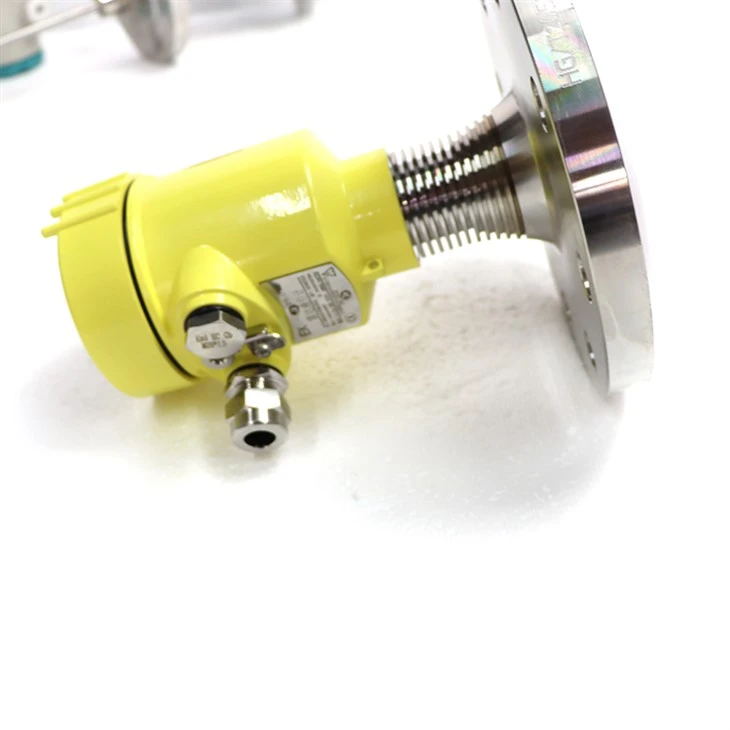
Before delving into the parameter adjustment process, it is essential to understand the fundamental principles of Mine Radar Level Meters. These devices utilize radar technology to measure the level of substances in a mine environment. They send out electromagnetic waves that bounce off the surface of the material being measured and return to the sensor. By measuring the time it takes for the waves to return, the meter can calculate the distance to the material surface and, consequently, the level of the substance.
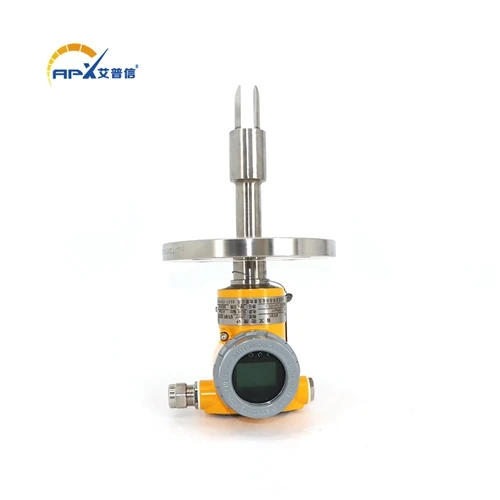
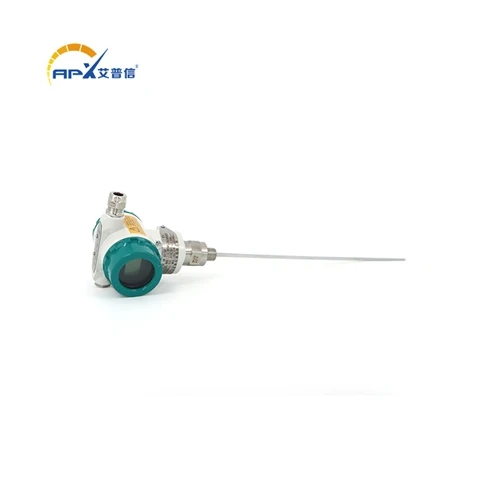
There are different types of Mine Radar Level Meters available, such as the Radar type level indicator, Guided wave radar sensor, and Non - contact radar level sensor. Each type has its own unique features and applications, and the parameter adjustment will vary accordingly.
Key Parameters to Adjust
1. Frequency
The frequency of the radar waves is a critical parameter. Higher frequencies generally offer better resolution but may have a shorter range. In a mine environment, where the distance to the material surface can vary significantly, choosing the right frequency is vital. For example, in a large - scale open - pit mine with long - distance level measurement requirements, a lower - frequency radar may be more suitable. On the other hand, in a confined underground chamber where high - precision measurement is needed, a higher - frequency radar can provide more accurate results.
To adjust the frequency, you need to access the meter's configuration menu. Most modern Mine Radar Level Meters come with user - friendly interfaces that allow you to select the appropriate frequency setting. You may need to refer to the product manual for the specific steps to change the frequency, as different models may have slightly different procedures.
2. Measuring Range
Defining the correct measuring range is essential to ensure accurate level measurement. If the range is set too low, the meter may not be able to measure the full extent of the material level. Conversely, if the range is set too high, the measurement accuracy may be compromised.
To determine the measuring range, you need to consider the maximum and minimum levels of the material in the mine. Measure the physical distance from the installation point of the radar meter to the lowest and highest points of the material surface. Once you have these values, you can enter the appropriate range settings in the meter's configuration. This process usually involves entering the minimum and maximum distances in the menu options provided.
3. Signal Strength and Threshold
The signal strength of the radar waves is affected by various factors in the mine environment, such as dust, moisture, and the dielectric constant of the material being measured. A strong signal is necessary to ensure reliable measurement, but if the signal is too strong, it can cause interference.
The signal threshold is a setting that determines the minimum signal strength required for the meter to register a valid measurement. Adjusting the signal strength and threshold can help optimize the measurement in challenging mine conditions. You can adjust these parameters in the meter's signal processing settings. Usually, you will need to increase the signal strength in dusty or high - moisture environments and adjust the threshold to filter out any false signals.
4. Antenna Angle
The antenna angle of the Mine Radar Level Meter affects the direction and coverage of the radar waves. Incorrect antenna angle can lead to inaccurate measurements, especially in situations where the material surface is uneven or there are obstacles in the measurement path.
To adjust the antenna angle, you first need to assess the layout of the mine and the position of the material being measured. The antenna should be pointed towards the center of the material surface for the most accurate measurement. Most meters allow for physical adjustment of the antenna angle. You can use a spirit level and angle gauges to ensure the antenna is set at the correct angle.
Step - by - Step Parameter Adjustment Process
Step 1: Preparation
Before starting the adjustment process, make sure you have the necessary tools, such as a screwdriver (if required for opening the meter casing), a spirit level, and angle gauges. Also, gather all the information about the mine environment, including the type of material, its dielectric constant, and the physical dimensions of the storage area.
Step 2: Initial Setup
Power on the Mine Radar Level Meter and allow it to initialize. Access the configuration menu, which is usually done by pressing specific buttons on the meter or using a computer interface if the meter is connected.
Step 3: Frequency Selection
Refer to the information about the mine setup and the measurement requirements. Select the appropriate frequency based on the distance to the material surface and the need for resolution. Enter the selected frequency in the menu.
Step 4: Measuring Range Definition
Measure the minimum and maximum distances to the material surface. Enter these values in the measuring range settings of the meter. Double - check the values to ensure accuracy.
Step 5: Signal Strength and Threshold Adjustment
Start with the default settings for signal strength and threshold. Observe the measurement readings in the actual mine environment. If the readings are unstable or there are a lot of false signals, adjust the signal strength and threshold accordingly. You may need to make several adjustments and test the measurements each time to find the optimal settings.
Step 6: Antenna Angle Adjustment
Using the spirit level and angle gauges, adjust the antenna angle to point towards the center of the material surface. Make sure the antenna is firmly secured at the adjusted angle.
Step 7: Testing and Validation
After completing all the parameter adjustments, perform a series of tests to validate the accuracy of the level measurements. Take multiple readings at different times and compare them with manual measurements if possible. If there are any discrepancies, revisit the parameter settings and make further adjustments.
Troubleshooting during Parameter Adjustment
During the parameter adjustment process, you may encounter some issues. Here are some common problems and their solutions:
1. Inaccurate Measurements
If the measured level is consistently inaccurate, check the measuring range settings. Ensure that the minimum and maximum distances are correctly entered. Also, verify the antenna angle and the signal strength and threshold settings. Incorrect frequency selection can also lead to inaccurate measurements, so double - check the frequency setting as well.
2. Signal Interference
Signal interference can cause unstable or false readings. If you suspect signal interference, try adjusting the signal strength and threshold to filter out the interference. Also, check for any nearby electronic devices or metal objects that may be causing the interference. You may need to re - position the meter or add shielding to reduce the interference.
3. Display or Communication Issues
If there are problems with the meter's display or communication with a control system, check the power supply and the connections. Make sure the cables are properly connected and there are no loose connections. If the problem persists, refer to the product manual for troubleshooting steps or contact our technical support team.
Conclusion
Properly adjusting the parameters of a Mine Radar Level Meter is essential for accurate and reliable level measurement in a mine environment. As a leading supplier of Mine Radar Level Meters, we are committed to providing high - quality products and comprehensive support to our customers. Whether you are a mining company looking to improve your level measurement accuracy or a system integrator in need of reliable radar sensors, our team of experts can assist you in selecting the right product and adjusting its parameters to meet your specific requirements.
If you are interested in purchasing our Mine Radar Level Meters or need further assistance with parameter adjustment and configuration, we invite you to reach out to us for a detailed consultation. Our dedicated sales team is ready to answer all your questions and guide you through the procurement process.
References
- Technical manuals of Mine Radar Level Meters.
- Industry standards for radar level measurement in mining applications.
- Research papers on optimizing radar sensor performance in challenging environments.