
Can an 80G Radar Level Meter be used in vacuum tanks?
Leave a message

As a reputable supplier of 80G radar level meters, a frequently asked question I encounter is whether an 80G radar level meter can be used in vacuum tanks. To answer this question comprehensively, we need to delve into the operating principles of 80G radar level meters, the characteristics of vacuum tanks, and the potential challenges and solutions in such an application.
How 80G Radar Level Meters Work
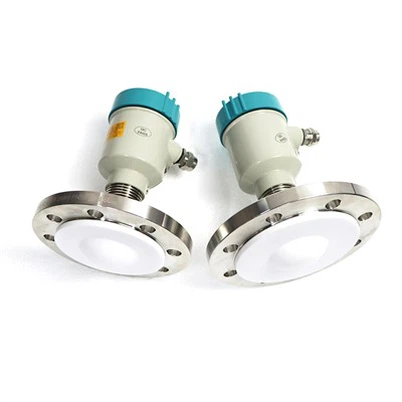
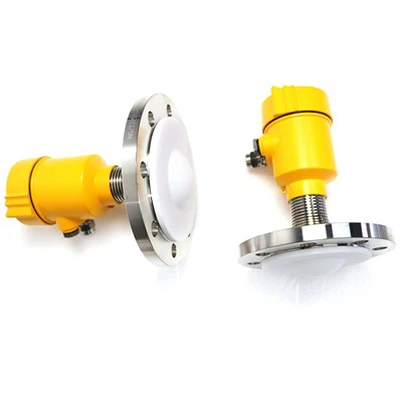
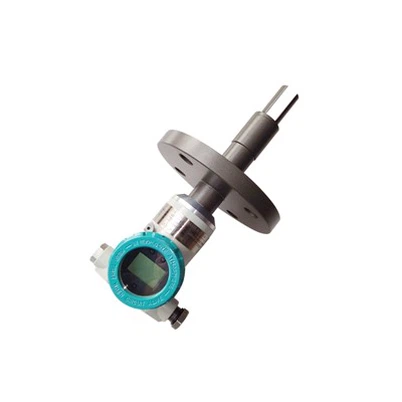
An 80G radar level meter is a state - of - the - art device designed for accurate liquid and solid level measurement. Operating at a frequency of 80GHz, it uses the Time - of - Flight (TOF) principle. The radar emits high - frequency electromagnetic waves that travel towards the surface of the substance to be measured. When these waves hit the surface, they are reflected back to the radar antenna. By precisely measuring the time it takes for the waves to travel to the surface and back, the distance between the radar and the surface can be calculated, and subsequently, the level of the substance in the tank is determined.
The high frequency of 80GHz offers several significant advantages. It provides a narrow beam angle, which minimizes interference from tank walls and internal structures. This is especially useful in tanks with complex geometries or internal fittings. Additionally, the high - frequency waves have better penetration ability, allowing for more reliable measurements, even in challenging conditions such as the presence of dust, steam, or foam.
One type of 80G radar level meter is the CWFM radar "Continuous - Wave Frequency - Modulated Radar". In CWFM radar, the frequency of the transmitted signal is continuously modulated. This modulation helps in accurately determining the range of the target by analyzing the frequency difference between the transmitted and received signals.
Characteristics of Vacuum Tanks
Vacuum tanks are used in various industries, such as chemical processing, food and beverage, and pharmaceutical manufacturing. These tanks are designed to maintain a pressure below atmospheric pressure, creating a vacuum environment. The absence of air or other gases in the tank can have a profound impact on the measurement of the level of substances inside.
One of the key aspects is the propagation of electromagnetic waves. In a normal atmosphere, the presence of air molecules has a minor effect on the speed of electromagnetic waves. However, in a vacuum, the speed of electromagnetic waves is exactly the speed of light in a vacuum, which is a well - defined constant (c = 299792458 m/s). This means that the basic principle of the TOF measurement in radar level meters remains valid in a vacuum.
Another characteristic of vacuum tanks is the potential for outgassing. When a substance is placed in a vacuum environment, volatile components may escape from the surface of the substance or the tank walls. This outgassing can create a thin layer of vapor near the surface, which might affect the radar signal. Additionally, the low - pressure environment can cause changes in the physical properties of the measured substance, such as its density and viscosity, which could potentially influence the reflection of the radar waves.
Using 80G Radar Level Meters in Vacuum Tanks
The good news is that, in most cases, an 80G radar level meter can be used effectively in vacuum tanks. Since the radar operates based on the electromagnetic wave principle, and electromagnetic waves can propagate freely in a vacuum, the fundamental measurement mechanism is not affected by the vacuum environment.
However, there are several considerations to ensure accurate and reliable measurements.
Signal Reflection
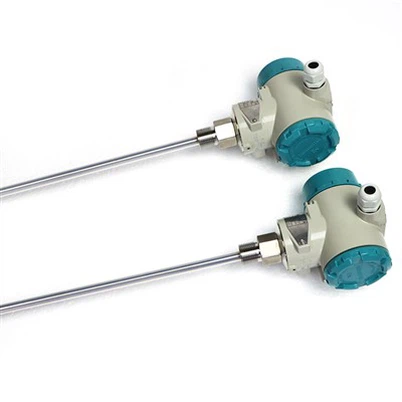
The reflection of radar waves from the surface of the substance depends on the dielectric constant of the substance. In a vacuum, the dielectric constant of the surrounding medium is 1. For most substances, the dielectric constant is greater than 1, which means that the radar waves will still be reflected when they hit the surface of the substance. But if the surface of the substance is very smooth or has a low dielectric constant, it may be more difficult for the radar to detect the reflected signal. In such cases, proper antenna selection is crucial. Some 80G radar level meters come with different types of antennas, such as horn antennas or rod antennas, which can be chosen based on the specific requirements of the application.
Outgassing
As mentioned earlier, outgassing can create a vapor layer near the surface of the substance. This vapor layer may absorb or scatter the radar waves, leading to inaccurate measurements. To mitigate this issue, it is important to ensure that the tank is properly degassed before starting the measurement. Additionally, some advanced 80G radar level meters are equipped with signal processing algorithms that can filter out the interference caused by the vapor layer.


Temperature and Pressure Changes
Vacuum tanks may undergo temperature and pressure changes during operation. These changes can affect the physical properties of the measured substance and the radar level meter itself. For example, extreme temperatures can cause thermal expansion or contraction of the tank and the radar components, which may lead to misalignment. Some 80G radar level meters are designed to withstand a wide range of temperatures and pressures. For instance, the Radar type level indicator "High - Temperature Resistant Radar Level Gauge" is specifically engineered to operate in high - temperature environments, which can be beneficial in vacuum tank applications where temperature variations are common.
Case Studies
In the chemical industry, many processes involve the use of vacuum tanks to handle volatile chemicals. A chemical plant was using an 80G radar level meter to measure the level of a liquid chemical in a vacuum tank. Initially, they faced some challenges due to outgassing, which caused fluctuations in the measurement readings. After implementing a degassing procedure and using an 80G radar level meter with advanced signal processing capabilities, they were able to achieve accurate and stable level measurements.
In the food and beverage industry, a dairy company used an 80G radar level meter to measure the level of milk in a vacuum - sealed tank. The smooth surface of the milk and the low - pressure environment posed some difficulties in signal reflection. However, by selecting a horn antenna and adjusting the radar settings, they were able to obtain reliable level measurements, which helped in optimizing their production process.
Advantages of Using 80G Radar Level Meters in Vacuum Tanks
- Accuracy: The high - frequency operation of 80G radar level meters provides high - precision measurements, even in the challenging environment of vacuum tanks.
- Non - contact measurement: Since the radar level meter does not come into direct contact with the substance in the tank, there is no risk of contamination, which is crucial in industries such as pharmaceuticals and food and beverage.
- Low maintenance: These meters have no moving parts, which reduces the need for frequent maintenance and replacement of components.
Conclusion and Call to Action
In conclusion, an 80G radar level meter can indeed be used in vacuum tanks. With proper consideration of the unique characteristics of vacuum tanks and the appropriate selection and configuration of the radar level meter, accurate and reliable level measurements can be achieved.
If you are in need of a high - quality 80G radar level meter for your vacuum tank application, we are here to help. We offer a wide range of 80G radar level meters, including the CWFM radar "Continuous - Wave Frequency - Modulated Radar" and the Radar water level sensor "Blast Furnace Material Level Radar Sensor", to meet your specific requirements. Our team of experts can provide technical support and guidance to ensure that you get the most out of our products. Contact us today to discuss your needs and start a successful partnership for your level measurement applications.
References
- "Radar Level Measurement Technology" - Industry Handbook on Process Instrumentation
- "Electromagnetic Wave Propagation in Vacuum and Gaseous Environments" - Journal of Applied Physics
- Company - internal research reports on the performance of 80G radar level meters in different environments.