
How to install a Radar Water Level Gauge on a ship?
Leave a message

As a trusted supplier of Radar Water Level Gauges, I often receive inquiries from ship owners and operators about the process of installing these essential devices on their vessels. In this blog post, I'll guide you through the step-by-step process of installing a radar water level gauge on a ship, providing you with valuable insights to ensure a successful installation and optimal performance.
Understanding the Importance of Radar Water Level Gauges
Before delving into the installation process, it's crucial to understand the significance of radar water level gauges on ships. These instruments play a vital role in monitoring the water level in various areas of the vessel, including ballast tanks, fuel tanks, and cargo holds. By accurately measuring the water level, ships can maintain stability, prevent overloading, and ensure safe navigation. With the advancements in technology, modern radar water level gauges offer high precision, reliability, and durability, making them an essential tool for ship operators.
Pre-Installation Preparations
Selecting the Right Location
The first step in installing a radar water level gauge is selecting the appropriate location on the ship. The location should provide clear access to the water surface and minimize interference from other equipment or structures. Additionally, it should be easily accessible for maintenance and calibration purposes. Common locations for radar water level gauges on ships include the deck above the tanks, near the manholes, or in the control room.
Checking Compatibility
Before purchasing a radar water level gauge, it's essential to ensure its compatibility with the ship's existing systems and equipment. Consider factors such as the tank size, shape, and material, as well as the required measurement range and accuracy. Our Radar type water level sensor is designed to be highly versatile and can be easily integrated with various types of ships and tanks.
Gathering Tools and Materials
Once you have selected the location and confirmed the compatibility, gather all the necessary tools and materials for the installation. This may include a drill, screwdriver, wrenches, mounting brackets, cables, and connectors. It's also a good idea to have a copy of the installation manual and any relevant technical specifications on hand.
Installation Process
Mounting the Radar Sensor
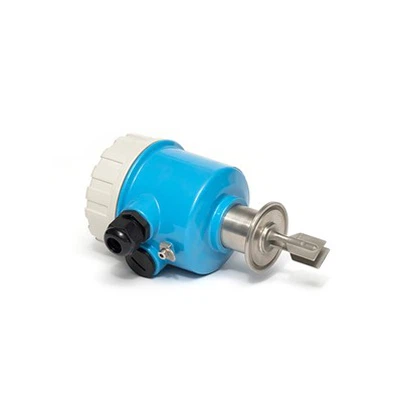
The first step in the installation process is mounting the radar sensor on the selected location. Use the mounting brackets provided with the gauge to secure the sensor firmly in place. Make sure the sensor is level and aligned with the water surface to ensure accurate measurements. If necessary, use a spirit level to check the alignment.
Connecting the Cables
After mounting the radar sensor, connect the cables to the sensor and the control unit. Follow the wiring diagram provided in the installation manual to ensure proper connections. Make sure to use the appropriate cables and connectors for the specific model of the radar water level gauge. It's also important to protect the cables from damage and ensure they are properly grounded to prevent electrical interference.
Installing the Control Unit
The next step is installing the control unit in a convenient location on the ship. The control unit is responsible for processing the signals from the radar sensor and displaying the water level readings. Mount the control unit on a stable surface using the provided mounting brackets. Connect the control unit to the power supply and the radar sensor using the appropriate cables.


Calibrating the Gauge
Once the radar water level gauge is installed and connected, it's important to calibrate the gauge to ensure accurate measurements. Calibration involves adjusting the settings of the gauge to match the characteristics of the specific tank and water conditions. Refer to the calibration instructions provided in the installation manual for detailed guidance on how to calibrate the gauge. It's recommended to perform calibration regularly to maintain the accuracy of the measurements.
Testing and Commissioning
Initial Testing
After the installation and calibration are complete, perform an initial test of the radar water level gauge to ensure it is functioning properly. Fill the tank with a known amount of water and check the readings on the control unit. Compare the readings with the actual water level to verify the accuracy of the gauge. If any discrepancies are found, adjust the calibration settings accordingly.
Continuous Monitoring
Once the initial test is successful, the radar water level gauge is ready for continuous monitoring. Monitor the water level readings regularly to ensure the safety and stability of the ship. Set up alarms or alerts on the control unit to notify the operators in case of any abnormal water level changes.
Maintenance and Troubleshooting
Regular Maintenance
To ensure the long-term performance and reliability of the radar water level gauge, it's important to perform regular maintenance. This may include cleaning the sensor, checking the cables and connectors for damage, and calibrating the gauge periodically. Follow the maintenance instructions provided in the installation manual for detailed guidance on how to maintain the gauge.
Troubleshooting
In case of any issues or problems with the radar water level gauge, refer to the troubleshooting section of the installation manual for guidance. Common issues may include inaccurate readings, signal interference, or power supply problems. If you are unable to resolve the issue on your own, contact our technical support team for assistance.
Conclusion
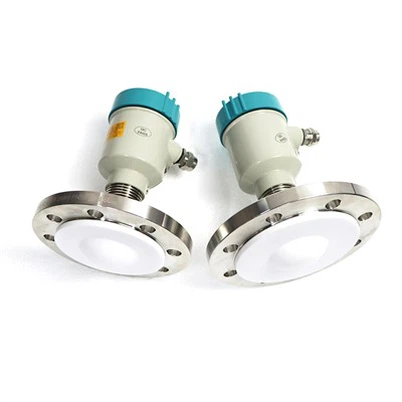
Installing a radar water level gauge on a ship is a crucial step in ensuring the safety and stability of the vessel. By following the steps outlined in this blog post, you can install the gauge correctly and ensure its optimal performance. Our DN100PN16 flange mounted radar level transmitter and Hydrology Instruments are designed to provide accurate and reliable water level measurements, making them an ideal choice for ship owners and operators.
If you have any questions or need further assistance with the installation or operation of our radar water level gauges, please don't hesitate to contact us. Our team of experts is always ready to help you find the best solution for your needs. We look forward to partnering with you to ensure the safe and efficient operation of your ships.
References
- Manufacturer's Installation Manual for Radar Water Level Gauges
- Shipbuilding Standards and Guidelines
- Technical Literature on Radar Technology and Water Level Measurement