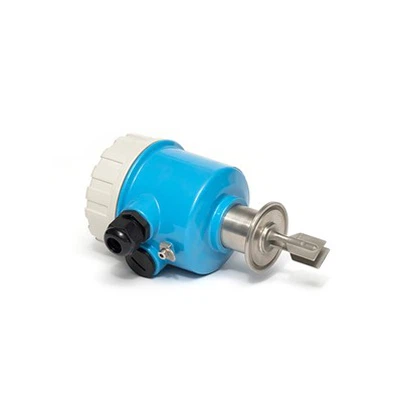

What is the measurement principle of an ultrasonic in-line density meter?
Leave a message

The measurement principle of an ultrasonic in-line density meter is a fascinating topic that combines the principles of acoustics and fluid dynamics. As a leading supplier of in-line density meters, I am excited to delve into the details of how these devices work and their significance in various industries.
Basic Concept of Ultrasonic Density Measurement
At the heart of an ultrasonic in-line density meter is the relationship between the speed of sound in a fluid and the fluid's density. Sound waves travel through different media at different speeds, and this speed is influenced by the physical properties of the medium, including its density. In a fluid, the speed of sound (c) is related to the bulk modulus (K) and the density (ρ) by the following equation:
[c = \sqrt{\frac{K}{\rho}}]
This equation shows that as the density of a fluid increases, the speed of sound in that fluid will change. By measuring the speed of sound in a fluid flowing through a pipe, an ultrasonic in-line density meter can indirectly determine the density of the fluid.
Components of an Ultrasonic In-line Density Meter
An ultrasonic in-line density meter typically consists of a sensor and an electronic unit. The sensor is installed directly in the pipeline where the fluid is flowing. It contains ultrasonic transducers, which are responsible for generating and receiving ultrasonic waves. The electronic unit processes the signals from the transducers and calculates the density of the fluid based on the measured speed of sound.
The ultrasonic transducers work in pairs. One transducer acts as a transmitter, sending out ultrasonic pulses into the fluid. The other transducer acts as a receiver, detecting the ultrasonic waves that have passed through the fluid. The time it takes for the ultrasonic waves to travel from the transmitter to the receiver is measured. This time-of-flight measurement is then used to calculate the speed of sound in the fluid.
Measurement Process
The measurement process of an ultrasonic in-line density meter can be broken down into several steps:
- Ultrasonic Wave Generation: The transmitter transducer generates ultrasonic pulses at a specific frequency. These pulses are sent into the fluid flowing through the pipe.
- Wave Propagation: The ultrasonic waves propagate through the fluid. The speed at which they travel depends on the density and other physical properties of the fluid.
- Wave Detection: The receiver transducer detects the ultrasonic waves that have passed through the fluid. It converts the mechanical vibrations of the waves into electrical signals.
- Time-of-Flight Measurement: The electronic unit measures the time it takes for the ultrasonic waves to travel from the transmitter to the receiver. This time-of-flight measurement is used to calculate the speed of sound in the fluid.
- Density Calculation: Using the known relationship between the speed of sound and density, the electronic unit calculates the density of the fluid.
Advantages of Ultrasonic In-line Density Meters
There are several advantages to using ultrasonic in-line density meters:


- Non-invasive Measurement: Ultrasonic density meters do not require direct contact with the fluid. This makes them suitable for measuring the density of corrosive, abrasive, or viscous fluids.
- High Accuracy: These meters can provide highly accurate density measurements, even in challenging environments.
- Real-time Monitoring: Ultrasonic in-line density meters can provide continuous, real-time density measurements. This allows for immediate adjustments to be made in industrial processes.
- Low Maintenance: Since there are no moving parts in the sensor, ultrasonic density meters require minimal maintenance.
Applications of Ultrasonic In-line Density Meters
Ultrasonic in-line density meters are used in a wide range of industries, including:
- Chemical Industry: In the chemical industry, these meters are used to monitor the density of chemical solutions during production processes. This helps to ensure the quality and consistency of the products.
- Food and Beverage Industry: In the food and beverage industry, ultrasonic density meters are used to measure the density of liquids such as juices, wines, and dairy products. This information is important for quality control and process optimization.
- Oil and Gas Industry: In the oil and gas industry, these meters are used to measure the density of crude oil, refined products, and natural gas. This helps in determining the quality and value of the products.
- Pharmaceutical Industry: In the pharmaceutical industry, ultrasonic density meters are used to monitor the density of pharmaceutical solutions during manufacturing. This ensures the accuracy and consistency of the medications.
Related Products
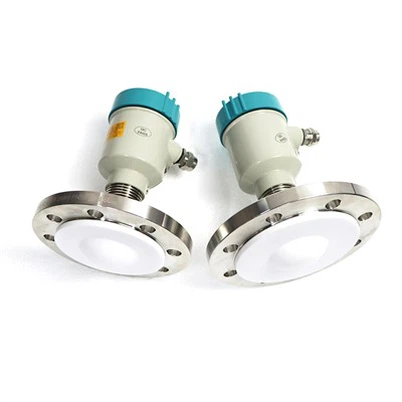
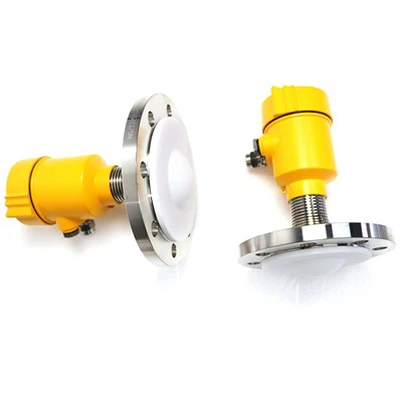
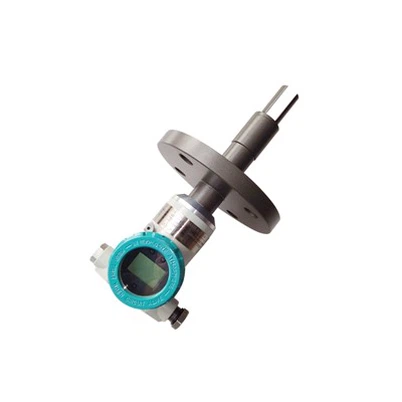
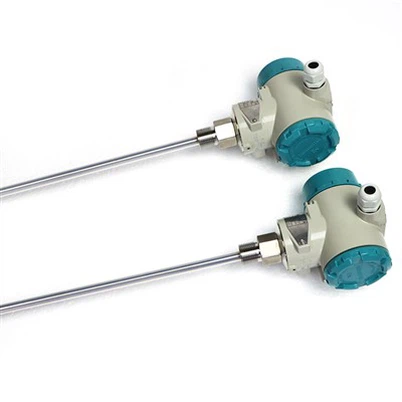
As an in-line density meter supplier, we offer a variety of related products to meet the diverse needs of our customers. For example, we have Electronic densimeter, which provides accurate density measurements using electronic sensors. Our PTFE Densimeter (Interface Meter) is specifically designed for measuring the density at the interface between two different fluids. We also have Concentration meter, which can be used to determine the concentration of a solute in a solution based on the density measurement.
Conclusion
In conclusion, the measurement principle of an ultrasonic in-line density meter is based on the relationship between the speed of sound in a fluid and the fluid's density. By measuring the time-of-flight of ultrasonic waves through the fluid, these meters can accurately determine the density of the fluid in real-time. With their non-invasive measurement, high accuracy, and low maintenance requirements, ultrasonic in-line density meters are widely used in various industries.
If you are interested in our in-line density meters or have any questions about their applications, please feel free to contact us for further discussion and procurement negotiation. We are committed to providing high-quality products and excellent customer service to meet your specific needs.
References
- "Ultrasonic Density Measurement: Principles and Applications." Ultrasonic Sensors Handbook.
- "Theoretical and Experimental Analysis of Ultrasonic Density Meters." Journal of Acoustical Society of America.
- "Advances in In-line Density Measurement Technologies." Chemical Engineering Progress.