
How to calibrate a Tuning Fork Hydrometer?
Leave a message

Hey there! As a supplier of Tuning Fork Hydrometers, I'm stoked to share with you how to calibrate these nifty devices. Tuning fork hydrometers are super useful for measuring the density of liquids, and getting them calibrated right is crucial for accurate readings.
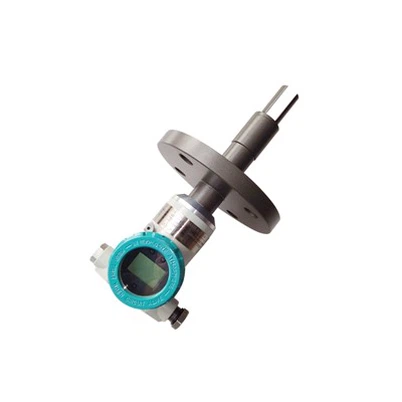
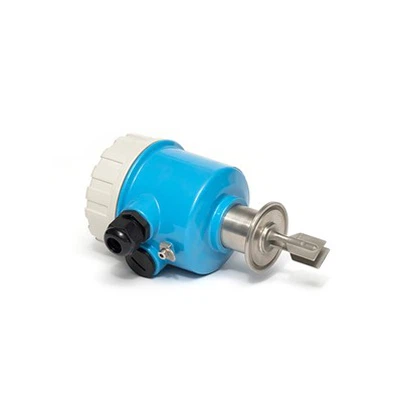
First off, let's talk a bit about what a Tuning Fork Hydrometer is. It's a type of Hydrometer that uses the principle of resonance. When the tuning fork is immersed in a liquid, the density of the liquid affects the resonant frequency of the fork. By measuring this change in frequency, we can determine the density of the liquid.
So, why is calibration so important? Well, over time, factors like wear and tear, temperature changes, and even the type of liquid being measured can affect the accuracy of the hydrometer. Calibration ensures that the readings you get are as accurate as possible, which is essential in many industries, like chemical manufacturing, food and beverage, and environmental monitoring.
Pre - calibration Checks
Before you start the calibration process, there are a few things you need to do. First, give the hydrometer a good visual inspection. Look for any signs of damage, like cracks or bent parts. If you notice any issues, it's best to get it repaired or replaced before proceeding.
Next, make sure the hydrometer is clean. Any dirt, debris, or residue on the tuning fork can affect its performance. You can use a mild detergent and a soft brush to clean the fork gently. Rinse it thoroughly with distilled water and let it dry completely.
The Calibration Process
Step 1: Gather Your Materials
You'll need a few things for calibration. You'll need a set of reference liquids with known densities. These reference liquids should cover the range of densities you'll be measuring with the hydrometer. You'll also need a clean container to hold the reference liquids, a thermometer to measure the temperature of the liquids (since density can vary with temperature), and a calibration certificate or a logbook to record your results.
Step 2: Measure the Temperature
The density of a liquid changes with temperature, so it's important to measure the temperature of the reference liquids accurately. Use a reliable thermometer and record the temperature in your logbook. Most tuning fork hydrometers have a built - in temperature compensation feature, but it's still a good idea to know the exact temperature.
Step 3: Immerse the Hydrometer in the First Reference Liquid
Carefully immerse the tuning fork of the hydrometer into the first reference liquid. Make sure it's fully submerged and not touching the sides or bottom of the container. Wait for the hydrometer to stabilize and record the density reading it gives. Compare this reading with the known density of the reference liquid.
Step 4: Adjust the Calibration Settings
If the reading from the hydrometer doesn't match the known density of the reference liquid, you'll need to adjust the calibration settings. Most modern Hydrometer Digital have a user - friendly interface that allows you to make these adjustments easily. Follow the manufacturer's instructions to enter the correct density value for the reference liquid.
Step 5: Repeat the Process
Repeat steps 3 and 4 for each of the reference liquids in your set. Make sure to clean the hydrometer thoroughly between each measurement to avoid cross - contamination. As you go through the calibration process, you'll start to see how well the hydrometer is performing. If the adjustments are consistent and the readings are getting closer to the known densities, you're on the right track.
Step 6: Final Checks
Once you've calibrated the hydrometer with all the reference liquids, take a final measurement of a known liquid to double - check the accuracy. If the reading is within an acceptable margin of error (usually specified by the manufacturer), then your hydrometer is successfully calibrated.
Tips for Successful Calibration
- Always use high - quality reference liquids. The accuracy of your calibration depends on the accuracy of these liquids.
- Keep the calibration environment stable. Try to calibrate the hydrometer in a room with a constant temperature and low humidity.
- Follow the manufacturer's instructions carefully. Different models of tuning fork hydrometers may have slightly different calibration procedures.
Troubleshooting
If you're having trouble getting accurate calibration results, here are a few things to check:
- Check the temperature compensation settings. Make sure the hydrometer is set to the correct temperature scale and that the temperature sensor is working properly.
- Look for any air bubbles on the tuning fork. Air bubbles can affect the resonant frequency and give inaccurate readings. You can gently tap the hydrometer to remove any bubbles.
- If the problem persists, it could be a sign of a more serious issue. In this case, it's best to contact the manufacturer or a professional technician for further assistance.
Applications of Tuning Fork Hydrometers
Tuning fork hydrometers are used in a wide range of applications. For example, in the chemical industry, they're used to measure the density of various chemicals, which is important for quality control and process optimization. In the food and beverage industry, they can be used to measure the sugar content in juices or the alcohol content in beer and wine. And in environmental monitoring, Salinity hydrometer can be used to measure the salt content in water bodies.
Why Choose Our Tuning Fork Hydrometers
As a supplier, we take pride in offering high - quality tuning fork hydrometers. Our hydrometers are made with the latest technology, which ensures accurate and reliable measurements. They're also easy to use and maintain, which makes them a great choice for both professionals and beginners.
If you're in the market for a tuning fork hydrometer or need to replace your existing one, we'd love to hear from you. Our team of experts can help you choose the right model for your specific needs and provide you with all the support you need, including calibration services. Whether you're in a small laboratory or a large industrial facility, we have the solution for you.


So, if you're interested in learning more about our products or want to discuss your calibration requirements, don't hesitate to reach out. We're here to make your density measurement tasks as easy and accurate as possible.
References
- Manufacturer's manuals for tuning fork hydrometers
- Industry standards for density measurement and calibration
- Scientific literature on the principles of tuning fork hydrometers