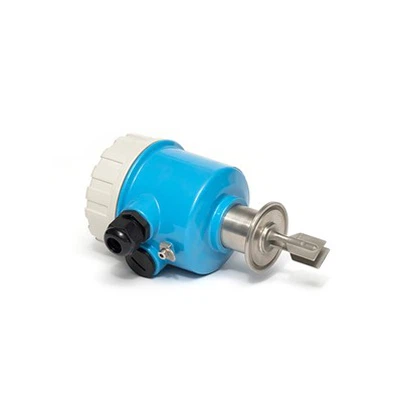

How to install a Tuning Fork Level Switch on a slanted surface?
Leave a message

Installing a tuning fork level switch on a slanted surface requires careful planning and execution to ensure accurate and reliable operation. As a tuning fork level switch supplier, I understand the importance of proper installation to achieve optimal performance. In this blog post, I will guide you through the step-by-step process of installing a tuning fork level switch on a slanted surface, along with some essential tips and considerations.
Step 1: Select the Right Tuning Fork Level Switch
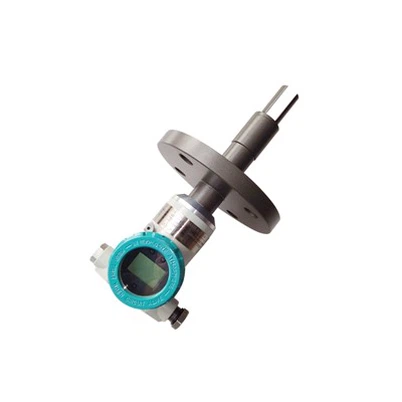
Before you begin the installation process, it's crucial to choose the appropriate tuning fork level switch for your application. Consider factors such as the type of material being measured, the angle of the slanted surface, and the environmental conditions. For solids applications, I recommend our Vibrating Fork Level Switch For Solids, which is specifically designed to detect the presence or absence of solids in various industries. If you need an alarm function, our Tuning Fork Switch With Alarm is an excellent choice.
Step 2: Prepare the Installation Site
Once you have selected the right tuning fork level switch, it's time to prepare the installation site. Start by cleaning the slanted surface to remove any dirt, debris, or contaminants that could affect the switch's performance. Make sure the surface is smooth and free of any obstructions. Next, mark the location where you will install the switch, ensuring that it is in a position where it can accurately detect the level of the material.
Step 3: Mount the Tuning Fork Level Switch
After preparing the installation site, it's time to mount the tuning fork level switch. Most tuning fork level switches come with mounting brackets or flanges that allow for easy installation. Follow the manufacturer's instructions carefully to ensure that the switch is mounted securely and at the correct angle. It's important to note that the switch should be mounted perpendicular to the slanted surface to ensure accurate measurement.
Step 4: Connect the Wiring
Once the tuning fork level switch is mounted, it's time to connect the wiring. Make sure to follow the wiring diagram provided by the manufacturer to ensure that the switch is connected correctly. Most tuning fork level switches require a power supply and a signal output connection. The power supply can be either AC or DC, depending on the model. The signal output connection is used to transmit the switch's status to a control system or other monitoring device.
Step 5: Calibrate the Tuning Fork Level Switch
After connecting the wiring, it's time to calibrate the tuning fork level switch. Calibration is essential to ensure that the switch is accurately detecting the level of the material. Most tuning fork level switches come with a calibration procedure that involves adjusting the sensitivity of the switch to match the characteristics of the material being measured. Follow the manufacturer's instructions carefully to calibrate the switch correctly.
Step 6: Test the Tuning Fork Level Switch
Once the tuning fork level switch is calibrated, it's time to test it to ensure that it is working correctly. Start by filling the container or tank with the material being measured to the desired level. The switch should activate when the material reaches the level of the forks. If the switch does not activate, check the wiring connections and calibration settings. If the switch activates too early or too late, adjust the calibration settings accordingly.
Step 7: Monitor and Maintain the Tuning Fork Level Switch
After testing the tuning fork level switch, it's important to monitor and maintain it regularly to ensure that it continues to operate correctly. Check the switch's status periodically to ensure that it is still detecting the level of the material accurately. If you notice any issues or abnormalities, such as false alarms or inconsistent readings, contact the manufacturer or a qualified technician for assistance.
Tips and Considerations
- Angle of the Slanted Surface: The angle of the slanted surface can affect the performance of the tuning fork level switch. Make sure to choose a switch that is designed to work on slanted surfaces and adjust the mounting angle accordingly.
- Material Characteristics: The characteristics of the material being measured, such as density, viscosity, and particle size, can also affect the performance of the tuning fork level switch. Make sure to choose a switch that is suitable for the material being measured.
- Environmental Conditions: The environmental conditions, such as temperature, humidity, and vibration, can also affect the performance of the tuning fork level switch. Make sure to choose a switch that is designed to operate in the environmental conditions of your application.
- Regular Maintenance: Regular maintenance is essential to ensure that the tuning fork level switch continues to operate correctly. Make sure to clean the switch periodically to remove any dirt, debris, or contaminants that could affect its performance.
Conclusion
Installing a tuning fork level switch on a slanted surface requires careful planning and execution to ensure accurate and reliable operation. By following the steps outlined in this blog post and considering the tips and considerations provided, you can install a tuning fork level switch on a slanted surface with confidence. If you have any questions or need further assistance, please don't hesitate to contact us. We are a leading tuning fork level switch supplier and are committed to providing our customers with the highest quality products and services.


If you are interested in purchasing a tuning fork level switch or have any questions about our products, please contact us today to start a discussion about your specific requirements. We look forward to working with you to find the best solution for your application.
References
- Manufacturer's Installation and Operation Manuals
- Industry Standards and Guidelines for Level Measurement