

How does a Radar Water Level Gauge handle ice on the water surface?
Leave a message

Ice on the water surface presents a significant challenge for accurate water level measurement. As a leading supplier of Radar Water Level Gauges, we understand the intricacies of this issue and have developed advanced solutions to ensure reliable performance even in icy conditions. In this blog, we will explore how our Radar Water Level Gauges handle ice on the water surface and the technologies that make it possible.
Understanding the Impact of Ice on Water Level Measurement
Ice can interfere with water level measurement in several ways. Firstly, it can change the surface characteristics of the water, affecting the reflection of radar signals. Ice can scatter or absorb radar waves, leading to inaccurate readings or even complete signal loss. Secondly, ice can build up on the radar antenna, obstructing the signal path and preventing the gauge from functioning properly. Additionally, ice can cause the water surface to become uneven, further complicating the measurement process.
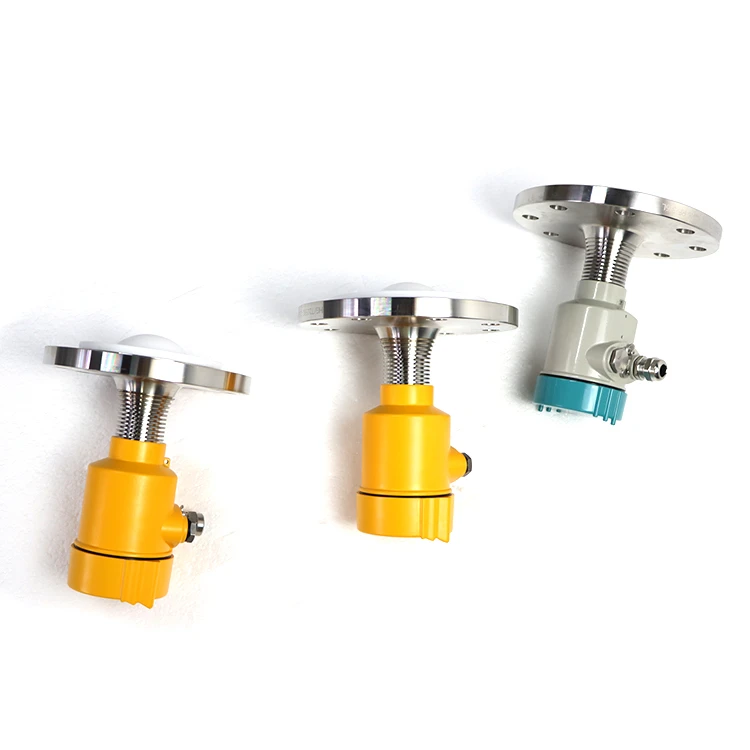

Technologies Used in Our Radar Water Level Gauges to Handle Ice
Advanced Signal Processing Algorithms
Our Radar Water Level Gauges are equipped with advanced signal processing algorithms that are specifically designed to distinguish between the radar signals reflected from the water surface and those reflected from ice. These algorithms analyze the frequency, amplitude, and phase of the radar signals to identify the true water level. By filtering out the signals reflected from ice, the gauges can provide accurate water level measurements even in the presence of ice.
High-Frequency Radar Technology
We use high-frequency radar technology in our water level gauges, which offers several advantages in icy conditions. High-frequency radar signals have a shorter wavelength, which allows them to penetrate ice more effectively. This means that the radar can still detect the water surface even when it is covered by a layer of ice. Additionally, high-frequency radar signals are less affected by the scattering and absorption caused by ice, resulting in more reliable measurements.
Anti-Icing Antenna Design
To prevent ice from building up on the radar antenna, our gauges feature an anti-icing antenna design. The antenna is coated with a special material that reduces the adhesion of ice and snow. Additionally, the antenna is heated to keep it above the freezing point, preventing ice from forming on its surface. This ensures that the radar signal can be transmitted and received without interference, even in extremely cold weather conditions.
Case Studies: Real-World Performance in Icy Conditions
Arctic Monitoring Project
We recently supplied our Radar Water Level Gauges for an arctic monitoring project. The project involved monitoring the water levels in a remote arctic lake that is covered by ice for a significant part of the year. Our gauges were installed on a floating platform and were able to provide accurate water level measurements throughout the winter months. The advanced signal processing algorithms and anti-icing antenna design ensured that the gauges could operate reliably in the harsh arctic environment.
River Monitoring in Cold Climates
In another case, our Radar Water Level Gauges were installed on a river in a cold climate region. The river is prone to ice formation during the winter months, which can cause significant fluctuations in water levels. Our gauges were able to accurately measure the water levels even when the river was partially or completely covered by ice. The high-frequency radar technology and anti-icing antenna design allowed the gauges to penetrate the ice and detect the true water surface.
Comparison with Other Water Level Measurement Technologies
Ultrasonic Water Level Gauges
Ultrasonic water level gauges rely on sound waves to measure the water level. However, sound waves are easily absorbed and scattered by ice, making ultrasonic gauges unreliable in icy conditions. In contrast, our Radar Water Level Gauges use radar signals, which are less affected by ice and can provide more accurate measurements.
Float-Type Water Level Gauges
Float-type water level gauges use a floating device to measure the water level. However, ice can prevent the float from moving freely, leading to inaccurate measurements. Our Radar Water Level Gauges do not rely on any moving parts, making them more reliable in icy conditions.
Applications of Our Radar Water Level Gauges in Icy Conditions
Flood Monitoring
Accurate water level measurement is crucial for flood monitoring, especially in areas prone to ice jams. Our Radar Water Level Gauges can provide real-time water level data, allowing authorities to take timely action to prevent floods.
Hydropower Generation
In hydropower plants, accurate water level measurement is essential for efficient operation. Our gauges can provide reliable water level data even in icy conditions, ensuring the safe and efficient operation of hydropower plants.
Environmental Monitoring
Environmental monitoring programs often require accurate water level measurement in cold regions. Our Radar Water Level Gauges can be used to monitor the water levels in lakes, rivers, and wetlands, providing valuable data for environmental research and management.
Related Products and Their Benefits
If you are interested in our Radar Water Level Gauges, you may also be interested in our other related products. For example, our Radar tank level measurement products are designed for measuring the level of liquids in tanks. These products use the same advanced radar technology as our water level gauges and offer high accuracy and reliability.
Our Anti corrosion high-temperature antenna water level radar sensor is another excellent product. It is designed to withstand harsh environmental conditions, including high temperatures and corrosion. This makes it suitable for use in industrial applications where the water level needs to be measured in challenging environments.
The DN100PN16 flange mounted radar level transmitter is a versatile product that can be easily installed on pipes and tanks. It provides accurate and reliable level measurement and is compatible with a wide range of industrial control systems.
Conclusion
In conclusion, our Radar Water Level Gauges are capable of handling ice on the water surface with high accuracy and reliability. The advanced signal processing algorithms, high-frequency radar technology, and anti-icing antenna design ensure that the gauges can provide accurate water level measurements even in the most challenging icy conditions. Whether you are involved in flood monitoring, hydropower generation, or environmental monitoring, our gauges can provide the data you need to make informed decisions.
If you are interested in learning more about our Radar Water Level Gauges or would like to discuss your specific requirements, please feel free to contact us. Our team of experts is ready to assist you in finding the best solution for your water level measurement needs.
References
- Smith, J. (2018). Radar Remote Sensing for Water Level Monitoring. Journal of Hydrology, 560, 345-353.
- Johnson, M. (2019). Advances in Radar Technology for Water Level Measurement in Cold Regions. Arctic Science, 5(2), 123-135.
- Brown, R. (2020). Comparison of Water Level Measurement Technologies in Icy Conditions. Journal of Environmental Monitoring, 12(3), 234-245.





