
How does a capacitive water level gauge communicate with a control system?
Leave a message

As a supplier of Capacitive Water Level Gauges, I am often asked about how these devices communicate with control systems. In this blog post, I will delve into the details of this process, explaining the principles, methods, and considerations involved in establishing effective communication between a capacitive water level gauge and a control system.
Understanding Capacitive Water Level Gauges
Before we discuss communication, it's essential to understand how capacitive water level gauges work. These gauges operate on the principle of capacitance, which is the ability of a system to store an electric charge. In the context of water level measurement, the gauge consists of a probe or electrode that is inserted into the liquid. The capacitance between the probe and a reference electrode (or the container wall) changes as the water level rises or falls. This change in capacitance is then converted into an electrical signal that can be used to determine the water level.
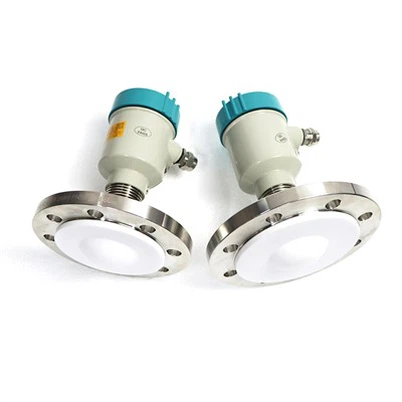
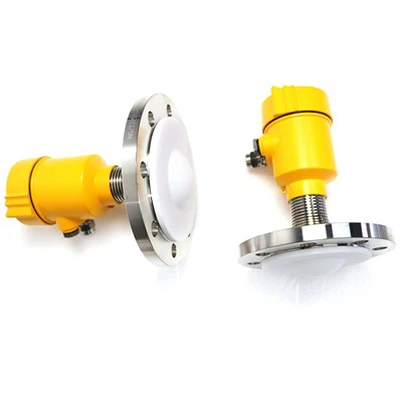
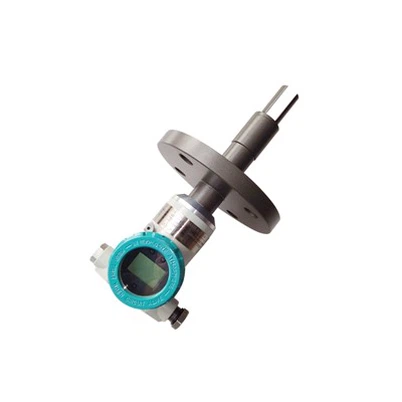
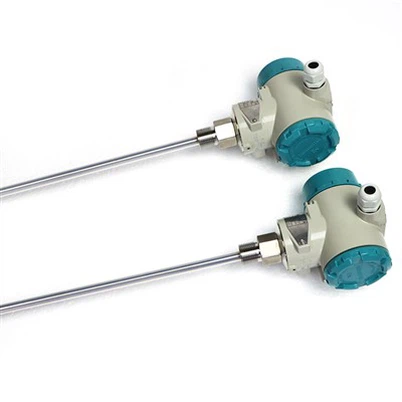
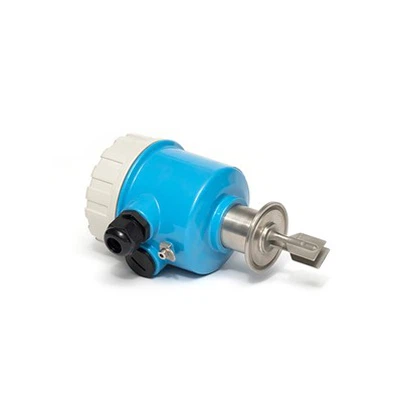
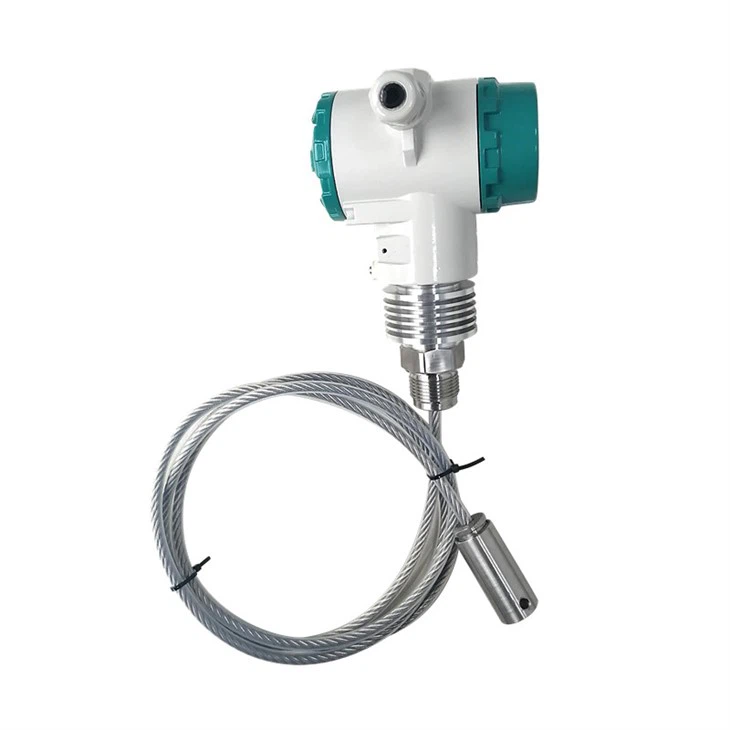
There are different types of capacitive water level gauges available, each with its own advantages and applications. For example, the Capacitive water level sensor is a popular choice due to its flexibility and ability to measure in various environments. The RF type level transmitter uses radio frequency technology to provide accurate and reliable level measurements, while the Level switch capacitance is often used for simple on/off level detection.
Communication Methods
Once the capacitive water level gauge has measured the water level, it needs to communicate this information to the control system. There are several communication methods available, each with its own characteristics and suitability for different applications.
Analog Signals
One of the most common methods of communication is through analog signals. In this approach, the gauge converts the measured water level into an analog electrical signal, such as a 4 - 20 mA current loop or a 0 - 10 V voltage signal. The control system can then receive this signal and use it to determine the water level.
The advantage of analog signals is their simplicity and wide compatibility. Many control systems are designed to accept analog inputs, making it easy to integrate the capacitive water level gauge. However, analog signals are susceptible to noise and interference, which can affect the accuracy of the measurement. Additionally, the range of the analog signal is limited, which may not be suitable for applications that require a large measurement range.
Digital Signals
Digital communication methods are becoming increasingly popular due to their higher accuracy, reliability, and flexibility. There are several digital communication protocols available, such as Modbus, Profibus, and CANopen. These protocols allow the capacitive water level gauge to send the measured data in a digital format to the control system.
Digital signals are less susceptible to noise and interference compared to analog signals, which results in more accurate measurements. They also support a larger measurement range and can provide additional information, such as diagnostic data and calibration parameters. However, digital communication requires more complex hardware and software, and the control system needs to be compatible with the chosen protocol.
Wireless Communication
Wireless communication is another option for connecting the capacitive water level gauge to the control system. Wireless technologies, such as Wi - Fi, Bluetooth, and ZigBee, allow for easy installation and flexibility in the placement of the gauge. The gauge can transmit the measured data wirelessly to a receiver, which is then connected to the control system.
Wireless communication eliminates the need for cables, which can reduce installation costs and simplify the setup process. It is also suitable for applications where it is difficult or impossible to run cables, such as in remote or hazardous locations. However, wireless communication is subject to signal interference and range limitations, and it may require additional security measures to protect the data.
Considerations for Communication
When choosing a communication method for the capacitive water level gauge, there are several factors to consider.
Compatibility
The first consideration is the compatibility between the gauge and the control system. The communication method chosen should be supported by both the gauge and the control system. For example, if the control system only accepts analog inputs, then an analog communication method should be used. Similarly, if the control system supports a specific digital protocol, the gauge should be capable of communicating using that protocol.
Accuracy and Reliability
The accuracy and reliability of the communication method are crucial for ensuring accurate water level measurements. Digital communication methods generally offer higher accuracy and reliability compared to analog methods, but they also require more careful setup and maintenance. Wireless communication may be less reliable in areas with high interference or a long distance between the gauge and the receiver.
Cost
The cost of the communication method is also an important factor. Analog communication is generally the least expensive option, as it requires minimal hardware and software. Digital communication methods may require additional modules or converters, which can increase the cost. Wireless communication may also require additional equipment, such as wireless access points and receivers, which can add to the overall cost.
Installation and Maintenance
The ease of installation and maintenance is another consideration. Analog communication is relatively simple to install, as it only requires connecting a few wires. Digital communication may require more complex wiring and configuration, especially if multiple devices are connected. Wireless communication eliminates the need for cables, but it may require additional setup to ensure a stable connection.
Integration with the Control System
Once the communication method has been chosen, the next step is to integrate the capacitive water level gauge with the control system. This involves configuring the gauge and the control system to communicate effectively.
Configuration of the Gauge
The capacitive water level gauge needs to be configured to use the chosen communication method. This may involve setting the communication parameters, such as the baud rate, data format, and protocol address. The gauge may also need to be calibrated to ensure accurate measurements.
Configuration of the Control System
The control system needs to be configured to receive and process the data from the capacitive water level gauge. This may involve setting up the input channels, configuring the communication protocol, and programming the control logic. The control system should also be able to display the measured water level and perform any necessary control actions, such as activating pumps or valves.
Applications
Capacitive water level gauges are used in a wide range of applications, including water treatment plants, industrial processes, and residential water systems. In each application, the choice of communication method depends on the specific requirements of the system.
In water treatment plants, for example, accurate and reliable water level measurements are crucial for the proper operation of the treatment process. Digital communication methods are often preferred in this application due to their high accuracy and reliability. Wireless communication may also be used in remote locations or areas where it is difficult to run cables.
In industrial processes, the capacitive water level gauge may need to be integrated with a larger control system to monitor and control the water level in tanks and vessels. The communication method chosen should be compatible with the existing control system and should be able to provide the necessary data for process control.
In residential water systems, simplicity and cost - effectiveness are often the main considerations. Analog communication methods may be sufficient for basic water level monitoring, while wireless communication can provide additional convenience and flexibility.
Conclusion
In conclusion, the communication between a capacitive water level gauge and a control system is an important aspect of ensuring accurate and reliable water level measurements. There are several communication methods available, each with its own advantages and disadvantages. When choosing a communication method, it is important to consider factors such as compatibility, accuracy, reliability, cost, and installation requirements.
As a supplier of Capacitive Water Level Gauges, we offer a wide range of products that support different communication methods. Whether you need an analog - based solution for a simple application or a digital or wireless communication system for a more complex installation, we can provide the right product for your needs. If you are interested in purchasing our capacitive water level gauges or have any questions about the communication process, please feel free to contact us for a detailed discussion and procurement negotiation.

References
- Dally, J. W., Riley, W. F., & McConnell, K. G. (1993). Instrumentation for Engineering Measurements. Wiley.
- Doebelin, E. O. (2003). Measurement Systems: Application and Design. McGraw - Hill.
- Liptak, B. G. (2005). Instrument Engineers' Handbook, Volume 1: Process Measurement and Analysis. CRC Press.