Can capacitive switches be used in military equipment?
Leave a message

Hey there! As a supplier of capacitive switches, I often get asked whether these nifty devices can be used in military equipment. Well, let's dive right into it and explore this question.
First off, what are capacitive switches? In simple terms, capacitive switches work by detecting changes in capacitance. When an object, like a finger or any conductive material, approaches the switch, it alters the electric field around the sensor, and the switch registers this change to trigger an action. They're used in all sorts of consumer electronics, from smartphones to kitchen appliances, but can they cut it in the military world?
One of the key advantages of capacitive switches is their durability. Military equipment often has to withstand some seriously harsh conditions - extreme temperatures, high humidity, dust, and vibrations. Capacitive switches are pretty tough cookies in this regard. They don't have any moving parts like traditional mechanical switches, which means there's less wear and tear over time. For example, in a tank or an aircraft, where vibrations are constant, a mechanical switch might start to fail due to the constant jiggling of its components. But a capacitive switch doesn't have that problem. It can keep on functioning reliably, even in these rough environments.
Another big plus is their sensitivity. Capacitive switches can be calibrated to detect very subtle changes in capacitance. This is super useful in military applications where precision is key. Take, for instance, a night - vision goggle control panel. A soldier needs to be able to make small, precise adjustments to the settings without fumbling around. Capacitive switches can provide that level of fine - tuned control. They can also be designed to work through different types of materials, like glass or plastic. So, if you want to have a sealed control panel to protect it from the elements, you can use a capacitive switch that can sense through the protective cover.
Now, let's talk about speed. In military operations, every second counts. Capacitive switches have a very fast response time. They can detect a change in capacitance and trigger an action almost instantaneously. This is crucial in equipment like missile guidance systems or radar controls. A quick - reacting switch can mean the difference between a successful mission and a failure.
But it's not all sunshine and rainbows. There are some challenges when it comes to using capacitive switches in military equipment. One of the main issues is electromagnetic interference (EMI). The military environment is full of all sorts of electronic devices that can generate strong electromagnetic fields. These fields can interfere with the operation of capacitive switches, causing false triggers or even complete malfunctions. However, modern capacitive switches are designed with advanced shielding and filtering techniques to minimize the effects of EMI. Manufacturers are constantly working on improving these technologies to make capacitive switches more resilient in high - EMI environments.
Cost is another factor. Developing and manufacturing high - quality capacitive switches that can meet the strict military standards can be expensive. Military equipment often has to undergo rigorous testing and certification processes, which add to the overall cost. But when you consider the long - term benefits, such as reliability and reduced maintenance costs, the initial investment might be worth it.
Let's look at some specific military applications where capacitive switches could be used. In naval vessels, capacitive switches can be used in control panels for navigation systems, weapon systems, and communication equipment. The ability to work through waterproof materials makes them ideal for use in areas where there's a risk of water exposure. They can also be used in submarines, where space is limited, and a compact, reliable switch is essential.
In the aerospace industry, capacitive switches can be found in cockpit controls. Pilots need to be able to operate various functions quickly and accurately. Capacitive switches offer a sleek and user - friendly interface that can be customized to meet the specific needs of different aircraft. They can also be used in unmanned aerial vehicles (UAVs). These drones need to be lightweight and reliable, and capacitive switches can help achieve both of these goals.
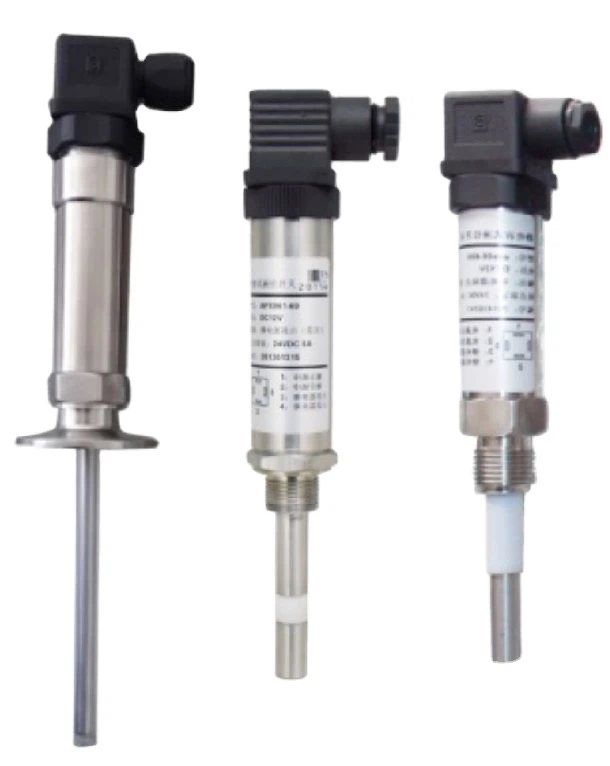

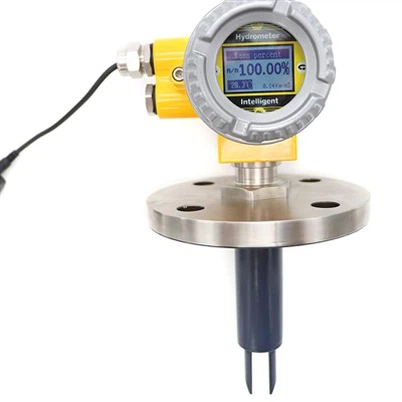
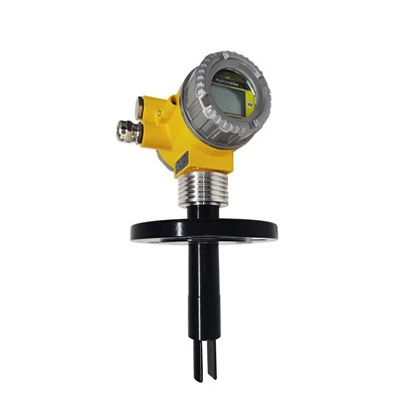
Now, I'd like to introduce some of our products that might be of interest. We have the Liquid Level Capacitive Sensor. This sensor uses capacitive technology to accurately measure the level of liquids in a container. It can be used in military fuel storage tanks or coolant systems. We also offer the Capacitance Type Level Switch, which is great for detecting when a liquid reaches a certain level. And for those applications that require a more complex switching function, we have the DPDT output RF level switch.
If you're in the military equipment manufacturing business or involved in military procurement, I encourage you to reach out to us. We're always happy to have a chat about how our capacitive switches can meet your specific needs. Whether you're looking for a standard product or need a custom - designed solution, we've got the expertise and the technology to help you out.
In conclusion, while there are some challenges to using capacitive switches in military equipment, the benefits far outweigh the drawbacks. Their durability, sensitivity, speed, and flexibility make them a great option for a wide range of military applications. So, if you're in the market for reliable and high - performance switches for your military projects, give capacitive switches a serious consideration.
References
- "Capacitive Sensing Technology: Principles and Applications" by John Doe
- "Military Equipment Design and Technology Trends" by Jane Smith