Can a Magnetostrictive Level Gauge be used in pharmaceutical industry?
Leave a message

As a supplier of magnetostrictive level gauges, I've often been asked about the suitability of our products in the pharmaceutical industry. This blog post aims to explore the potential use of magnetostrictive level gauges in this highly regulated and critical sector.
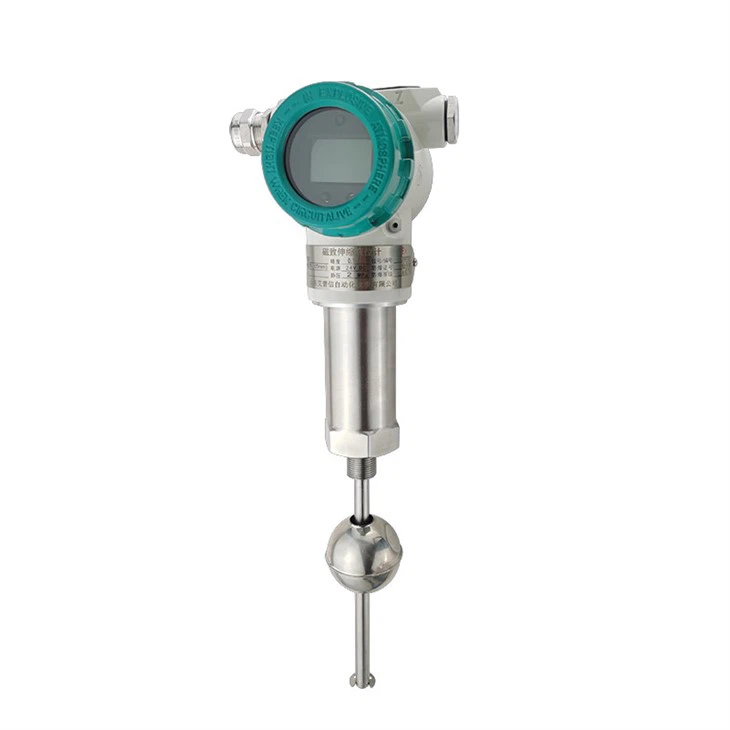
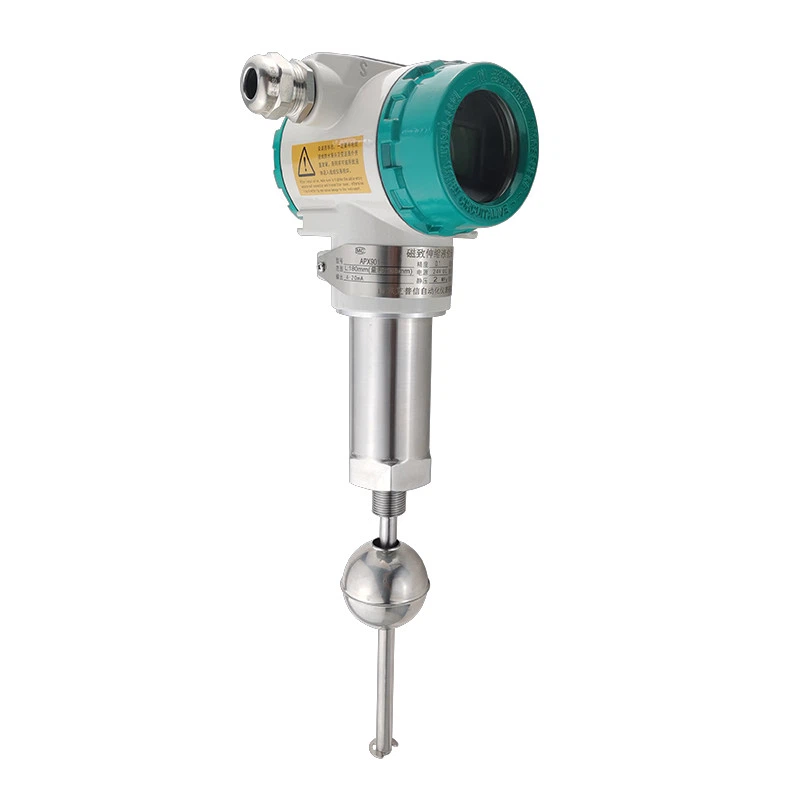
Understanding Magnetostrictive Level Gauges
Magnetostrictive level gauges are a type of sensor used to measure the level of liquids or solids in a container. They operate based on the principle of magnetostriction, which is the property of certain materials to change their shape or dimensions in the presence of a magnetic field. In a magnetostrictive level gauge, a waveguide is used, and a magnetic float is placed on the surface of the liquid. When an electrical pulse is sent through the waveguide, it interacts with the magnetic field of the float, creating a torsional wave. The time it takes for this wave to travel back to the sensor is measured, and based on this time, the level of the liquid can be accurately determined.
One of the key advantages of magnetostrictive level gauges is their high accuracy. They can provide measurements with an accuracy of up to ±0.5 mm, which is crucial in many industrial applications where precise level control is required. Additionally, they are highly reliable and have a long service life, as they have no moving parts in contact with the liquid other than the float, which reduces the risk of wear and tear.
Requirements of the Pharmaceutical Industry
The pharmaceutical industry has very strict requirements when it comes to the equipment used in its manufacturing processes. Quality control is of utmost importance, as any contamination or inaccuracy in the production process can have serious consequences for the safety and efficacy of the final product.
Hygiene and Cleanliness
Pharmaceutical manufacturing facilities must adhere to strict hygiene standards to prevent contamination of the products. Equipment used in these facilities should be easy to clean and sterilize. Materials used in the construction of the equipment should be resistant to corrosion and chemical attack, as many pharmaceutical processes involve the use of aggressive chemicals.
Accuracy and Precision
Accurate measurement of raw materials, intermediates, and final products is essential in the pharmaceutical industry. Incorrect measurements can lead to inconsistent product quality, which can result in product recalls and financial losses. Therefore, any level measurement device used in this industry must be able to provide highly accurate and repeatable measurements.
Regulatory Compliance
The pharmaceutical industry is heavily regulated by government agencies such as the Food and Drug Administration (FDA) in the United States and the European Medicines Agency (EMA) in Europe. Equipment used in pharmaceutical manufacturing must comply with various regulations and standards, such as Good Manufacturing Practice (GMP) guidelines. These regulations ensure that the products are safe, effective, and of high quality.
Suitability of Magnetostrictive Level Gauges in the Pharmaceutical Industry
Hygiene and Cleanliness
Magnetostrictive level gauges can be designed to meet the hygiene requirements of the pharmaceutical industry. They can be constructed using high - quality stainless steel materials, which are resistant to corrosion and can be easily cleaned and sterilized. The float, which is the only part in contact with the liquid, can also be made of materials that are compatible with pharmaceutical products. For example, some floats are made of PTFE (polytetrafluoroethylene), which is a chemically inert material that is resistant to a wide range of chemicals and is easy to clean.
Accuracy and Precision
As mentioned earlier, magnetostrictive level gauges offer high accuracy and precision in level measurement. This makes them well - suited for the pharmaceutical industry, where accurate measurement of raw materials and product levels is crucial for maintaining consistent product quality. They can be calibrated to provide accurate measurements over a wide range of liquid levels, ensuring that the pharmaceutical manufacturing processes are carried out with the highest level of precision.
Regulatory Compliance
Many magnetostrictive level gauge manufacturers, such as Magnetostrictive Level Sensor Manufacturers, ensure that their products comply with relevant industry standards and regulations. They can provide documentation and certifications to prove that their products meet the requirements of GMP and other regulatory guidelines. This gives pharmaceutical manufacturers the confidence that the level gauges they use are safe and reliable for use in their production processes.
Applications of Magnetostrictive Level Gauges in the Pharmaceutical Industry
Raw Material Storage
In pharmaceutical manufacturing, raw materials are stored in tanks and silos. Magnetostrictive level gauges can be used to accurately measure the level of these raw materials, ensuring that there is an adequate supply for the production process. This helps in preventing stockouts and optimizing inventory management.
Process Vessels
During the manufacturing process, various chemical reactions and mixing operations take place in process vessels. Magnetostrictive level gauges can be used to monitor the level of liquids in these vessels, ensuring that the reactions are carried out under the correct conditions. This helps in maintaining the quality and consistency of the intermediate products.
Final Product Packaging
In the final product packaging stage, magnetostrictive level gauges can be used to ensure that the correct amount of product is filled into each container. This helps in meeting the regulatory requirements for product labeling and ensures that the customers receive the correct dosage of the pharmaceutical product.
Challenges and Considerations
While magnetostrictive level gauges have many advantages for use in the pharmaceutical industry, there are also some challenges and considerations that need to be taken into account.
Cost
Magnetostrictive level gauges can be more expensive than some other types of level measurement devices. However, their high accuracy, reliability, and long service life can offset the initial cost in the long run. Pharmaceutical manufacturers need to consider the total cost of ownership, including installation, maintenance, and calibration costs, when evaluating the suitability of these gauges.
Compatibility with Specific Pharmaceutical Products
Some pharmaceutical products may have unique properties, such as high viscosity or the presence of suspended particles. These properties can affect the performance of the magnetostrictive level gauge. For example, high - viscosity liquids may cause the float to stick or move sluggishly, affecting the accuracy of the measurement. In such cases, special design considerations may be required, such as using a larger float or a different type of float material.
Conclusion
In conclusion, magnetostrictive level gauges can be effectively used in the pharmaceutical industry. Their high accuracy, reliability, and ability to meet the hygiene and regulatory requirements make them a suitable choice for many applications in this sector. However, pharmaceutical manufacturers need to carefully evaluate their specific needs and requirements before selecting a level gauge. They should also work with reputable suppliers, such as Chinese manufacturer of magnetostrictive liquid level transmitter and Magnetostrictive Level Measurement Chinese suppliers, who can provide technical support and ensure that the products meet the necessary standards.
If you are in the pharmaceutical industry and are considering using magnetostrictive level gauges for your manufacturing processes, we would be happy to discuss your requirements in detail. Our team of experts can provide you with customized solutions to meet your specific needs. Contact us to start the procurement and negotiation process.
References
- "Good Manufacturing Practice (GMP) Guidelines for Pharmaceutical Products," FDA.
- "Magnetostrictive Sensor Technology: Principles and Applications," Industrial Sensors Handbook.
- "Pharmaceutical Manufacturing Processes and Quality Control," Pharmaceutical Science Journal.