
Can an in-line density meter measure the density of viscous liquids?
Leave a message

Can an in-line density meter measure the density of viscous liquids?
As a supplier of in-line density meters, I often encounter questions from customers about the capabilities of our products, especially when it comes to measuring the density of viscous liquids. In this blog post, I will explore the feasibility of using an in-line density meter for viscous liquids, discuss the challenges involved, and highlight the solutions our in-line density meters offer.
Understanding In-line Density Meters
In-line density meters are devices used to measure the density of liquids in a continuous flow process. They are designed to provide real-time density measurements, which are crucial for various industries such as chemical, food and beverage, pharmaceutical, and oil and gas. These meters work on different principles, including vibration, ultrasonic, and Coriolis. Each principle has its advantages and limitations, but they all aim to accurately measure the density of the liquid flowing through the pipeline.
Challenges of Measuring Viscous Liquids
Viscous liquids, such as honey, syrup, and heavy oils, pose unique challenges for density measurement. The high viscosity of these liquids can affect the performance of the density meter in several ways:
- Flow Resistance: Viscous liquids have a higher resistance to flow, which can cause issues with the meter's ability to accurately measure the density. The flow rate may be reduced, leading to inaccurate readings or even blockages in the meter.
- Coating and Buildup: Viscous liquids can adhere to the surfaces of the density meter, causing coating and buildup over time. This can affect the meter's sensitivity and accuracy, as well as its overall performance.
- Temperature Effects: Viscosity is highly dependent on temperature, and changes in temperature can significantly affect the density of viscous liquids. In-line density meters need to be able to compensate for these temperature effects to provide accurate measurements.
Can In-line Density Meters Measure Viscous Liquids?
The answer is yes, in-line density meters can measure the density of viscous liquids, but it depends on the type of meter and the specific application. Some in-line density meters are better suited for measuring viscous liquids than others, and certain design features can help overcome the challenges associated with high viscosity.
Vibration-based In-line Density Meters
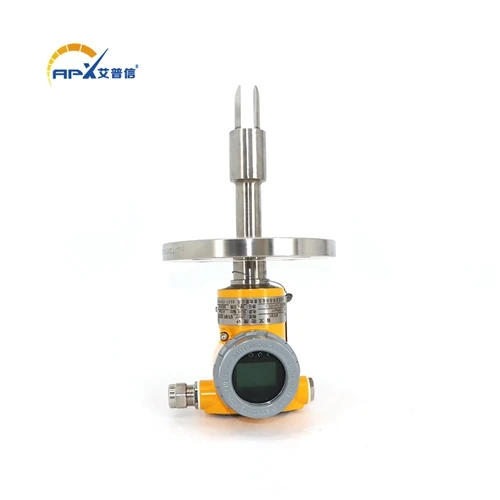
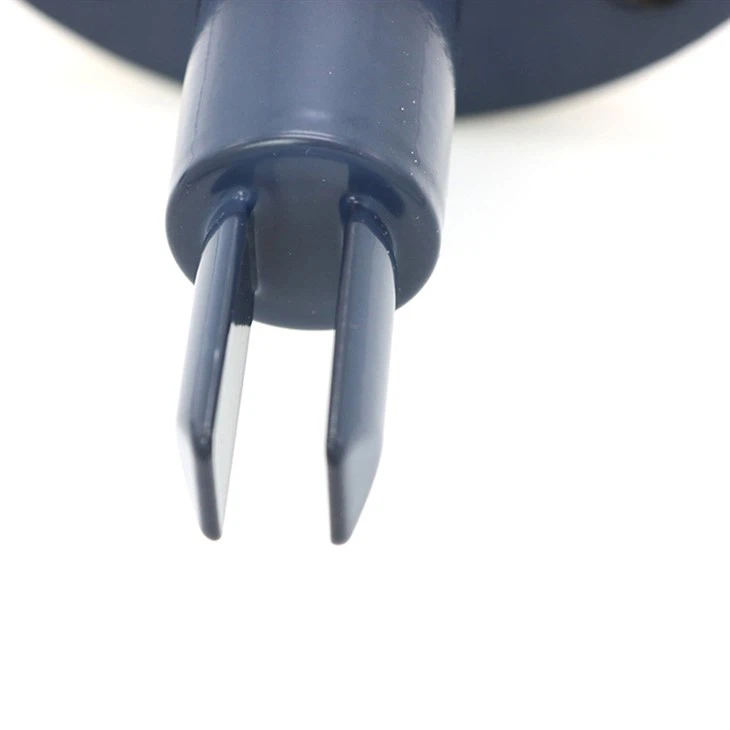
Vibration-based in-line density meters, such as tuning fork density meters, are commonly used for measuring the density of viscous liquids. These meters work by vibrating a tuning fork or other vibrating element in the liquid and measuring the change in frequency or amplitude of the vibration. The density of the liquid affects the vibration characteristics, allowing the meter to calculate the density.
Vibration-based density meters are relatively insensitive to viscosity, making them suitable for measuring the density of viscous liquids. They can also handle a wide range of flow rates and are less prone to blockages compared to other types of density meters. However, they may require regular cleaning to prevent coating and buildup on the vibrating element.
Ultrasonic In-line Density Meters
Ultrasonic in-line density meters use ultrasonic waves to measure the density of the liquid. These meters work by sending ultrasonic waves through the liquid and measuring the time it takes for the waves to travel through the liquid. The density of the liquid affects the speed of the ultrasonic waves, allowing the meter to calculate the density.
Ultrasonic density meters are also relatively insensitive to viscosity and can handle a wide range of flow rates. They are non-invasive, which means they do not come into direct contact with the liquid, reducing the risk of coating and buildup. However, they may be affected by the presence of bubbles or solids in the liquid, which can scatter the ultrasonic waves and affect the accuracy of the measurement.
Coriolis In-line Density Meters
Coriolis in-line density meters are based on the Coriolis effect, which is the deflection of a moving object due to the rotation of the Earth. These meters work by flowing the liquid through a vibrating tube and measuring the Coriolis force acting on the tube. The density of the liquid affects the Coriolis force, allowing the meter to calculate the density.
Coriolis density meters are highly accurate and can measure the density of a wide range of liquids, including viscous liquids. They are also insensitive to viscosity and can handle high flow rates. However, they are more expensive than other types of density meters and may require more maintenance.
Our In-line Density Meters for Viscous Liquids
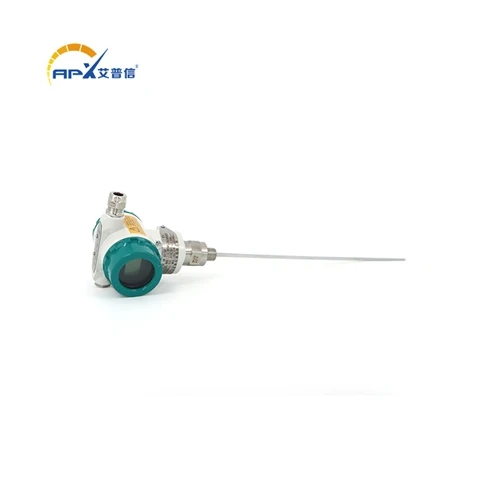
As a supplier of in-line density meters, we offer a range of products that are suitable for measuring the density of viscous liquids. Our Advanced online density meter OEM ODM manufacturer features a tuning fork design that is highly insensitive to viscosity and can handle a wide range of flow rates. The meter is also easy to clean and maintain, reducing the risk of coating and buildup.
In addition to our tuning fork density meters, we also offer Concentration meter and Slurry Density Meter that are designed to handle the challenges associated with measuring the density of viscous liquids. These meters are based on different principles, such as ultrasonic and Coriolis, and offer high accuracy and reliability.
Conclusion
In conclusion, in-line density meters can measure the density of viscous liquids, but it is important to choose the right type of meter for the specific application. Vibration-based, ultrasonic, and Coriolis density meters are all suitable for measuring the density of viscous liquids, but each has its own advantages and limitations.

As a supplier of in-line density meters, we have the expertise and experience to help you choose the right meter for your application. Our products are designed to provide accurate and reliable density measurements, even in challenging environments. If you are interested in learning more about our in-line density meters or have any questions about measuring the density of viscous liquids, please contact us for a consultation. We look forward to working with you to find the best solution for your needs.
References
- "Density Measurement of Viscous Liquids," Process Instrumentation and Control Handbook, Fourth Edition, edited by Bela G. Liptak.
- "In-line Density Meters: Principles and Applications," Journal of Process Control, Volume 21, Issue 1, January 2011.
- "Measurement of Density and Viscosity of Liquids Using Ultrasonic Techniques," Ultrasonics, Volume 49, Issue 2, March 2009.