What is the self - diagnostic function of Guided Wave Radar Level Meter?
Leave a message

Hey there! As a supplier of Guided Wave Radar Level Meters, I often get asked about the self - diagnostic function of these nifty devices. So, let's dive right in and explore what it's all about.
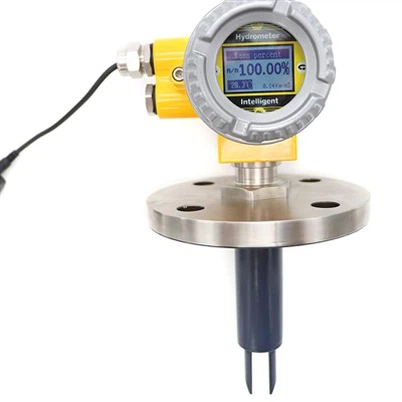
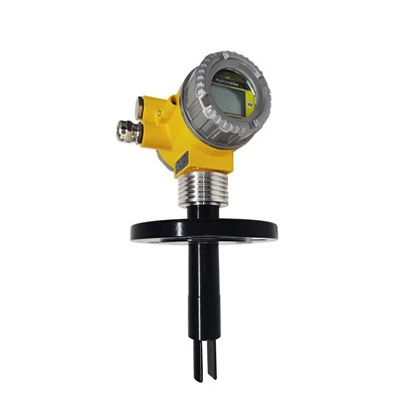
First off, what the heck is a Guided Wave Radar Level Meter? Well, it's a high - tech instrument used to measure the level of liquids or solids in a tank or container. It works by sending electromagnetic waves down a probe, and when these waves hit the surface of the material being measured, they bounce back. By analyzing the time it takes for the waves to return, the meter can accurately determine the level. You can learn more about Guided wave radar on our website.
Now, let's talk about the self - diagnostic function. This is like having a little tech wizard inside the meter that constantly checks on its own health and performance. It's super important because it helps us catch any potential issues before they turn into big problems.
One of the key aspects of the self - diagnostic function is checking the integrity of the probe. The probe is the part that actually comes into contact with the material being measured, and it's crucial that it's in good shape. The self - diagnostic system can detect if there's any damage to the probe, like a crack or a break. If it senses something's wrong, it'll send out an alert. This way, we can replace the probe before it affects the accuracy of the level measurement.
Another thing the self - diagnostic function does is monitor the electrical components of the meter. It checks things like the power supply, the signal processing circuits, and the communication interfaces. If there's a problem with the power supply, for example, the meter might not work correctly. The self - diagnostic system can detect a drop in voltage or a short circuit and let us know right away. This helps us avoid downtime and keep the measurement process running smoothly.
The self - diagnostic function also looks at the performance of the radar signals. It checks if the signals are being sent and received properly. If there's interference or a weak signal, it can indicate that there's an issue with the environment around the meter or with the calibration. For instance, if there are a lot of dust particles in the air near the meter, it might scatter the radar signals and make the measurement less accurate. The self - diagnostic system can detect this and suggest possible solutions, like adjusting the signal strength or cleaning the area around the meter.
Moreover, it can keep track of the historical data of the meter's performance. By analyzing this data, we can identify trends and patterns. Maybe the meter has been showing a slight decrease in accuracy over time. The self - diagnostic function can flag this and help us figure out if it's due to normal wear and tear or if there's a more serious underlying problem.
Let's take a closer look at some of the benefits of having this self - diagnostic function. For one, it saves a ton of time. Instead of having to manually check every component of the meter on a regular basis, the self - diagnostic system does it for us automatically. This means we can focus on other important tasks, like serving our customers better.
It also improves the reliability of the level measurement. When the meter can detect and fix its own problems, we can be more confident in the accuracy of the data it provides. This is especially important in industries where precise level measurement is critical, like the chemical, food and beverage, and oil and gas industries.
In addition, it reduces maintenance costs. By catching problems early, we can avoid costly repairs or replacements. For example, if we replace a damaged probe right away, we can prevent it from causing further damage to other parts of the meter.
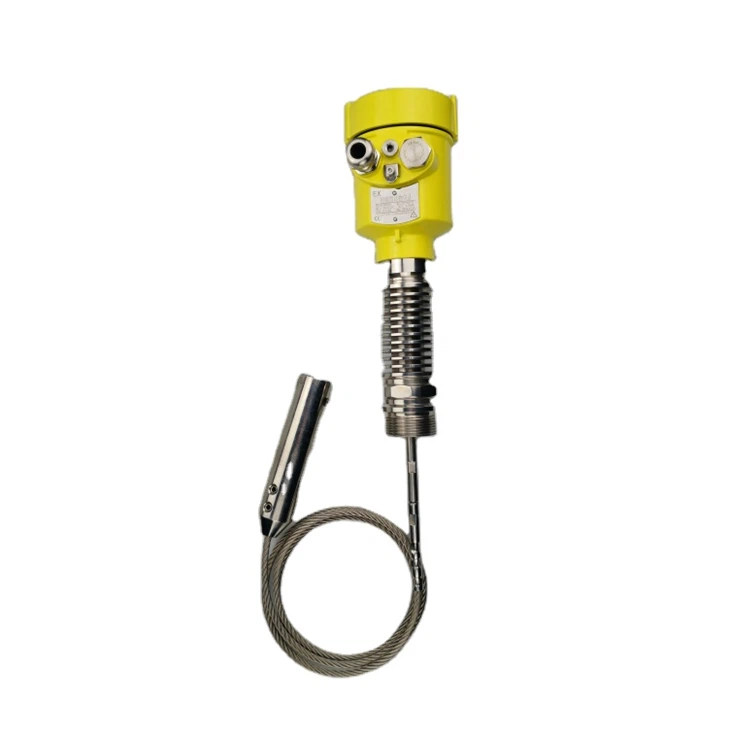
Now, I'd like to introduce some of our products. We have the 304 stainless steel pole antenna guided wave radar level gauge. This gauge is made of high - quality 304 stainless steel, which makes it resistant to corrosion and suitable for a wide range of applications. It also comes with the advanced self - diagnostic function we've been talking about, ensuring accurate and reliable level measurement.
We're also proud to be a Chinese supplier of guided wave radar liquid level transmitter. Our transmitters are designed to provide precise and stable level measurement in various tanks and containers. The self - diagnostic function in these transmitters helps us maintain the highest level of quality and performance.
If you're in the market for a Guided Wave Radar Level Meter, we'd love to have a chat with you. Whether you're looking for a solution for a small - scale application or a large - scale industrial project, we have the expertise and the products to meet your needs. Our team of experts is always ready to answer your questions and help you find the best product for your specific requirements. So, don't hesitate to reach out and start a conversation about your level measurement needs.
In conclusion, the self - diagnostic function of Guided Wave Radar Level Meters is a game - changer. It offers a range of benefits, from improving accuracy and reliability to saving time and money. As a supplier, we're committed to providing high - quality products with advanced features like this. If you're interested in learning more or making a purchase, just get in touch with us. We're here to make your level measurement process as easy and efficient as possible.
References

- Industry standards and guidelines for radar level measurement
- Technical documentation of Guided Wave Radar Level Meters