
What is the power supply requirement for an RF Admittance Switch?
Leave a message

Hey there! As a supplier of RF Admittance Switches, I often get asked about the power supply requirements for these nifty devices. So, let's dive right in and break it down in a way that's easy to understand.
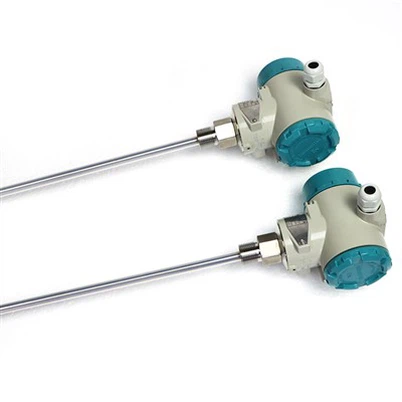
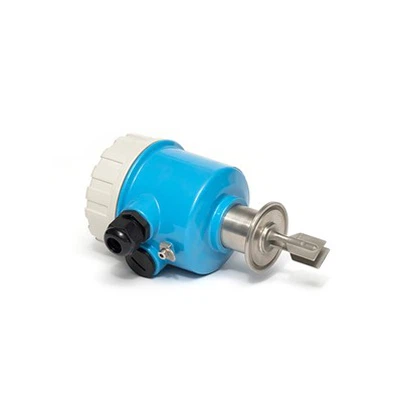
First off, what exactly is an RF Admittance Switch? Well, it's a device used to detect the level of materials in a tank, silo, or other container. It works by measuring the admittance (a measure related to how easily an alternating current can flow) between the probe and the ground. This technology is super useful in a bunch of industries, from food and beverage to chemical and pharmaceutical.
Now, let's talk about power supply. The power supply for an RF Admittance Switch is crucial because it directly affects the switch's performance and reliability. Most RF Admittance Switches on the market today can operate on a range of power sources. The most common ones are AC (alternating current) and DC (direct current).
AC Power Supply
AC power is widely available in industrial settings. Many RF Admittance Switches are designed to work with standard AC voltages like 110V or 220V. This is great because it means you can easily integrate the switch into your existing electrical system without having to install a separate power source.
One of the advantages of using an AC power supply is its stability. AC power systems are generally well-regulated, which means the voltage remains relatively constant. This stability ensures that the RF Admittance Switch operates consistently, providing accurate level detection over time.
However, there are also a few things to keep in mind when using an AC power supply. First, you need to make sure that the voltage and frequency of the AC power source match the specifications of the switch. If the voltage is too high or too low, it can damage the switch or cause it to malfunction. Second, AC power can be subject to electrical noise, which can interfere with the switch's operation. To mitigate this, many RF Admittance Switches come with built-in filters to reduce the impact of electrical noise.
DC Power Supply
DC power is another option for powering an RF Admittance Switch. DC power is often used in applications where a stable and reliable power source is required, such as in battery-powered or solar-powered systems. Many RF Admittance Switches can operate on DC voltages ranging from 12V to 24V.
One of the main advantages of using a DC power supply is its simplicity. DC power is easier to manage and distribute than AC power, especially in small-scale or remote applications. Additionally, DC power is less susceptible to electrical noise, which can improve the switch's performance in noisy environments.
However, there are also some limitations to using a DC power supply. DC power sources, such as batteries, have a limited capacity and need to be recharged or replaced regularly. This can be a hassle, especially in applications where the switch needs to operate continuously. Additionally, DC power systems may require additional components, such as voltage regulators, to ensure that the voltage remains stable.
Choosing the Right Power Supply
So, how do you choose the right power supply for your RF Admittance Switch? Well, it depends on a few factors.
First, consider the availability of power in your application. If you have access to a reliable AC power source, then an AC-powered switch may be the best option. On the other hand, if you're working in a remote location or need a battery-powered solution, then a DC-powered switch may be more suitable.
Second, think about the stability and reliability of the power supply. As mentioned earlier, AC power is generally more stable, but it can be subject to electrical noise. DC power is less susceptible to noise, but it may require more maintenance. Make sure to choose a power supply that can provide a consistent and reliable voltage to ensure the proper operation of the switch.
Third, consider the cost of the power supply. AC power is usually cheaper and more readily available than DC power, especially in industrial settings. However, if you're using a battery-powered or solar-powered system, the cost of the power source may be higher upfront, but it can save you money in the long run by reducing your energy consumption.
Our RF Admittance Switches
At our company, we offer a wide range of RF Admittance Switches that can be powered by either AC or DC. Our switches are designed to meet the highest standards of quality and performance, and they come with a variety of features to ensure accurate and reliable level detection.
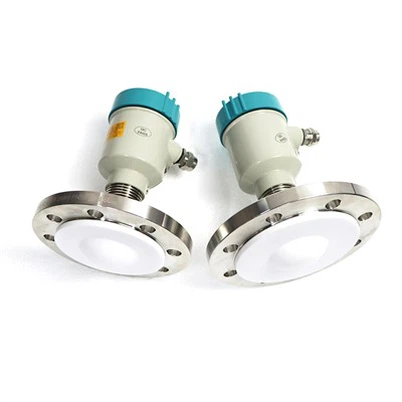
For example, our RF admittance level switch for measuring silo dust is specifically designed to work in dusty environments, such as silos and hoppers. It uses advanced RF technology to detect the level of dust accurately, even in challenging conditions.
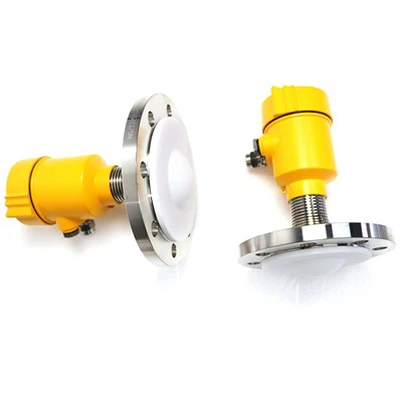
Our Admittance Level Switch is a versatile device that can be used in a variety of applications, including liquid and solid level detection. It features a robust design and a high level of sensitivity, making it suitable for use in demanding industrial environments.
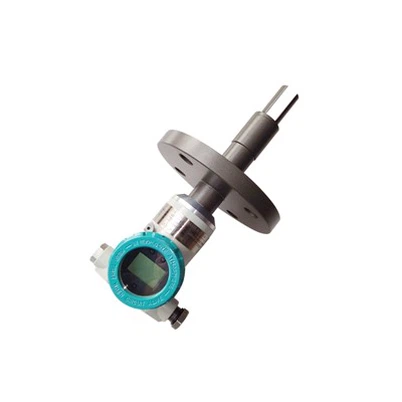
And our Industrial liquid level switch is designed to meet the strict safety requirements of industrial applications. It is explosion-proof and can be used in hazardous areas where there is a risk of explosion or fire.


Conclusion
In conclusion, the power supply requirement for an RF Admittance Switch is an important factor to consider when choosing a switch for your application. Whether you choose an AC or DC power supply, make sure to choose a power source that can provide a stable and reliable voltage to ensure the proper operation of the switch.
If you have any questions about our RF Admittance Switches or need help choosing the right power supply for your application, please don't hesitate to contact us. We're here to help you find the best solution for your needs.
References
- "RF Admittance Level Measurement Technology" - Journal of Industrial Instrumentation
- "Power Supply Design for Industrial Sensors" - IEEE Transactions on Industrial Electronics