

Can an Admittance Level Switch be used in a plastic industry?
Leave a message

Hey there! As a supplier of Admittance Level Switches, I often get asked whether these nifty devices can be used in the plastic industry. Well, let's dive right in and explore this topic together.
First off, let's understand what an Admittance Level Switch is. In simple terms, it's a device that can detect the level of a substance, whether it's a liquid, powder, or granular material. It works based on the principle of measuring the admittance, which is a combination of conductance and susceptance, between an electrode and a reference point. This measurement changes as the level of the substance around the electrode changes, allowing the switch to trigger an alarm or control a process when a certain level is reached.
Now, let's talk about the plastic industry. This industry is vast and diverse, encompassing everything from the production of raw plastic materials to the manufacturing of finished plastic products. In each stage of the plastic production process, there are various scenarios where level monitoring is crucial.
Plastic Resin Storage
One of the primary applications in the plastic industry is the storage of plastic resins. These resins come in the form of pellets or powders and are stored in large silos or hoppers. Maintaining the right level of resin in these storage containers is essential for a smooth production process. An Admittance Level Switch can be installed at different levels in the silo or hopper to monitor the resin level. When the level drops below a certain point, it can trigger an alarm to alert the operators to refill the container. Conversely, it can also prevent overfilling, which could lead to spills and waste.
Plastic Molding Processes
In plastic molding operations, such as injection molding or blow molding, the precise control of the plastic material level in the feeders is critical. If there isn't enough plastic in the feeder, the molded parts may come out defective. On the other hand, too much plastic can cause clogs and damage to the equipment. An Industrial liquid level switch can be used to ensure that the plastic material level in the feeder remains within the optimal range. It can send signals to the feeding system to start or stop the flow of plastic as needed.
Cooling Water Tanks
Plastic manufacturing processes often generate a lot of heat, and cooling water is used to keep the equipment at the right temperature. The level of water in the cooling water tanks needs to be monitored to ensure that there is enough water for effective cooling. An Admittance Level Switch can be installed in the cooling water tanks to detect the water level. If the water level gets too low, it can trigger an alarm or shut down the equipment to prevent overheating and damage.
Advantages of Using Admittance Level Switches in the Plastic Industry
There are several reasons why Admittance Level Switches are well-suited for the plastic industry.

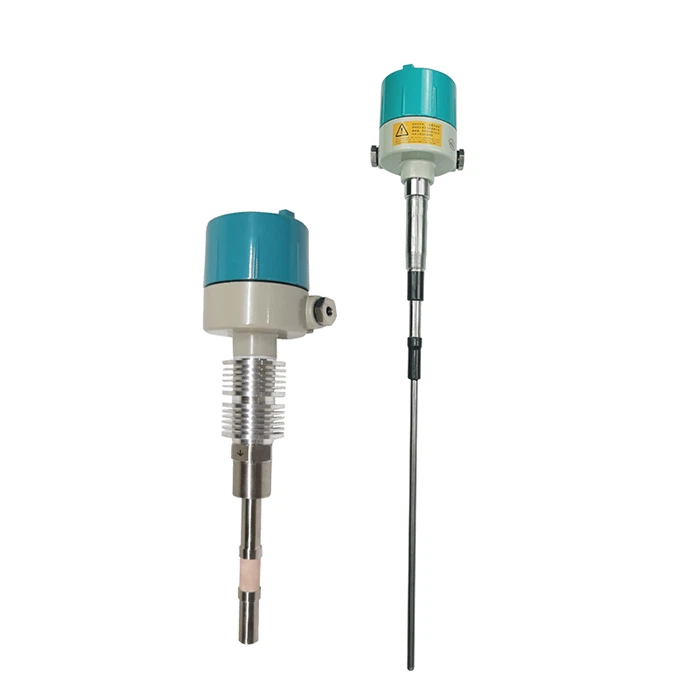
Versatility
These switches can be used with a wide range of plastic materials, whether they are in pellet, powder, or liquid form. They can also work in different environmental conditions, such as high temperatures and dusty environments, which are common in the plastic manufacturing process.
High Sensitivity
Admittance Level Switches are highly sensitive and can detect even small changes in the level of the plastic material. This allows for precise level control and reduces the risk of production errors.
Reliability
They are designed to be reliable and durable, with a long service life. They can withstand the harsh conditions in the plastic industry, such as vibrations, shocks, and chemical exposure.
Easy Installation and Maintenance
Admittance Level Switches are relatively easy to install and require minimal maintenance. This means less downtime for the production process and lower overall costs.
Considerations When Using Admittance Level Switches in the Plastic Industry
While Admittance Level Switches offer many advantages, there are also some considerations to keep in mind.
Material Compatibility
It's important to ensure that the materials used in the construction of the switch are compatible with the plastic materials being monitored. Some plastics may be corrosive or abrasive, and using an incompatible switch could lead to premature failure.
Environmental Conditions
As mentioned earlier, the plastic industry can have harsh environmental conditions. The switch needs to be able to withstand high temperatures, humidity, and dust. For example, in some cases, a Rf admittance level measurement device may be required if the operating temperature is very high.
Calibration
Proper calibration of the Admittance Level Switch is crucial for accurate level detection. The switch needs to be calibrated according to the specific properties of the plastic material and the operating conditions.
In conclusion, Admittance Level Switches can definitely be used in the plastic industry, and they offer many benefits in terms of level monitoring and control. Whether it's for resin storage, molding processes, or cooling water tanks, these switches can help improve the efficiency and reliability of the plastic manufacturing process.
If you're in the plastic industry and are looking for a reliable level monitoring solution, I'd love to have a chat with you. We can discuss your specific requirements and see how our Admittance Level Switches can meet your needs. Feel free to reach out to us to start the conversation about purchasing and find the best solution for your operations.
References
- "Level Measurement Handbook" by Endress+Hauser
- "Industrial Instrumentation and Control Handbook" by B.C. Nakra and K.K. Chaudhry





