
What is the noise immunity of an Admittance Level Switch?
Leave a message

What is the noise immunity of an Admittance Level Switch?
Hey there! As a supplier of Admittance Level Switches, I often get asked about the noise immunity of these nifty devices. So, let's dive right in and explore what it's all about.
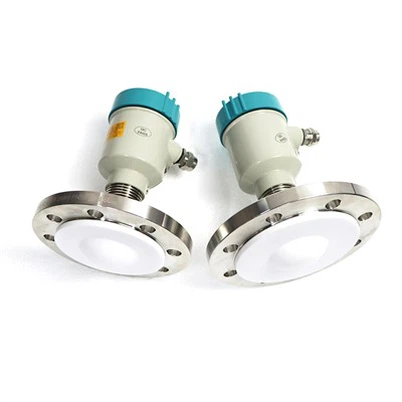
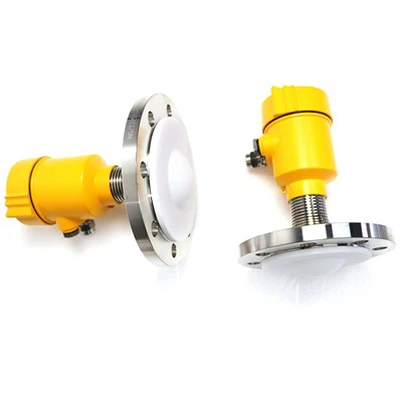
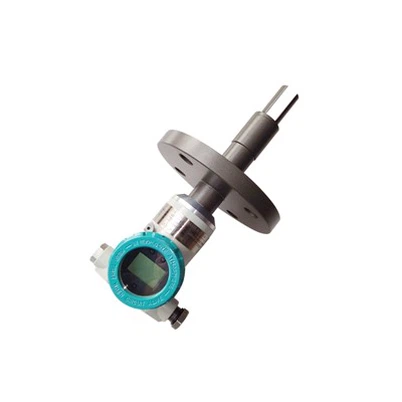
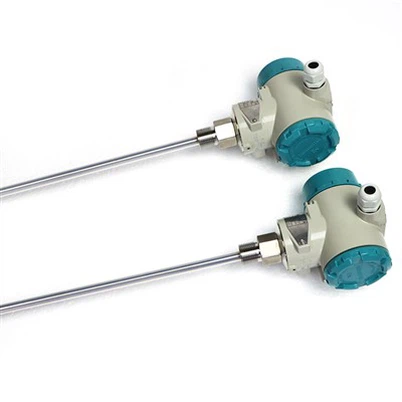
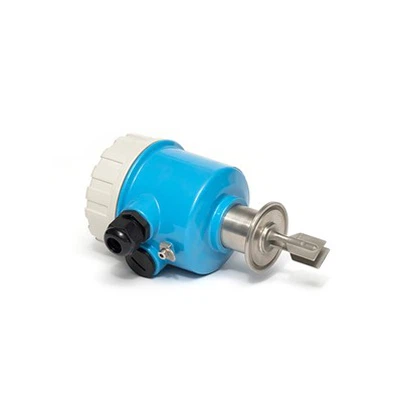
First off, let's quickly understand what an Admittance Level Switch is. An Admittance Level Switch, like the ones we offer at [normal to refer to self as a supplier], is a device used to detect the level of various substances in a container. It works based on the principle of measuring the admittance, which is the combination of conductance and susceptance, between the sensing electrode and the ground in the presence of a material. You can learn more about Admittance Level Switch on our website.
Now, what exactly is noise immunity? Noise in the context of an Admittance Level Switch refers to any unwanted electrical signals that can interfere with the accurate measurement of the admittance and thus affect the level detection. These noise signals can come from various sources. For example, electrical interference from nearby equipment, such as motors, generators, or other electrical appliances, can generate electromagnetic fields that can induce unwanted currents in the cables and components of the level switch.
Another source of noise could be the environment itself. In industrial settings, there might be high levels of electrical noise due to the presence of high - voltage power lines, welding equipment, or other heavy - duty machinery. In addition, radio frequency (RF) interference can also pose a problem. RF signals from communication devices, wireless networks, or even lightning strikes can cause disturbances in the operation of the Admittance Level Switch.
The noise immunity of an Admittance Level Switch is its ability to operate accurately and reliably in the presence of these unwanted noise signals. A switch with high noise immunity can effectively filter out the noise and focus on the relevant admittance changes caused by the presence or absence of the material being measured.
Let's talk about how we achieve good noise immunity in our Admittance Level Switches. One of the key features is the use of advanced signal processing algorithms. These algorithms are designed to analyze the incoming electrical signals and distinguish between the noise and the actual admittance changes related to the level of the material. By using digital signal processing techniques, we can filter out the high - frequency noise components that are often the most troublesome.
We also pay a lot of attention to the design of the hardware. The cables used in our switches are shielded to reduce the impact of external electromagnetic interference. The shielding acts as a barrier, preventing the unwanted electrical signals from reaching the sensitive components of the switch. Additionally, the internal circuitry of the switch is carefully designed with proper grounding and isolation techniques to minimize the coupling of noise into the system.
Another aspect is the use of frequency - selective circuits. Our Admittance Level Switches operate at specific frequencies, and the circuits are tuned to be sensitive only to the signals within that frequency range. This helps in rejecting the noise signals that are outside of this range. For example, if the switch is designed to operate at a particular RF frequency, it will ignore the noise signals at other frequencies.
The importance of noise immunity cannot be overstated. In applications where accurate level detection is crucial, such as in chemical processing plants, food and beverage industries, and water treatment facilities, a noisy level switch can lead to false alarms or inaccurate measurements. This can result in production delays, product quality issues, and even safety hazards.
For instance, in a chemical storage tank, if the Admittance Level Switch has poor noise immunity and gives false high - level alarms, it might trigger unnecessary shutdowns of the filling process, leading to wasted time and resources. On the other hand, false low - level alarms could cause the tank to run out of the chemical, which could disrupt the production process or even damage the equipment.
We have a wide range of Admittance Level Switches that are specifically engineered to have excellent noise immunity. Our products are suitable for different types of applications and environments. For example, if you are dealing with high - temperature applications, we have Rf admittance level measurement solutions that can withstand the heat while maintaining accurate level detection in the presence of noise.


If you are in the business of measuring fly ash material level, our RF admittance level transmitter for measuring fly ash material level is designed to be highly resistant to the electrical and dust - related noise typically found in such environments.
So, if you are looking for a reliable Admittance Level Switch with outstanding noise immunity, you've come to the right place. We are committed to providing you with high - quality products that meet your specific needs. Whether you are in a small - scale operation or a large industrial facility, our switches can offer you the accuracy and reliability you require.
If you're interested in learning more about our Admittance Level Switches or would like to discuss your specific requirements, don't hesitate to reach out. We're here to help you find the best solution for your level - detection needs. And if you're ready to make a purchase, just contact us, and we'll be glad to assist you through the procurement process. Let's work together to ensure your level - detection systems operate smoothly and accurately.
References:
- Principles of Industrial Instrumentation and Control
- Handbook of Level Measurement Techniques