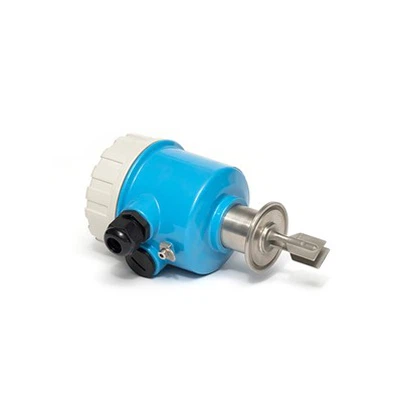

What is the effect of the radar wave diffraction on the Silo Radar Level Meter's measurement?
Leave a message

As a supplier of Silo Radar Level Meters, I've witnessed firsthand the challenges and nuances in level measurement. One critical phenomenon that can significantly impact the performance of these devices is radar wave diffraction. In this blog, we'll delve into the effects of radar wave diffraction on the Silo Radar Level Meter's measurement and explore how to mitigate its potential drawbacks.
Understanding Radar Wave Diffraction
Radar wave diffraction occurs when radar waves encounter an obstacle or pass through an aperture, causing the waves to bend around the edges and spread out. This phenomenon is governed by the principles of wave propagation and can have a profound impact on the accuracy and reliability of radar level measurements.
In the context of Silo Radar Level Meters, diffraction can occur when the radar waves encounter the silo walls, internal structures, or other objects within the silo. These obstacles can cause the radar waves to scatter, reflect, and diffract, leading to interference patterns and signal degradation.
Effects of Radar Wave Diffraction on Measurement
Signal Attenuation
One of the primary effects of radar wave diffraction is signal attenuation. As the radar waves diffract around obstacles, they spread out and lose energy, resulting in a weaker signal reaching the target surface. This can lead to reduced measurement accuracy, especially for long-range or low-reflectivity targets.
False Echoes
Diffraction can also cause the formation of false echoes. When the radar waves diffract around obstacles, they can create secondary reflections that mimic the echoes from the target surface. These false echoes can be misinterpreted by the radar level meter as the actual target, leading to inaccurate level readings.
Interference Patterns
In addition to false echoes, diffraction can also create interference patterns. When the diffracted waves interact with the direct waves or other diffracted waves, they can create constructive or destructive interference, resulting in fluctuations in the signal strength. These interference patterns can make it difficult for the radar level meter to accurately detect the target surface and determine the level.


Mitigating the Effects of Radar Wave Diffraction
Antenna Design
One of the most effective ways to mitigate the effects of radar wave diffraction is through proper antenna design. By using antennas with a narrow beamwidth and high directivity, the radar waves can be focused on the target surface, reducing the amount of diffraction and improving the signal strength.
Signal Processing
Another way to mitigate the effects of radar wave diffraction is through advanced signal processing techniques. By using algorithms that can filter out false echoes and interference patterns, the radar level meter can accurately detect the target surface and determine the level.
Installation Considerations
Proper installation of the radar level meter is also crucial for minimizing the effects of radar wave diffraction. By ensuring that the antenna is installed in a location that is free from obstacles and interference, the radar waves can propagate freely and reach the target surface without significant diffraction.
Real-World Applications
To illustrate the importance of understanding and mitigating the effects of radar wave diffraction, let's consider a real-world application. Suppose you are using a Silo Radar Level Meter to measure the level of a granular material in a silo. The silo has internal structures, such as support beams and baffles, that can cause radar wave diffraction.
If the radar level meter is not properly designed or installed, the diffraction can cause signal attenuation, false echoes, and interference patterns, leading to inaccurate level readings. However, by using an antenna with a narrow beamwidth and high directivity, advanced signal processing techniques, and proper installation, the effects of radar wave diffraction can be minimized, and the level can be measured accurately.
Conclusion
In conclusion, radar wave diffraction can have a significant impact on the performance of Silo Radar Level Meters. By understanding the principles of radar wave diffraction and implementing appropriate mitigation strategies, such as proper antenna design, advanced signal processing, and proper installation, the effects of diffraction can be minimized, and the measurement accuracy can be improved.
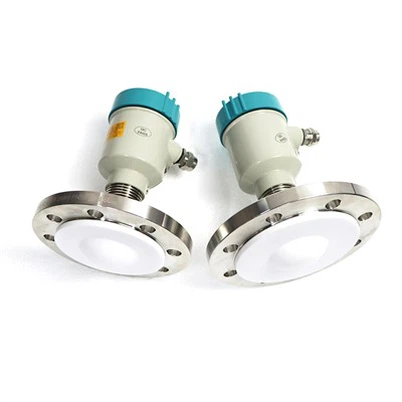
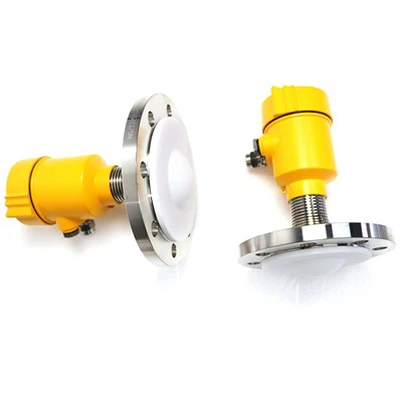
If you are in the market for a Silo Radar Level Meter, I encourage you to consider our DN100PN16 flange mounted radar level transmitter. Our radar level transmitters are designed with advanced technology and features to minimize the effects of radar wave diffraction and provide accurate and reliable level measurements.
For more information on our Radar tank level measurement and Hydrology Instruments, please visit our website or contact us to discuss your specific requirements. We look forward to working with you to provide the best level measurement solutions for your application.
References
- "Radar Level Measurement: Principles and Applications" by Peter J. Moore
- "Electromagnetic Waves and Radiating Systems" by John D. Kraus
- "Signal Processing for Radar Systems" by Mark A. Richards