

What if the Magnetostrictive Level Gauge shows incorrect readings?
Leave a message

What if the Magnetostrictive Level Gauge shows incorrect readings? Well, as a supplier of Magnetostrictive Level Gauges, I've seen this issue pop up more often than I'd like. And let me tell you, it can be a real headache for both us and our customers.
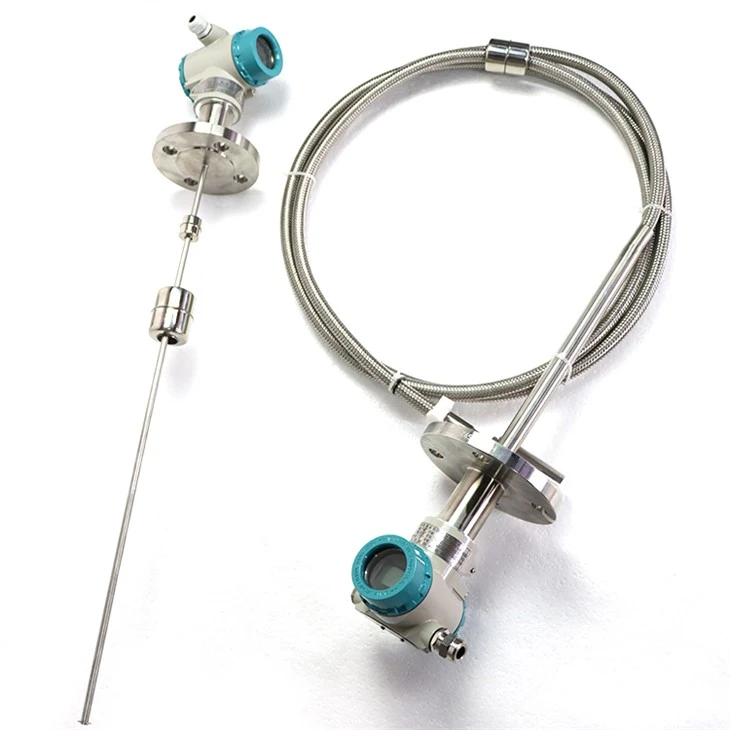
First off, let's understand what a Magnetostrictive Level Gauge is. It's a nifty device that uses the principle of magnetostriction to measure the level of liquids in a tank. A magnetostrictive sensor is installed inside the tank, and a float with a permanent magnet moves up and down with the liquid level. When an electrical pulse is sent through the sensor, it creates a torsional wave that travels along the sensor until it reaches the magnet in the float. The time it takes for the wave to travel is then used to calculate the liquid level.
So, what could go wrong and cause incorrect readings? There are several factors that could be at play.
1. Installation Issues
One of the most common reasons for inaccurate readings is improper installation. If the gauge isn't installed correctly, it can lead to all sorts of problems. For example, if the sensor isn't installed vertically, the float might not move freely, which can cause the readings to be off. Also, if the gauge is installed too close to other equipment that generates magnetic fields, it can interfere with the magnetostrictive effect.
To avoid installation issues, it's crucial to follow the manufacturer's instructions carefully. Make sure the sensor is installed vertically and away from any sources of magnetic interference. If you're not sure how to install the gauge, it's always a good idea to hire a professional.
2. Environmental Factors
The environment where the gauge is installed can also have an impact on its performance. Extreme temperatures, humidity, and vibrations can all affect the accuracy of the readings. For instance, high temperatures can cause the sensor to expand, which can change its properties and lead to incorrect readings. Similarly, vibrations can cause the float to move erratically, making it difficult to get an accurate measurement.
To mitigate the effects of environmental factors, you can choose a gauge that's designed to withstand harsh conditions. Some gauges come with features like temperature compensation and vibration damping to ensure accurate readings even in challenging environments. You can also install the gauge in a protected area to minimize the impact of external factors.
3. Float Problems
The float is a critical component of the Magnetostrictive Level Gauge, and any issues with it can lead to inaccurate readings. If the float is damaged or has a leak, it might not float properly, which can cause the readings to be incorrect. Also, if the float gets stuck or doesn't move freely, it can affect the measurement.
Regular maintenance is essential to keep the float in good condition. Check the float for any signs of damage or wear and tear, and replace it if necessary. Make sure the float moves freely along the sensor and isn't obstructed by any debris.
4. Electrical Interference
Electrical interference can also cause problems with the Magnetostrictive Level Gauge. If there are other electrical devices nearby that generate electromagnetic fields, they can interfere with the signal from the gauge. This can result in inaccurate readings or even cause the gauge to malfunction.
To reduce the risk of electrical interference, make sure the gauge is properly grounded. You can also use shielded cables to connect the gauge to the control system. If possible, keep the gauge away from other electrical equipment that generates strong electromagnetic fields.
5. Sensor Degradation
Over time, the sensor in the Magnetostrictive Level Gauge can degrade, which can affect its performance. This can be due to normal wear and tear or exposure to harsh chemicals or other contaminants. As the sensor degrades, it might not be able to generate or detect the torsional wave accurately, which can lead to incorrect readings.
To prevent sensor degradation, it's important to choose a high-quality gauge from a reputable manufacturer. Also, make sure to follow the recommended maintenance schedule to keep the sensor in good condition. If the sensor starts to show signs of degradation, it's usually best to replace it to ensure accurate readings.
Solutions to Incorrect Readings
If you're experiencing incorrect readings from your Magnetostrictive Level Gauge, here are some steps you can take to fix the problem:

- Check the Installation: Make sure the gauge is installed correctly and that the sensor is vertical and away from any sources of magnetic interference.
- Inspect the Float: Check the float for any damage or leaks, and make sure it moves freely along the sensor.
- Test the Environment: Check the temperature, humidity, and vibration levels in the area where the gauge is installed. If necessary, take steps to mitigate the effects of these factors.
- Check for Electrical Interference: Make sure the gauge is properly grounded and that there are no other electrical devices nearby that are generating electromagnetic fields.
- Perform Maintenance: Follow the manufacturer's recommended maintenance schedule to keep the gauge in good condition. This might include cleaning the sensor, checking the connections, and replacing any worn-out parts.
Our Products and Solutions
As a supplier of Magnetostrictive Level Gauges, we offer a wide range of products to meet your needs. Our Steel cable type Magnetostrictive Level Transmitter is a popular choice for applications where a high level of accuracy is required. It's designed to withstand harsh environments and provides reliable and accurate readings.
We also offer the Magnetic float type level gauge, which is a cost-effective solution for many applications. It's easy to install and maintain, and it provides accurate readings even in challenging conditions.
If you're looking for a more compact and versatile solution, our Float level sensor might be the right choice for you. It's suitable for a wide range of liquids and can be used in various industries.
Contact Us for Purchasing
If you're experiencing issues with your Magnetostrictive Level Gauge or if you're looking to purchase a new one, don't hesitate to contact us. Our team of experts is always ready to help you find the right solution for your needs. We can provide you with detailed information about our products, offer technical support, and assist you with the installation and maintenance of your gauge.
Whether you're a small business or a large corporation, we have the products and expertise to meet your requirements. So, if you're in the market for a reliable and accurate Magnetostrictive Level Gauge, give us a call or send us an email today. Let's work together to ensure that your liquid level measurements are always on point.
References
- "Magnetostrictive Level Measurement Technology" - Manufacturer's Manual
- "Installation and Maintenance Guide for Magnetostrictive Level Gauges" - Industry Handbook





