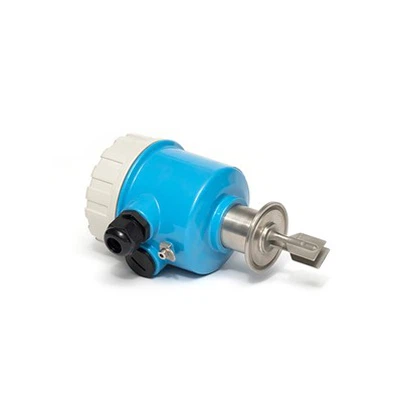

Can a Radar Level Meter measure the level of granular solids?
Leave a message

Can a Radar Level Meter measure the level of granular solids?
Hey there! I'm a supplier of Radar Level Meters, and I often get asked this question: Can a radar level meter measure the level of granular solids? Well, let's dive right into it.
First off, what exactly are granular solids? Granular solids are materials made up of small, discrete particles. Think of things like grains, sand, plastic pellets, or even cement powder. These materials are commonly used in industries such as agriculture, mining, food processing, and chemical manufacturing. Measuring the level of these granular solids accurately is crucial for efficient operation and inventory management.
Now, let's talk about radar level meters. Radar level meters work by emitting electromagnetic waves towards the surface of the material being measured. These waves bounce off the surface and return to the sensor. By measuring the time it takes for the waves to travel to the surface and back, the radar level meter can calculate the distance to the surface and thus determine the level of the material.
So, can they measure the level of granular solids? The short answer is yes, but there are some factors to consider.
One of the main factors is the dielectric constant of the granular solid. The dielectric constant is a measure of how easily a material can store electrical energy in an electric field. Materials with a high dielectric constant reflect radar waves more effectively than those with a low dielectric constant. Most granular solids have a relatively low dielectric constant, which can make it a bit more challenging for the radar level meter to detect the surface accurately. However, modern radar level meters are designed to handle low dielectric constant materials. They use advanced signal processing techniques to enhance the signal strength and improve the measurement accuracy.
Another factor is the surface characteristics of the granular solids. Granular solids can have uneven surfaces, which can cause the radar waves to scatter in different directions. This scattering can lead to inaccurate measurements. To overcome this issue, some radar level meters are equipped with special antennas and algorithms that can compensate for the uneven surfaces. These features help to ensure that the radar waves are focused on the surface of the material and that the measurement is as accurate as possible.
The dust and humidity in the environment can also affect the performance of the radar level meter. Granular solids often generate dust during handling and storage. The dust can absorb and scatter the radar waves, reducing the signal strength and making it more difficult to measure the level accurately. High humidity can also have a similar effect. However, many radar level meters are designed to be dust and humidity resistant. They have protective enclosures and filters that can prevent dust and moisture from entering the sensor and affecting the measurement.
Now, let's take a look at some of the benefits of using a radar level meter to measure the level of granular solids. One of the biggest advantages is the non-contact measurement. Unlike other level measurement technologies, such as mechanical or ultrasonic level sensors, radar level meters do not come into direct contact with the material being measured. This means that there is no risk of contamination or damage to the sensor. It also makes the radar level meter suitable for measuring the level of corrosive or abrasive granular solids.
Another benefit is the high accuracy and reliability. Radar level meters can provide accurate measurements even in challenging environments. They are not affected by changes in temperature, pressure, or density of the material being measured. This makes them a great choice for applications where precise level measurement is required.
Radar level meters are also easy to install and maintain. They can be installed on top of the storage tank or silo without the need for any special mounting equipment. Once installed, they require very little maintenance. Most radar level meters are self-diagnostic and can detect any faults or issues automatically. This makes it easy for the operators to troubleshoot and fix any problems quickly.
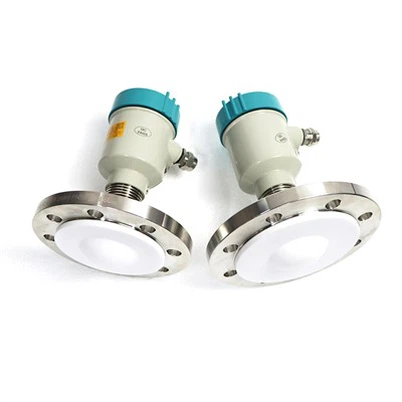
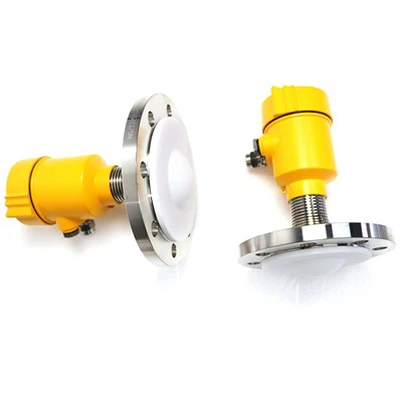
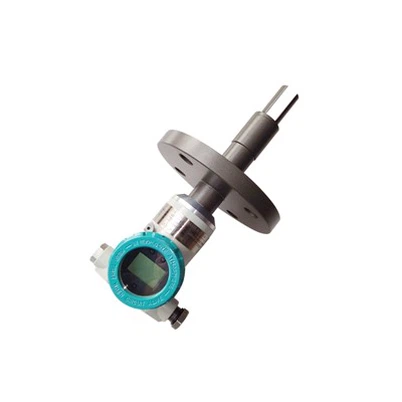
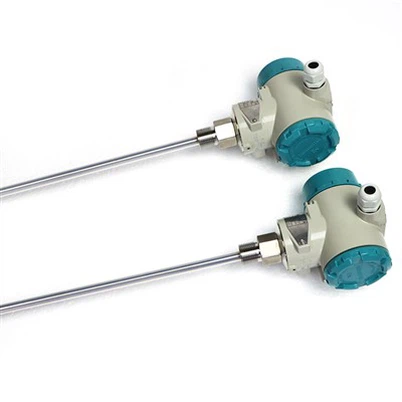
If you're in the market for a radar level meter to measure the level of granular solids, I recommend checking out our Radar Level Transmitters. Our radar level transmitters are designed to provide accurate and reliable level measurements for a wide range of granular solids. They are equipped with the latest technology and features to ensure optimal performance in challenging environments.


Whether you're in the agriculture, mining, food processing, or chemical manufacturing industry, our radar level transmitters can help you improve your operational efficiency and inventory management. If you have any questions or would like to discuss your specific requirements, please don't hesitate to get in touch. We're here to help you find the best solution for your needs.
In conclusion, a radar level meter can definitely measure the level of granular solids. While there are some challenges to overcome, modern radar level meters are designed to handle these challenges effectively. They offer accurate and reliable level measurements, non-contact operation, and easy installation and maintenance. So, if you're looking for a reliable way to measure the level of your granular solids, a radar level meter is definitely worth considering.
References
- "Radar Level Measurement Technology: Principles and Applications" by [Author's Name]
- "Level Measurement in Granular Solids: Challenges and Solutions" by [Author's Name]
- Manufacturer's documentation for radar level meters