
What are the chemical resistance requirements for capacitive level sensors in the chemical industry?
Leave a message

In the chemical industry, accurate level measurement is crucial for ensuring the safety, efficiency, and quality of various processes. Capacitive level sensors have emerged as a popular choice for level monitoring due to their reliability, versatility, and ability to work in a wide range of applications. However, when it comes to using capacitive level sensors in chemical environments, chemical resistance becomes a key factor that cannot be overlooked. As a leading supplier of capacitive level sensors, we understand the importance of chemical resistance and are committed to providing high-quality sensors that meet the demanding requirements of the chemical industry.
Understanding Capacitive Level Sensors
Capacitive level sensors operate based on the principle of capacitance, which is the ability of a system to store an electric charge. In a capacitive level sensor, two electrodes are used to create an electric field. When the level of the substance being measured changes, the dielectric constant between the electrodes changes, which in turn affects the capacitance. By measuring this change in capacitance, the sensor can determine the level of the substance.
These sensors are known for their non-contact measurement capabilities, which make them suitable for a variety of applications, including those involving corrosive, viscous, or conductive liquids. They can also be used in applications where the substance being measured has a high temperature or pressure.
Chemical Resistance Requirements in the Chemical Industry
The chemical industry deals with a wide range of chemicals, each with its own unique properties and potential to cause damage to equipment. When using capacitive level sensors in this environment, it is essential to ensure that the sensors have the appropriate chemical resistance to withstand the chemicals they will come into contact with.
Corrosive Chemicals
Many chemicals used in the chemical industry are highly corrosive, such as acids, alkalis, and solvents. These chemicals can react with the materials used in the construction of the capacitive level sensor, causing corrosion, degradation, and ultimately, failure of the sensor. For example, hydrochloric acid is a strong acid that can corrode metals, while sodium hydroxide is a strong alkali that can attack certain plastics and rubbers.
To ensure chemical resistance against corrosive chemicals, the materials used in the construction of the sensor must be carefully selected. For the sensor's probe, materials such as stainless steel, titanium, or PTFE (polytetrafluoroethylene) are commonly used due to their excellent corrosion resistance. Stainless steel is a popular choice for its strength and resistance to many chemicals, while titanium is known for its high corrosion resistance in harsh environments. PTFE is a fluoropolymer that is highly resistant to a wide range of chemicals and has a low coefficient of friction, making it suitable for use in applications where the sensor may come into contact with sticky or viscous substances.


High-Temperature Chemicals
In addition to corrosive chemicals, the chemical industry also often deals with high-temperature processes. High temperatures can accelerate chemical reactions and increase the rate of corrosion, making it even more important for the capacitive level sensor to have good thermal stability and chemical resistance at elevated temperatures.
Materials that can withstand high temperatures without losing their chemical resistance are essential. For example, ceramic materials are known for their high-temperature resistance and can be used in the construction of the sensor's electrodes or insulation. Some advanced polymers can also maintain their chemical resistance properties at high temperatures, providing a suitable alternative for certain applications.
Abrasive Chemicals
Some chemicals or substances in the chemical industry may contain abrasive particles, such as slurries or powders. These abrasive materials can cause wear and tear on the sensor's probe, reducing its lifespan and accuracy. To ensure the sensor can withstand abrasive chemicals, the probe may be coated with a hard, wear-resistant material, such as tungsten carbide or diamond-like carbon.
Our Capacitive Level Sensors and Chemical Resistance
As a capacitive level sensor supplier, we offer a wide range of sensors that are designed to meet the chemical resistance requirements of the chemical industry. Our sensors are constructed using high-quality materials that have been carefully selected for their chemical resistance, durability, and performance.
Probe Materials
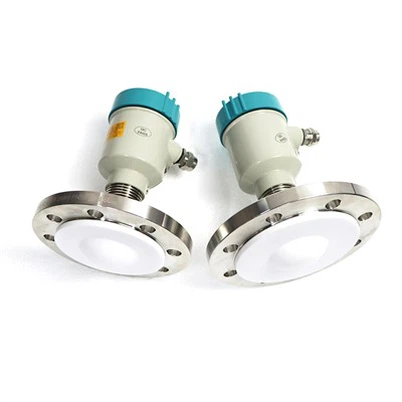
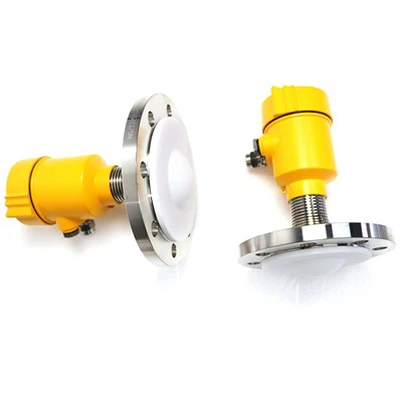
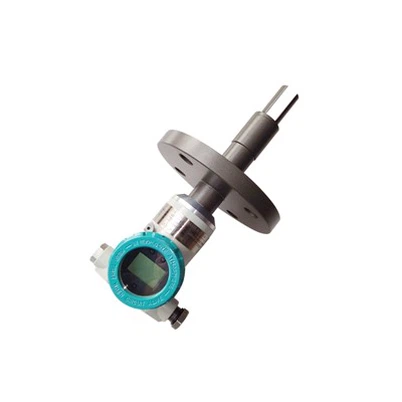
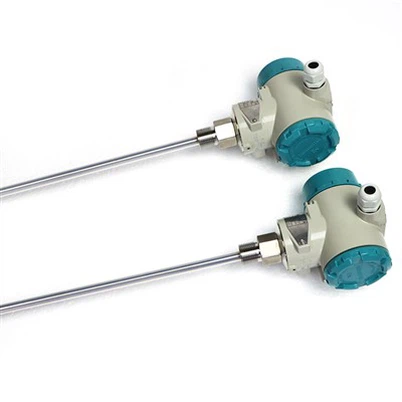
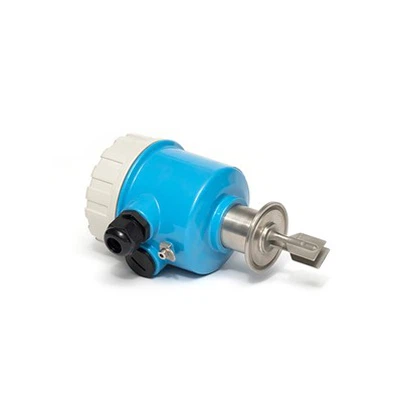
Our sensors feature probes made from a variety of materials, including stainless steel, titanium, and PTFE. We offer Chinese factory manufacturing capacitor level gauge that are available in different configurations to suit various applications. For example, our stainless steel probes are suitable for general-purpose applications where corrosion resistance is required, while our titanium probes are ideal for use in highly corrosive environments. Our PTFE-coated probes provide excellent chemical resistance and are suitable for applications involving sticky or viscous substances.
Sensor Housing
The housing of our capacitive level sensors is also designed to provide protection against chemicals. We use materials such as polycarbonate or fiberglass-reinforced plastic (FRP) for the housing, which offer good chemical resistance and mechanical strength. The housing is sealed to prevent the ingress of chemicals, ensuring the long-term reliability of the sensor.
Advanced Coatings and Treatments
In addition to using high-quality materials, we also apply advanced coatings and treatments to our sensors to enhance their chemical resistance. For example, some of our sensors are coated with a special anti-corrosion coating that provides an extra layer of protection against corrosive chemicals. We also offer sensors with a hydrophobic coating, which can prevent the adhesion of liquids and reduce the risk of contamination.
Applications of Our Capacitive Level Sensors in the Chemical Industry
Our capacitive level sensors are widely used in various applications in the chemical industry, including:
- Storage Tanks: Monitoring the level of chemicals in storage tanks is essential for ensuring safe storage and preventing overfilling or running out of chemicals. Our sensors can accurately measure the level of liquids in storage tanks, even in the presence of corrosive or viscous chemicals.
- Reaction Vessels: In chemical reactions, it is important to maintain the correct level of reactants and products. Our capacitive level sensors can be used to monitor the level in reaction vessels, providing real-time data to ensure the smooth operation of the reaction.
- Pipelines: Monitoring the level of chemicals in pipelines is crucial for detecting leaks and ensuring the proper flow of chemicals. Our sensors can be installed in pipelines to provide continuous level monitoring and early warning of any potential issues.
Contact Us for Your Capacitive Level Sensor Needs
If you are in the chemical industry and are looking for high-quality capacitive level sensors with excellent chemical resistance, we are here to help. Our team of experts can work with you to understand your specific requirements and recommend the most suitable sensor for your application. Whether you need a standard sensor or a customized solution, we have the expertise and resources to meet your needs.
We also offer Rf admittance type level switch and Capacitive Level Gauge that are designed to provide reliable level measurement in a variety of chemical environments. Contact us today to discuss your requirements and start the procurement process. We look forward to working with you to ensure the success of your chemical processes.
References
- ASTM International. (2023). ASTM standards related to chemical resistance testing of materials.
- Chemical Engineering Handbook. (2022). McGraw-Hill.
- Manufacturer's documentation for capacitive level sensors.