

Is a Radar Water Level Gauge suitable for measuring water levels in rivers?
Leave a message

Is a Radar Water Level Gauge suitable for measuring water levels in rivers?
As a supplier of radar water level gauges, I've been frequently asked whether our product is suitable for measuring water levels in rivers. This question is crucial for many applications, including flood control, water resource management, and environmental monitoring. In this blog post, I'll delve into the technical aspects, advantages, and limitations of using radar water level gauges in river environments.
Technical Principles of Radar Water Level Gauges
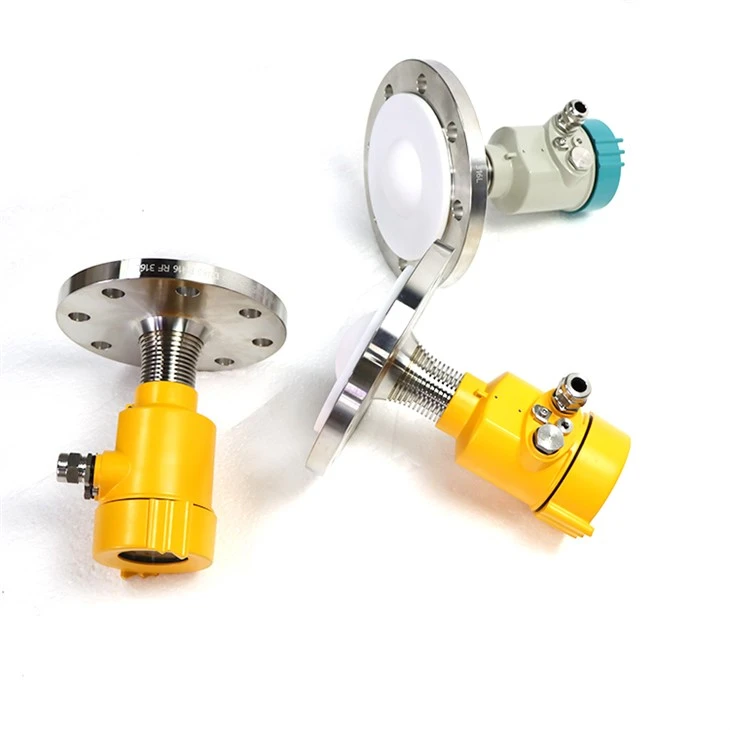
Radar water level gauges operate on the principle of sending out electromagnetic waves. These waves travel towards the water surface and then bounce back when they hit the water. By measuring the time it takes for the waves to return, the gauge can calculate the distance between the gauge and the water surface. This distance, combined with the known height of the gauge above a fixed reference point, allows for the determination of the water level.
The technology used in radar water level gauges provides accurate and reliable measurements. Unlike traditional mechanical or ultrasonic gauges, radar gauges are not affected by factors such as humidity, dust, or the presence of steam. This makes them highly suitable for use in various outdoor environments, including rivers.
Advantages of Using Radar Water Level Gauges in Rivers
Precision and Accuracy
One of the significant advantages of radar water level gauges is their high precision. They can provide measurements with an accuracy of up to a few millimeters. This level of accuracy is crucial for applications such as flood warning systems, where even a small error in water level measurement can lead to significant consequences.
For example, in flood-prone areas, accurate water level data can help authorities make timely decisions regarding evacuation and flood control measures. Radar water level gauges can continuously monitor the water level in rivers, providing real-time data that can be used for early warning and response.
Non - Contact Measurement
Radar water level gauges offer non-contact measurement, which means they do not need to come into direct contact with the water. This is a major advantage in river environments, where water can be dirty, contain debris, or have a high flow velocity. Non-contact measurement eliminates the risk of damage to the gauge due to corrosion, fouling, or mechanical stress caused by the water flow.
In addition, non-contact measurement reduces maintenance requirements. Traditional gauges that are in direct contact with the water may need frequent cleaning and calibration to ensure accurate measurements. In contrast, radar water level gauges only require occasional inspection and maintenance, saving time and resources.
Wide Range of Applications
Apart from measuring water levels in rivers, radar water level gauges have a wide range of applications. For example, they can be used for Radar tank level measurement, where they can accurately measure the level of liquids in tanks. They are also suitable for Non contact high-temperature radar liquid level measurement, such as in industrial processes where high temperatures are involved. Additionally, they can be used as Grain bin level sensors to measure the level of grains in silos.
Resistance to Environmental Factors
Radar water level gauges are designed to withstand harsh environmental conditions. They can operate in extreme temperatures, from very cold to very hot, and are resistant to rain, wind, and sunlight. This makes them ideal for long-term deployment in outdoor river environments, where they need to function reliably for extended periods.
Limitations of Using Radar Water Level Gauges in Rivers
Surface Conditions
While radar water level gauges are generally robust, the surface conditions of the water can affect their accuracy. For example, if the river surface is extremely rough, with large waves or foam, the radar waves may scatter in different directions, leading to inaccurate reflections. In such cases, the gauge may measure multiple distances, making it difficult to determine the true water level.
However, modern radar water level gauges are equipped with advanced signal processing algorithms that can filter out noise and compensate for surface roughness to a certain extent. This helps to improve the accuracy of measurements even in challenging surface conditions.
Installation Requirements
Proper installation is crucial for the effective operation of radar water level gauges. The gauge needs to be installed at an appropriate height and angle above the water surface to ensure that the radar waves are directed towards the water and can return accurately. In rivers, factors such as the presence of bridges, banks, or nearby structures can affect the installation.
Additionally, the installation location needs to be carefully selected to avoid interference from other sources, such as electrical equipment or other radar devices. This requires careful planning and site assessment before installation.
Cost
Compared to some traditional water level measurement devices, radar water level gauges can be more expensive. The initial purchase cost, as well as the cost of installation and calibration, may be higher. However, considering their long - term reliability, accuracy, and low maintenance requirements, the overall cost of ownership over the gauge's lifespan can be competitive.
Case Studies
Several successful case studies demonstrate the effectiveness of using radar water level gauges in rivers. In a large river in a flood - prone region, a local water management authority installed a network of radar water level gauges to monitor the water level in real - time. The gauges provided accurate data, which allowed the authority to issue timely flood warnings and implement flood control measures. This significantly reduced the damage caused by floods and improved the safety of the local community.
In another case, a research institution used radar water level gauges to study the water level changes in a river over a long period. The non - contact nature of the gauges allowed for continuous and uninterrupted data collection, which was crucial for the research. The accurate data obtained from the gauges helped the researchers to better understand the river's hydrological characteristics and develop more effective water management strategies.
Conclusion
In conclusion, radar water level gauges are generally suitable for measuring water levels in rivers. Their high precision, non - contact measurement, resistance to environmental factors, and wide range of applications make them a valuable tool for river water level monitoring. While they do have some limitations, such as sensitivity to surface conditions, installation requirements, and cost, these can be mitigated through proper design, installation, and management.
If you are considering using radar water level gauges for your river water level monitoring project, I encourage you to get in touch with us to discuss your specific requirements. Our team of experts can provide you with detailed information, technical support, and guidance on selecting and installing the most suitable radar water level gauges for your needs. Contact us to start the procurement negotiation process and find the best solution for your water level measurement needs.

References
- [Author's Name]. "Fundamentals of Radar Water Level Measurement". Publication Name, Year of Publication.
- [Another Author's Name]. "Case Studies in River Water Level Monitoring with Radar Gauges". Journal Name, Date of Publication.





