
Is a capacitive fuel level sensor resistant to fuel corrosion?
Leave a message

Hey there! As a supplier of Capacitive Fuel Level Sensors, I often get asked if these sensors are resistant to fuel corrosion. It's a super important question, especially when you're dealing with the storage and management of fuel. So, let's dive right in and explore this topic.
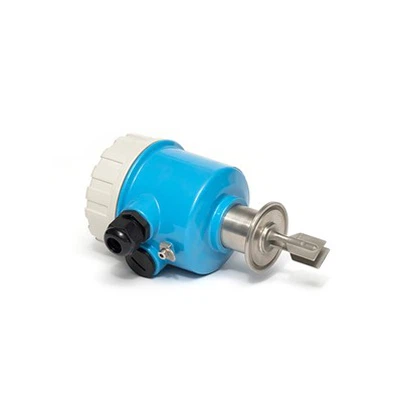
First off, let's understand what a capacitive fuel level sensor is and how it works. In simple terms, Capacitive sensor, used to measure the fuel level in the fuel tank operates based on the principle of capacitance. Capacitance is the ability of a system to store an electrical charge. In a fuel tank, the sensor consists of two conductive plates separated by a dielectric material, which in this case is the fuel. As the fuel level changes, the capacitance between the plates also changes. This change in capacitance is then converted into an electrical signal that can be used to determine the fuel level.
Now, let's talk about fuel corrosion. Fuel, especially gasoline and diesel, contains various chemicals and additives that can be corrosive over time. These corrosive substances can attack the materials used in the construction of the fuel level sensor, leading to damage and ultimately failure. Corrosion can cause issues such as inaccurate readings, short circuits, and even complete sensor breakdown.
So, is a capacitive fuel level sensor resistant to fuel corrosion? The answer is, it depends. The resistance of a capacitive fuel level sensor to fuel corrosion largely depends on the materials used in its construction. High - quality sensors are typically made with materials that are specifically chosen for their resistance to fuel.
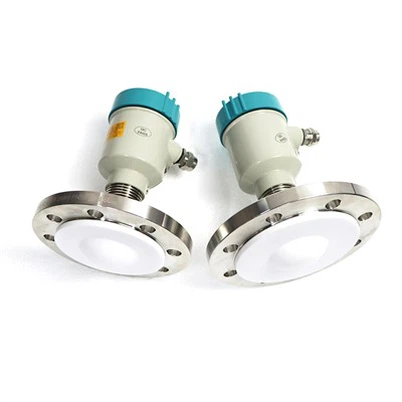
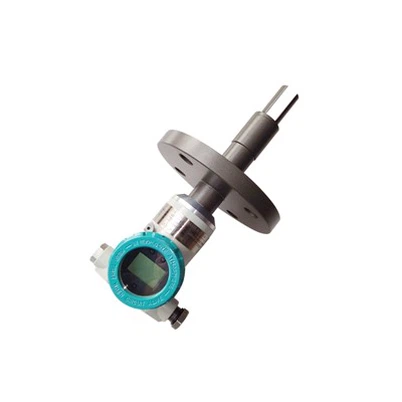
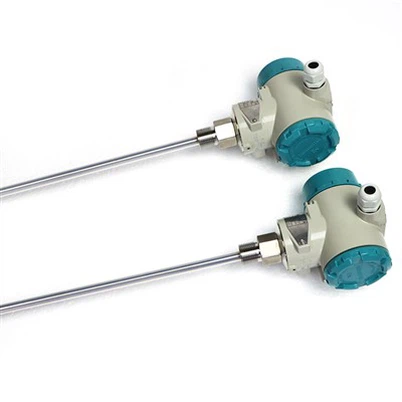
For example, many modern capacitive fuel level sensors use stainless steel or other corrosion - resistant metals for their outer casing. Stainless steel is known for its excellent resistance to a wide range of chemicals, including those found in fuel. It forms a passive oxide layer on its surface that protects it from further corrosion. This means that the sensor can withstand the harsh environment inside a fuel tank for a long time without being damaged by the fuel.
In addition to the outer casing, the internal components of the sensor also need to be protected. The electrodes and the electronic circuits inside the sensor are usually coated with a special insulating material. This coating acts as a barrier between the components and the fuel, preventing the fuel from coming into direct contact with them. This is crucial because if the fuel were to reach the electronic components, it could cause short circuits and damage the sensor.
Another factor that affects the corrosion resistance of a capacitive fuel level sensor is the quality of the manufacturing process. Sensors that are well - made with proper seals and coatings are more likely to be resistant to fuel corrosion. A good manufacturing process ensures that there are no gaps or weak points in the sensor where the fuel could seep in and cause damage.
However, it's important to note that even the most corrosion - resistant sensors have their limits. Over time, continuous exposure to fuel can still cause some degree of wear and tear. Factors such as the type of fuel, the temperature, and the presence of impurities in the fuel can all accelerate the corrosion process. For example, if the fuel contains a high level of sulfur or other contaminants, it can be more corrosive than clean fuel.
To ensure the long - term performance and reliability of a capacitive fuel level sensor, regular maintenance is essential. This includes inspecting the sensor for signs of corrosion or damage, cleaning it if necessary, and replacing any worn - out parts. By taking these steps, you can extend the lifespan of the sensor and ensure that it continues to provide accurate fuel level readings.


Now, let's take a look at some of the advantages of using a capacitive fuel level sensor in a fuel system. One of the main benefits is its high level of accuracy. Capacitive sensors can provide very precise fuel level readings, which is crucial for applications where accurate fuel management is required. Whether it's in a vehicle, a generator, or a large - scale fuel storage facility, having an accurate fuel level sensor can help you optimize fuel usage and avoid running out of fuel unexpectedly.
Another advantage is the durability of capacitive fuel level sensors. As we've discussed, when made with high - quality materials and a good manufacturing process, these sensors can be highly resistant to fuel corrosion and other environmental factors. This means that they can last for a long time without needing frequent replacement, which can save you money in the long run.
Capacitive fuel level sensors are also relatively easy to install and maintain. They can be easily integrated into existing fuel systems, and their simple design makes them straightforward to troubleshoot and repair if necessary.
If you're in the market for a reliable and corrosion - resistant capacitive fuel level sensor, we've got you covered. Our sensors are made with the highest quality materials and undergo strict quality control measures to ensure their performance and durability.
We also offer a range of related products, such as the Capacitance Type Level Switch, which can be used in conjunction with our fuel level sensors for more comprehensive fuel management. And if you're looking for a 4 - 20mA capacitive water level gauge, we have that too!
If you're interested in learning more about our capacitive fuel level sensors or have any questions regarding fuel level measurement and management, don't hesitate to reach out. We're always happy to have a chat about your specific needs and find the best solution for you. Whether you're a small - scale user or a large - scale industrial customer, we're here to help you get the most out of your fuel system.
In conclusion, while capacitive fuel level sensors can be resistant to fuel corrosion when constructed with the right materials and manufacturing processes, proper maintenance is key to ensuring their long - term performance. By choosing a high - quality sensor and taking good care of it, you can enjoy accurate fuel level monitoring and reliable operation for years to come.
References
- Material science and engineering textbooks on corrosion resistance
- Technical documentation from capacitive fuel level sensor manufacturers