
Is a 26G Radar Level Meter affected by electromagnetic interference?
Leave a message

Yo! As a supplier of 26G Radar Level Meters, I often get asked if these nifty devices are affected by electromagnetic interference. Well, let's dive right into this topic and break it down in a way that's easy to understand.
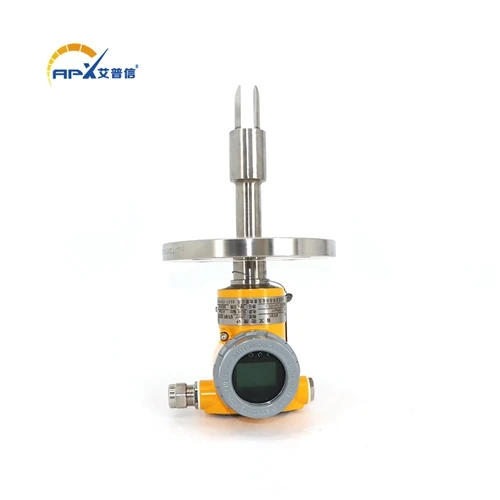
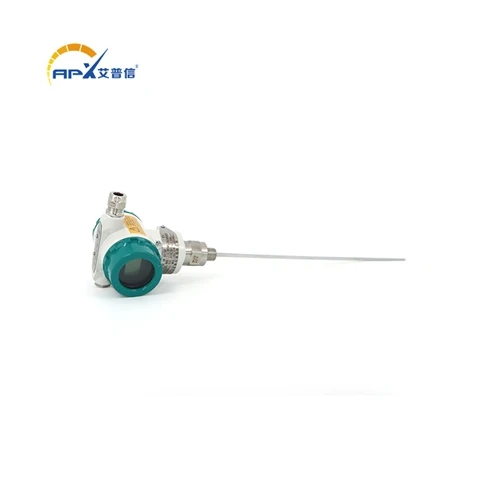
First off, what exactly is a 26G Radar Level Meter? It's a high - tech tool designed to measure the level of liquids or solids in tanks, silos, or other containers. The "26G" refers to the frequency at which the radar operates. This higher frequency allows for more accurate and precise measurements, even in challenging environments.
Now, onto the main question: Can electromagnetic interference (EMI) mess with a 26G Radar Level Meter? To answer that, we need to understand what EMI is. EMI is basically unwanted electromagnetic signals that can come from a variety of sources, like power lines, electrical motors, or other electronic devices. These signals can cause disruptions in the normal operation of electronic equipment.
Most modern 26G Radar Level Meters are built with some level of protection against EMI. Manufacturers know that these meters are often used in industrial settings where there are plenty of potential sources of interference. They use shielding techniques, both internal and external, to prevent external electromagnetic fields from getting into the sensitive parts of the meter.
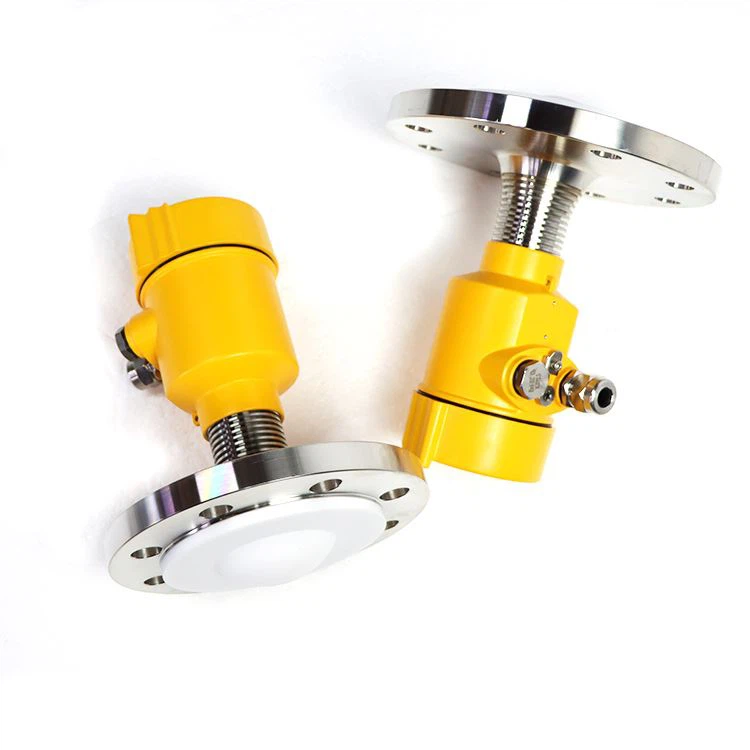
Internal shielding involves placing metal enclosures around the electronic components inside the meter. These enclosures act like a cage, blocking out unwanted electromagnetic waves. External shielding can be in the form of a protective housing that surrounds the entire meter. It's kind of like putting a suit of armor on the device.
But even with these protections, there's no guarantee that a 26G Radar Level Meter is completely immune to EMI. In really harsh environments, where there are extremely strong electromagnetic fields, there could still be some issues. For example, if a level meter is placed too close to a large industrial motor that generates a lot of electromagnetic noise, it might experience some glitches in its readings.
One of the ways to tell if EMI is affecting a 26G Radar Level Meter is to look for inconsistent readings. If the meter is giving levels that seem to jump around randomly, or if the readings don't match what you'd expect based on other indicators, EMI could be the culprit. Another sign could be error messages on the meter's display. Some meters are equipped with diagnostic systems that will alert you if they detect a problem that might be related to EMI.
So, what can you do if you suspect EMI is affecting your 26G Radar Level Meter? First, try to relocate the meter. Moving it away from potential sources of interference can often solve the problem. You can also check if the shielding on the meter is intact. If it's damaged, it might need to be repaired or replaced.
Some advanced 26G Radar Level Meters also come with built - in filtering algorithms. These algorithms can help the meter distinguish between the desired radar signals and the unwanted EMI signals. They analyze the incoming signals and try to remove any noise that doesn't belong.
When it comes to the applications of 26G Radar Level Meters, they are pretty versatile. You can use them for Non contact high - temperature radar liquid level measurement. In industries where you have to deal with high - temperature liquids, like in some chemical processing plants, a non - contact measurement method is crucial. These meters can measure the level without directly touching the hot liquid, which is not only safer but also more accurate.
A Radar level switch is another variation. It's used to detect when a certain level in a container has been reached. For example, in a grain silo, it can tell you when the silo is almost full or almost empty. This is really useful for inventory management and preventing over - filling or running out of stock.
And then there's the Radar level transmitter. This device continuously measures the level and sends the data to a control system. It's great for monitoring the level in real - time, which is important in applications like water treatment plants or oil storage facilities.
Overall, while 26G Radar Level Meters do have some defenses against EMI, it's important to be aware of the potential for interference. By understanding the signs of EMI and taking the right steps to address them, you can ensure that your level meter operates smoothly and gives accurate readings.
If you're in the market for a 26G Radar Level Meter and have any questions about how it might perform in your specific environment, don't hesitate to reach out. We're here to help you find the best solution for your level - measuring needs. Drop us a line, and we can start a conversation about your requirements and how our products can meet them.

References:
- Industrial Electronics Handbook
- Radar Technology in Level Measurement - A Technical Guide