
How to troubleshoot a Small Tuning Fork Sensor?
Leave a message

Hey there! As a supplier of small tuning fork sensors, I've seen my fair share of issues with these nifty little devices. In this blog post, I'm gonna walk you through how to troubleshoot a small tuning fork sensor. Whether you're a newbie or a seasoned pro, these tips should help you get your sensor up and running smoothly.
Understanding the Basics of a Small Tuning Fork Sensor
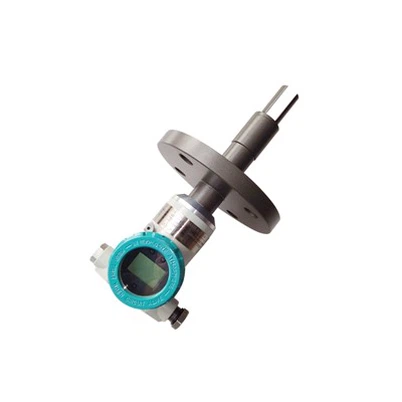
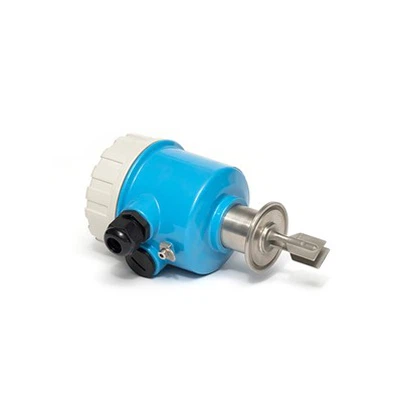
Before we dive into troubleshooting, let's quickly go over what a small tuning fork sensor is and how it works. A tuning fork sensor is a type of level switch that uses the principle of vibration to detect the presence or absence of a liquid or solid material. The sensor consists of a tuning fork that vibrates at a specific frequency. When the fork comes into contact with a material, the vibration frequency changes, and this change is detected by the sensor's electronics.
There are different types of small tuning fork sensors available in the market, such as Contact level switch, Pipeline installation aviation joint compact tuning fork level switch, and Stainless steel level switch. Each type has its own unique features and applications, but the basic troubleshooting steps are pretty much the same.
Common Problems and Solutions
1. Sensor Not Working at All
If your small tuning fork sensor isn't working at all, the first thing you should check is the power supply. Make sure the sensor is properly connected to a power source and that the voltage is within the specified range. A loose connection or incorrect voltage can cause the sensor to malfunction.
Next, inspect the wiring. Look for any signs of damage, such as frayed wires or loose connections. If you find any issues, repair or replace the wiring as necessary. Sometimes, a simple wiring problem can be the root cause of the sensor not working.
Another possible cause could be a faulty sensor itself. In this case, you might need to test the sensor using a multimeter or other testing equipment. If the sensor fails the test, it's likely that it needs to be replaced.
2. False Alarms
False alarms are one of the most common problems with tuning fork sensors. There are several reasons why a sensor might give false alarms. One possibility is that the sensor is installed in an area with excessive vibration or mechanical shock. This can cause the tuning fork to vibrate erratically, leading to false readings.
To fix this issue, you can try re - installing the sensor in a more stable location. Make sure it's mounted securely and away from sources of vibration, such as motors or pumps. You can also use vibration - damping materials to reduce the impact of external vibrations on the sensor.
Another cause of false alarms could be the presence of debris or buildup on the tuning fork. Over time, dirt, dust, or other materials can accumulate on the fork, affecting its vibration characteristics. To solve this problem, clean the tuning fork carefully using a soft brush or a non - abrasive cleaning solution. Make sure to follow the manufacturer's instructions when cleaning the sensor.
3. Inaccurate Readings
If your sensor is giving inaccurate readings, it could be due to a calibration issue. Tuning fork sensors need to be calibrated correctly to ensure accurate measurements. Over time, the calibration of the sensor can drift, especially if it's exposed to harsh environmental conditions.
To calibrate the sensor, you'll need to follow the calibration procedure outlined in the sensor's user manual. This usually involves adjusting the sensor's settings using a calibration tool or software. Make sure to use the correct calibration values for the specific material you're measuring.
Another factor that can affect the accuracy of the readings is the properties of the material being measured. Different materials have different densities and viscosities, which can impact the way the tuning fork vibrates. If you're measuring a material with unusual properties, you might need to consult the sensor manufacturer for guidance on how to optimize the sensor's performance.
4. Sensor Output Issues
Sometimes, the problem might be with the sensor's output signal. If you're not getting the expected output from the sensor, check the output wiring. Make sure the wiring is properly connected to the receiving device, such as a control panel or a data logger.
Also, check the output settings of the sensor. Some sensors allow you to adjust the output signal type (e.g., analog or digital) and range. Make sure these settings are configured correctly according to your requirements.
If the output signal is still not working properly after checking the wiring and settings, it could be a problem with the sensor's electronics. In this case, you might need to contact the sensor manufacturer for further assistance or to arrange for a repair or replacement.
Preventive Maintenance
To avoid these common problems in the first place, it's important to perform regular preventive maintenance on your small tuning fork sensors. Here are some tips:


- Regular Inspections: Periodically inspect the sensors for any signs of damage, wear, or buildup. Check the wiring, the tuning fork, and the mounting hardware.
- Cleaning: Clean the sensors at regular intervals to prevent debris from accumulating on the tuning fork. This will help ensure accurate and reliable operation.
- Calibration Checks: Perform calibration checks at least once a year or as recommended by the manufacturer. This will help maintain the accuracy of the sensor's readings.
Conclusion
Troubleshooting a small tuning fork sensor might seem daunting at first, but by following these steps, you should be able to identify and fix most common problems. Remember, if you're ever unsure about how to troubleshoot a particular issue, don't hesitate to reach out to the sensor manufacturer. They have the expertise and resources to help you get your sensor back in working order.
If you're in the market for a small tuning fork sensor or need further assistance with your existing sensors, we're here to help. We offer a wide range of high - quality tuning fork sensors suitable for various applications. Contact us for more information and to discuss your specific requirements. We're always happy to have a chat and help you find the best solution for your needs.
References
- Manufacturer's user manuals for small tuning fork sensors
- Industry standards and guidelines for level switch installation and maintenance