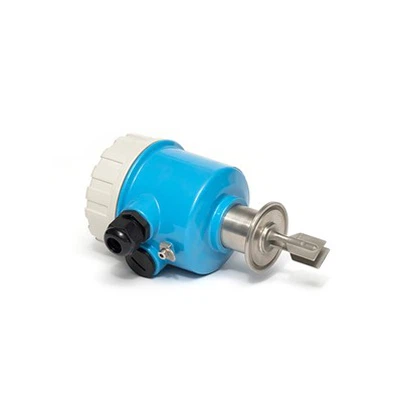

How to troubleshoot a concentration meter?
Leave a message

Hey there! As a supplier of concentration meters, I've seen my fair share of issues that customers run into. Troubleshooting a concentration meter can be a bit of a headache, but with the right approach, you can get it back up and running in no time. In this blog, I'll walk you through some common problems and how to fix them.
Understanding the Basics
First off, it's important to understand how a concentration meter works. Most concentration meters use different principles like refractometry, conductivity, or density measurement to determine the concentration of a substance in a solution. For example, a refractometer measures how light bends as it passes through a liquid, and based on that, it can calculate the concentration.
Common Problems and Solutions
1. Incorrect Readings
One of the most common issues is getting incorrect readings. This could be due to a few reasons.
- Calibration Issues: If the meter isn't calibrated correctly, it'll give you wrong results. Calibration is like setting the zero point on a scale. You need to use a known standard solution to adjust the meter. For instance, if you're measuring the concentration of a sugar solution, you'd use a sugar solution with a known concentration to calibrate the meter. Make sure to follow the manufacturer's instructions for calibration. If you're not sure, you can always check the user manual or give us a shout, and we'll help you out.
- Contamination: Sometimes, the sample you're measuring might be contaminated. If there are other substances in the solution that the meter isn't designed to measure, it can throw off the readings. For example, if you're measuring the concentration of a chemical in water, but there are some particles or other chemicals in the water, it can affect the results. To fix this, you need to make sure the sample is clean. You can filter the sample if there are particles or use a purification process if there are other contaminants.
2. Sensor Problems
The sensor is the heart of the concentration meter, and if it's not working properly, the whole thing won't work.
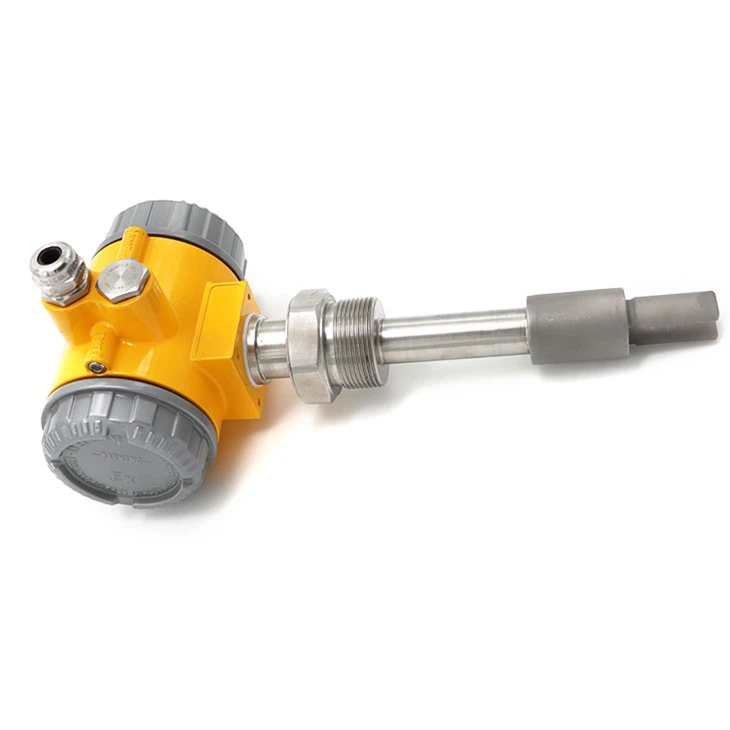

- Sensor Damage: Over time, the sensor can get damaged. This could be due to physical impact, exposure to harsh chemicals, or just normal wear and tear. If you suspect sensor damage, you need to replace the sensor. We offer high - quality replacement sensors for our concentration meters. Just let us know the model of your meter, and we'll send you the right one.
- Sensor Fouling: The sensor can also get fouled, which means there's a build - up of substances on the sensor surface. This can happen if the sample has a lot of solids or if it's a sticky solution. To clean the sensor, you can use a mild cleaning solution recommended by the manufacturer. Gently clean the sensor surface, and then rinse it thoroughly with clean water.
3. Communication Issues
If your concentration meter is connected to a computer or other devices for data transfer, you might run into communication problems.
- Connection Problems: Check the cables and connections. Make sure they're properly plugged in and there's no damage to the cables. Sometimes, a loose connection can cause the meter not to communicate with the other devices.
- Software Compatibility: If you're using software to collect and analyze the data, make sure it's compatible with your concentration meter. Outdated software can cause communication issues. You may need to update the software to the latest version.
Specific Examples and Resources
Let's say you're dealing with the measurement of ethylene glycol. You might be interested in the Online measurement of ethylene glycol liquid concentration sensor. This sensor is specifically designed for accurate online measurement of ethylene glycol concentration. It uses advanced technology to provide reliable results.
If you're in the pharmaceutical industry and need to measure the density of ethylene glycol, the Ethylene Glycol Density Meter For Pharmaceutical Industry is a great option. It's tailored to meet the specific requirements of the pharmaceutical industry, ensuring accurate and precise measurements.
And if you're looking for an online detection concentration sensor supplier, we've got you covered. Check out our Online detection concentration sensor supplier page to learn more about our wide range of sensors for different applications.
When to Seek Professional Help
Sometimes, the problem might be too complex for you to solve on your own. If you've tried all the troubleshooting steps and the meter still isn't working, it's time to seek professional help. You can reach out to us, and our team of experts will be happy to assist you. We have years of experience in dealing with concentration meter issues, and we'll do our best to get your meter up and running as soon as possible.
Conclusion
Troubleshooting a concentration meter might seem like a daunting task, but if you follow these steps, you can usually solve most of the common problems. Remember to keep your meter clean, calibrate it regularly, and take good care of the sensor. If you have any questions or need further assistance, don't hesitate to contact us. We're here to help you get the most accurate measurements and keep your concentration meter working at its best. Whether you're a small lab or a large industrial facility, we've got the products and support you need. So, if you're in the market for a new concentration meter or need help with your existing one, let's start a conversation and see how we can work together.
References
- Manufacturer's user manuals for concentration meters
- Industry standards for concentration measurement
So, if you're facing any issues with your concentration meter or are looking to purchase a new one, feel free to reach out to us. We're always ready to have a chat and discuss your needs. Let's work together to ensure you get the best results from your concentration measurements.