
How to troubleshoot a capacitive level sensor?
Leave a message

Troubleshooting a capacitive level sensor is a crucial skill for anyone involved in industrial processes where accurate level measurement is essential. As a capacitive level sensor supplier, I've encountered a wide range of issues with these sensors over the years. In this blog post, I'll share some common problems and effective solutions to help you troubleshoot your capacitive level sensors.
Understanding Capacitive Level Sensors
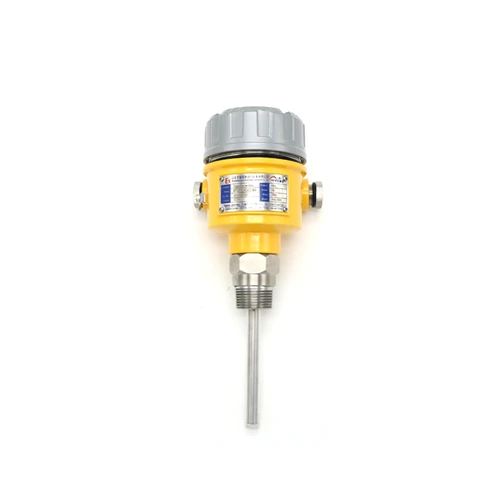
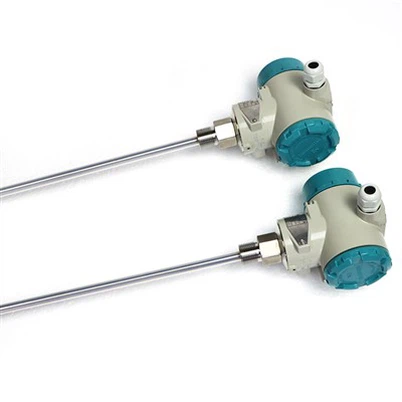
Before diving into troubleshooting, it's important to have a basic understanding of how capacitive level sensors work. These sensors operate on the principle of capacitance, which is the ability of a system to store an electrical charge. A capacitive level sensor consists of a probe and an electronic circuit. The probe is typically a metal rod or plate that is inserted into the material whose level is being measured. The material acts as a dielectric between the probe and the surrounding environment.
As the level of the material changes, the capacitance between the probe and the environment also changes. The electronic circuit measures this change in capacitance and converts it into a signal that can be used to indicate the level of the material. Capacitive level sensors are versatile and can be used to measure the level of liquids, solids, and granular materials in a variety of applications, including chemical processing, food and beverage production, and wastewater treatment.


Common Problems and Solutions
1. Incorrect Level Reading
One of the most common problems with capacitive level sensors is an incorrect level reading. This can be caused by several factors, including:
- Buildup on the Probe: If the probe becomes coated with the material being measured, it can affect the capacitance reading. To fix this issue, you should clean the probe regularly using a suitable cleaning solution. Make sure to follow the manufacturer's instructions for cleaning to avoid damaging the probe.
- Electrical Interference: Electrical interference from nearby equipment or power sources can cause inaccurate readings. To reduce electrical interference, you can try shielding the sensor cable or moving the sensor away from the source of interference. You may also need to check the grounding of the sensor and the equipment to ensure proper electrical connections.
- Incorrect Calibration: If the sensor is not calibrated correctly, it will give inaccurate level readings. To calibrate the sensor, you should follow the manufacturer's calibration procedure. This may involve adjusting the zero and span settings of the sensor to match the actual level of the material being measured.
2. Sensor Not Responding
If the capacitive level sensor is not responding at all, it could be due to the following reasons:
- Power Supply Issues: Check the power supply to the sensor to make sure it is receiving the correct voltage. A loose connection or a blown fuse can cause the sensor to lose power. You should also check the power cable for any damage.
- Probe Damage: Inspect the probe for any physical damage, such as cracks or breaks. If the probe is damaged, it will need to be replaced. Make sure to use a replacement probe that is compatible with your sensor.
- Electronic Circuit Failure: If the power supply and the probe are working fine, but the sensor still does not respond, the problem may be with the electronic circuit. In this case, you may need to contact the manufacturer or a qualified technician for further diagnosis and repair.
3. Erratic Readings
Erratic readings can be frustrating and can lead to incorrect process control. Some possible causes of erratic readings include:
- Material Properties Changes: If the properties of the material being measured, such as its dielectric constant or conductivity, change over time, it can cause the sensor readings to fluctuate. You may need to recalibrate the sensor or adjust the settings to account for these changes.
- Vibration or Movement: Excessive vibration or movement in the tank or container where the sensor is installed can cause the probe to move, resulting in erratic readings. You can try to reduce the vibration by installing vibration dampers or by securing the sensor more firmly.
- Moisture or Condensation: Moisture or condensation inside the sensor housing can cause electrical shorts and erratic readings. Make sure the sensor housing is properly sealed and that there is no moisture present. If necessary, you can install a moisture barrier or a heater to prevent condensation.
Advanced Troubleshooting Techniques
1. Using Diagnostic Tools
Many modern capacitive level sensors come with built - in diagnostic features that can help you troubleshoot problems. These features may include error codes, status indicators, or diagnostic software. You can use these tools to identify the root cause of the problem and take appropriate action. For example, if the diagnostic tool indicates a short circuit, you can focus your troubleshooting efforts on checking the wiring and connections.
2. Comparing with Reference Sensors
If possible, you can compare the readings of the problematic capacitive level sensor with a reference sensor. This can help you determine if the problem is with the sensor itself or with the process. If the readings of the reference sensor are consistent while the problematic sensor gives different readings, it is likely that the problem lies with the sensor.
3. Signal Analysis
Analyzing the electrical signal output from the sensor can also provide valuable information. You can use an oscilloscope or a data logger to monitor the signal and look for any abnormalities, such as noise, spikes, or incorrect waveform shapes. By examining the signal characteristics, you can gain insights into the source of the problem.
Product Recommendations
As a capacitive level sensor supplier, I would like to recommend some of our high - quality products that are designed to minimize troubleshooting issues.
The Industrial Capacitive anti - corrosion liquid level transmitter is ideal for applications where corrosion is a concern. It features a PTFE rod probe that provides excellent corrosion resistance, ensuring long - term reliable operation.
The RF type level transmitter uses radio frequency admittance technology to provide accurate and stable level measurements. It is suitable for a wide range of materials and can be used in harsh industrial environments.
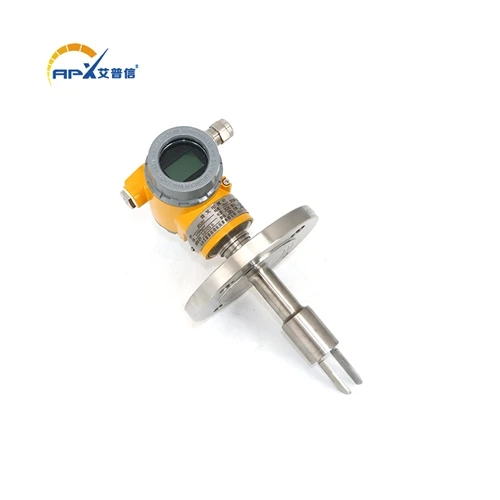
The RF capacitance level switch is a reliable solution for point level detection. It offers high sensitivity and can be easily installed in various tanks and containers.
The Capacitive Level Gauge is a cost - effective option for continuous level measurement. It is simple to operate and provides accurate readings in a variety of applications.
The Rf admittance type level switch is designed for reliable level control. It uses advanced RF admittance technology to ensure accurate and stable operation.
Conclusion
Troubleshooting a capacitive level sensor requires a systematic approach and a good understanding of how these sensors work. By following the steps outlined in this blog post, you can effectively diagnose and solve common problems with your capacitive level sensors. If you encounter any issues that you are unable to resolve on your own, don't hesitate to contact us. As a professional capacitive level sensor supplier, we have the expertise and resources to assist you with any technical problems you may face. Whether you need help with troubleshooting, product selection, or installation, we are here to provide you with the best solutions. Contact us to discuss your requirements and start a successful procurement process.
References
- "Capacitive Level Sensors: Principles and Applications" - A technical guidebook on capacitive level sensing technology.
- Manufacturer's manuals for various capacitive level sensors.