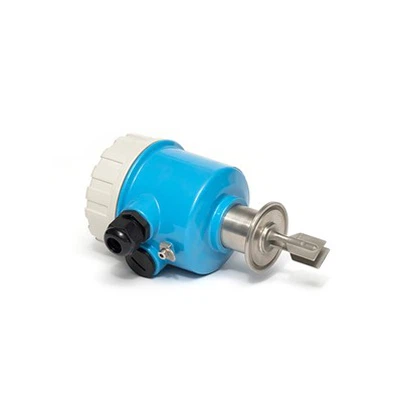

How does temperature affect the performance of an in-line density meter?
Leave a message

As a reputable supplier of in-line density meters, I've witnessed firsthand the profound influence of temperature on the performance of these crucial instruments. In the world of industrial measurement, precision is paramount, and understanding how temperature affects an in-line density meter is essential for ensuring accurate and reliable data.
The Basics of In - line Density Meters
In-line density meters are used in a wide range of industries, from food and beverage to chemical processing and oil and gas. These devices are designed to measure the density of a fluid flowing through a pipeline in real - time. By providing continuous density measurements, they enable operators to monitor product quality, control processes, and ensure compliance with industry standards.
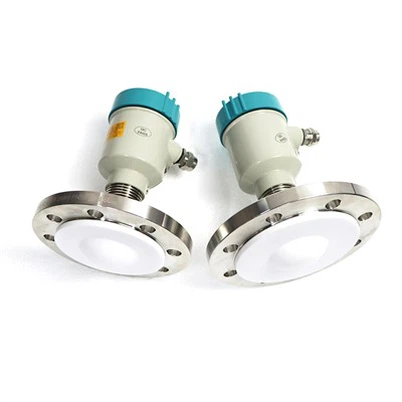
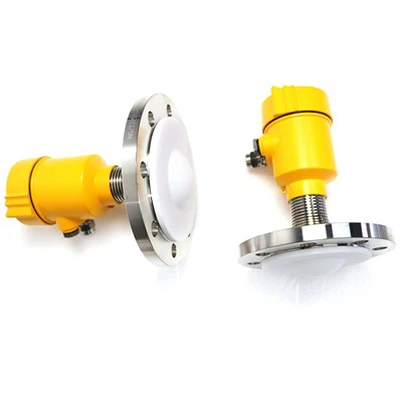
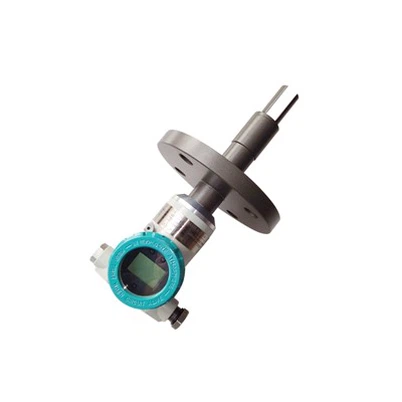
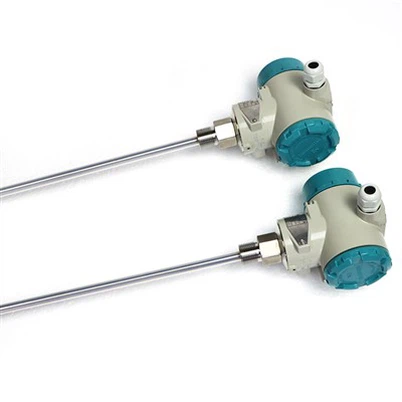
There are several types of in - line density meters available on the market, including Liquid Density Meter, Density detector, and Electronic densimeter. Each type operates based on different principles, such as vibration, ultrasonic, or nuclear techniques. However, regardless of the type, temperature can have a significant impact on their performance.
How Temperature Affects Density
Before delving into how temperature affects the performance of in - line density meters, it's important to understand the relationship between temperature and density. In general, the density of a fluid decreases as its temperature increases. This is because as the temperature rises, the molecules in the fluid gain energy and move more freely, causing the fluid to expand. As a result, the same mass of fluid occupies a larger volume, leading to a lower density.
The relationship between density and temperature can be described by the coefficient of thermal expansion. Different fluids have different coefficients of thermal expansion, which means that the change in density with temperature varies from one fluid to another. For example, water has a relatively low coefficient of thermal expansion compared to some organic solvents. This means that the density of water changes less with temperature than the density of these solvents.
Impact on In - line Density Meter Performance
Measurement Accuracy
One of the most significant ways temperature affects the performance of an in - line density meter is by altering the measurement accuracy. Most in - line density meters are calibrated at a specific temperature. When the operating temperature deviates from this calibration temperature, the density measurement can be inaccurate.
For example, if a density meter is calibrated at 20°C and the actual operating temperature is 30°C, the measured density may be lower than the true density if the fluid being measured expands with increasing temperature. This can lead to errors in process control and product quality monitoring. To compensate for this, many in - line density meters are equipped with temperature sensors and temperature compensation algorithms. These sensors measure the temperature of the fluid, and the algorithms adjust the density measurement based on the known relationship between density and temperature for the specific fluid.
Sensor Performance
Temperature can also affect the performance of the sensors used in in - line density meters. For instance, in vibration - based density meters, the resonance frequency of the vibrating element is used to determine the density of the fluid. Temperature changes can cause the dimensions and mechanical properties of the vibrating element to change, which in turn affects the resonance frequency.
Similarly, in ultrasonic density meters, the speed of sound in the fluid is used to measure density. The speed of sound is temperature - dependent, so changes in temperature can lead to errors in the density measurement. To mitigate these effects, the sensors in these density meters need to be designed to be as temperature - stable as possible, and appropriate temperature compensation techniques need to be employed.
Material Compatibility
Another aspect to consider is the material compatibility of the in - line density meter with the fluid at different temperatures. High temperatures can cause materials to expand, contract, or degrade. If the materials used in the density meter are not compatible with the fluid at the operating temperature, it can lead to corrosion, wear, or other forms of damage.
For example, if the wetted parts of a density meter are made of a metal that is prone to corrosion at high temperatures in a particular fluid, the performance of the density meter can be severely affected. This can lead to inaccurate measurements and a shorter lifespan of the instrument.
Strategies to Minimize Temperature Effects
Temperature Compensation
As mentioned earlier, temperature compensation is a crucial strategy for minimizing the effects of temperature on in - line density meter performance. Most modern in - line density meters are equipped with built - in temperature sensors and compensation algorithms. These algorithms use the temperature data from the sensors to adjust the density measurement based on the known temperature - density relationship for the fluid.
However, it's important to note that accurate temperature compensation requires knowledge of the coefficient of thermal expansion for the specific fluid. In some cases, this information may not be readily available, or the fluid may be a complex mixture with an unknown coefficient of thermal expansion. In these situations, it may be necessary to perform additional calibration and testing to determine the appropriate temperature compensation factors.
Insulation and Temperature Control
Another way to minimize the effects of temperature on in - line density meter performance is to control the temperature of the fluid and the density meter itself. This can be achieved through insulation and the use of heating or cooling systems.


Insulating the pipeline and the density meter can help reduce the heat transfer between the fluid and the surrounding environment, keeping the temperature of the fluid more stable. Heating or cooling systems can be used to maintain the fluid at a constant temperature, especially in applications where the temperature variations are large.
Importance of Temperature - Considered Density Measurement
In industries where precision and quality control are critical, accurate density measurement is essential. For example, in the pharmaceutical industry, the density of a drug formulation can affect its efficacy and stability. In the food and beverage industry, density is an important parameter for ensuring consistent product quality.
By understanding and compensating for the effects of temperature on in - line density meters, manufacturers can ensure that their products meet the required quality standards. This not only helps to improve customer satisfaction but also reduces the risk of product recalls and production losses.
Conclusion
In conclusion, temperature has a significant impact on the performance of in - line density meters. It affects the measurement accuracy, sensor performance, and overall reliability of these instruments. As a supplier of in - line density meters, we are committed to providing our customers with high - quality products that are designed to minimize the effects of temperature.
We offer a wide range of in - line density meters, including Liquid Density Meter, Density detector, and Electronic densimeter, all of which are equipped with advanced temperature compensation features. If you are looking for a reliable in - line density meter for your application, we encourage you to contact us for a detailed discussion about your requirements and how we can help you achieve accurate and reliable density measurements.
References
- "Fundamentals of Fluid Mechanics" by Bruce R. Munson, Donald F. Young, and Theodore H. Okiishi.
- "Process Measurement and Analysis" by David W. Spitzer.
- Technical documentation from various in - line density meter manufacturers.