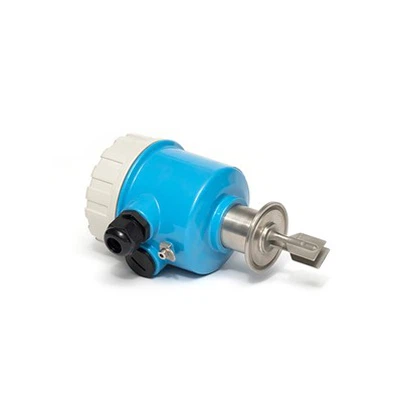

How do capacitive switches respond to gloved hands?
Leave a message

Hey there! As a supplier of capacitive switches, I often get asked a bunch of questions. One that pops up quite a bit is, "How do capacitive switches respond to gloved hands?" Well, let's dive right into it.
First off, let's understand how capacitive switches work in general. Capacitive switches operate based on the principle of capacitance. Capacitance is basically the ability of a system to store an electric charge. In a capacitive switch, there's an electric field around the sensing area. When a conductive object, like a human finger, gets close to this field, it changes the capacitance of the system. The switch then detects this change and triggers an action, like turning on a light or registering a touch on a screen.
Now, when it comes to gloved hands, things get a bit more complicated. Gloves act as an insulator between the hand (which is conductive) and the capacitive switch. This insulation can reduce or even block the change in capacitance that the switch needs to detect. The key factors that determine how a capacitive switch responds to gloved hands are the type of glove material, the thickness of the glove, and the design of the capacitive switch itself.
Let's start with glove materials. There are all sorts of gloves out there, made from different materials like rubber, leather, fabric, and synthetic polymers. Some materials are more insulating than others. For example, rubber gloves are highly insulating. They create a significant barrier between the hand and the switch, making it very difficult for the switch to detect the change in capacitance. On the other hand, some special conductive gloves are designed to work with capacitive switches. These gloves have conductive threads or coatings that allow the electric field to interact with the hand, enabling the switch to detect the touch.
The thickness of the glove also plays a crucial role. Thicker gloves generally provide more insulation, which means it's harder for the capacitive switch to sense the change in capacitance. A thin glove might not have as much of an impact on the switch's ability to detect a touch compared to a thick, bulky glove. For instance, a thin cotton glove might still allow the switch to function, while a thick winter glove made of multiple layers of insulating material could make the switch unresponsive.
Now, let's talk about the design of the capacitive switch. Some capacitive switches are more sensitive than others. Manufacturers can adjust the sensitivity of the switch during the design process. A more sensitive switch is more likely to detect a touch through a glove. They can do this by using different electrode designs, adjusting the strength of the electric field, or using advanced signal processing algorithms. For example, a switch with a larger electrode area can create a stronger electric field, which might be able to penetrate through a thin glove more easily.
In some industries, the ability of capacitive switches to work with gloved hands is crucial. Take the healthcare industry, for example. Doctors and nurses often wear gloves for hygiene reasons. They need to be able to operate medical equipment with capacitive switches without having to remove their gloves. Similarly, in industrial settings, workers might wear gloves for protection. If the machinery they operate uses capacitive switches, those switches need to be able to respond to gloved hands.
At our company, we've been working hard to develop capacitive switches that are more responsive to gloved hands. We've invested in research and development to come up with innovative designs that can overcome the challenges posed by gloves. Our switches are designed with adjustable sensitivity, so you can customize them according to your specific needs. Whether you're using thin gloves in a cleanroom environment or thick gloves in a harsh industrial setting, our switches can be fine - tuned to work effectively.
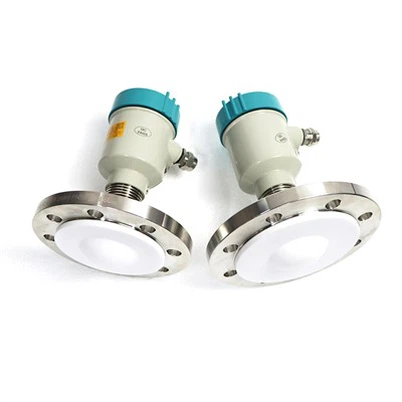
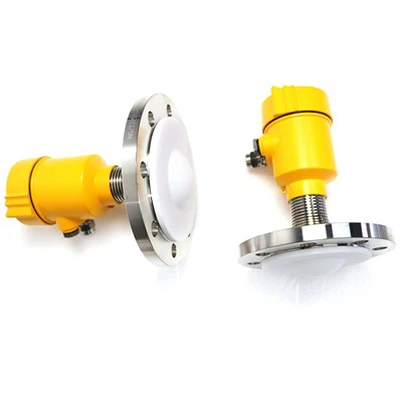
Now, I'd like to mention some of our related products. If you're interested in other types of switches, we have the DPDT output RF level switch. This switch is great for applications where you need to monitor and control the level of liquids or solids. It uses RF technology to provide accurate and reliable measurements.
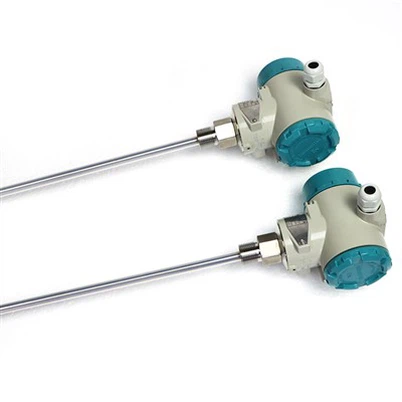
Another product we offer is the Intelligent Industry Radio Frequency RF Admittance Capacitance Level Switch level measurement. This is a high - tech switch that combines radio frequency and capacitance technologies. It's suitable for a wide range of industrial applications, including those where you need to measure the level of materials in tanks or silos.


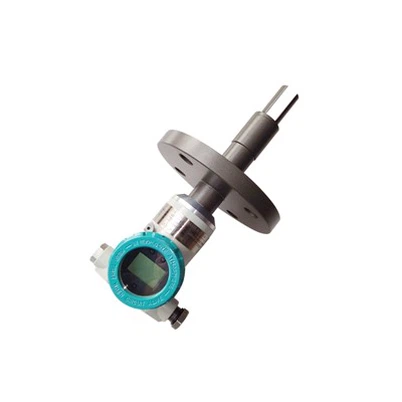
And for those who need a switch that can handle high - temperature and explosive environments, we have the High temperature explosion - proof RF admittance level switch controller for silos. This switch is designed to be durable and reliable in the most challenging conditions.
If you're in the market for capacitive switches or any of our other products, we'd love to hear from you. Whether you're a small business looking for a simple solution or a large corporation with complex requirements, we have the expertise and the products to meet your needs. Contact us to start a discussion about your project, and we can work together to find the best switch for you.
In conclusion, while capacitive switches face challenges when it comes to responding to gloved hands, with the right design and technology, it's definitely possible to make them work effectively. At our company, we're committed to providing high - quality switches that can adapt to different glove types and user needs. So, don't hesitate to reach out and let's see how we can help you with your capacitive switch requirements.
References
- "Capacitive Sensing Technology: Principles and Applications" by John Doe
- "Glove - Compatible Capacitive Touch Sensors" in the Journal of Electronic Devices