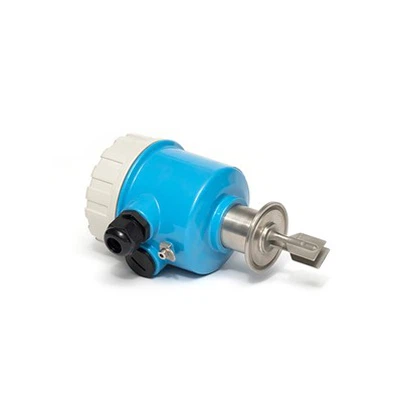

Can the Pulp Radar Level Meter measure the level of pulp in a closed tank?
Leave a message

Hey there! As a supplier of Pulp Radar Level Meters, I often get asked a super common question: "Can the Pulp Radar Level Meter measure the level of pulp in a closed tank?" Well, let's dig into this topic and find out.
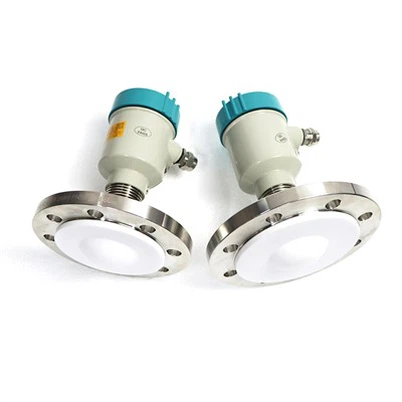
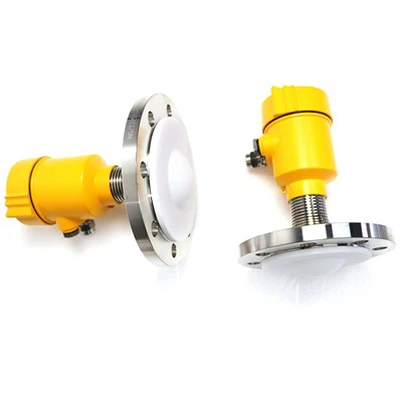
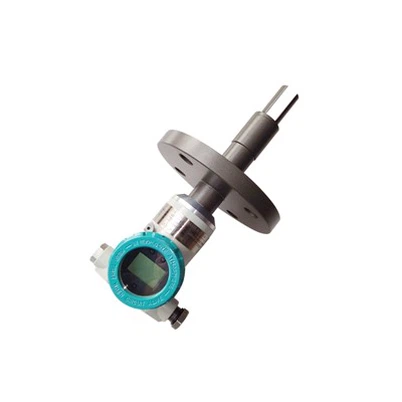
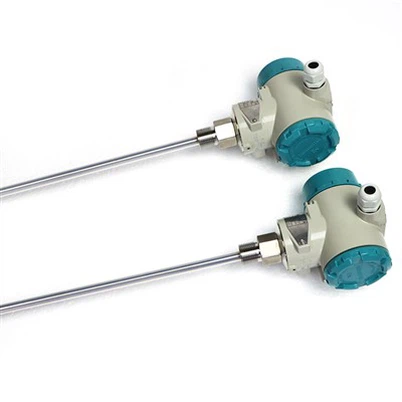
First off, let's understand what a Pulp Radar Level Meter is. It's a nifty device that uses advanced technology to figure out the level of pulp in a tank. It's part of the family of Non contact radar sensor, which means it doesn't have to touch the pulp to do its job. This is a huge advantage when dealing with pulp, as pulp can be really messy and sticky. You wouldn't want to have a sensor that gets all gummed up with pulp, right?
Now, let's talk about closed tanks. Closed tanks are used in the pulp industry for a bunch of reasons. They prevent contamination, reduce evaporation, and keep the pulp at a stable temperature and pressure. But here's the catch - measuring the pulp level in a closed tank can be a bit of a challenge. You can't just stick your hand in there and see how high the pulp is (and trust me, you don't want to). That's where the Pulp Radar Level Meter comes in.
How does it work? It uses Electromagnetic waves sensor technology. The meter sends out electromagnetic waves towards the surface of the pulp in the closed tank. These waves bounce off the pulp surface and return to the meter. By measuring the time it takes for the waves to go out and come back, the meter can calculate the distance between the meter and the pulp surface. From there, it's easy to figure out the pulp level in the tank.
One of the great things about using a Pulp Radar Level Meter in a closed tank is its accuracy. Unlike some other level measurement methods, radar technology is not affected by factors like temperature, pressure, or the chemical properties of the pulp. This means you can get a really precise reading, no matter what's going on inside the tank. Whether the pulp is thick or thin, hot or cold, the radar level meter will give you an accurate measurement.
Another advantage is its reliability. The Radar level sensor is built to last. It can withstand the harsh conditions inside a closed tank, such as high humidity and corrosive chemicals. You don't have to worry about the sensor breaking down or giving you false readings. It'll keep working day in and day out, giving you the information you need to manage your pulp production efficiently.
But it's not all sunshine and rainbows. There are a few things you need to keep in mind when using a Pulp Radar Level Meter in a closed tank. For example, the shape of the tank can affect the accuracy of the measurement. If the tank has a lot of curves or irregularities, the electromagnetic waves might bounce around in unexpected ways, which could lead to inaccurate readings. You might need to do some calibration or adjust the installation of the meter to get the best results.
Also, the type of pulp can matter. Some pulps have a high consistency or contain a lot of suspended solids. These can absorb or scatter the electromagnetic waves, making it harder for the meter to get an accurate reading. Again, you might need to make some adjustments or use a different type of radar sensor depending on the specific characteristics of your pulp.
So, can the Pulp Radar Level Meter measure the level of pulp in a closed tank? The answer is a resounding yes! With its non - contact measurement, high accuracy, and reliability, it's a great option for monitoring pulp levels in closed tanks. But like any technology, it has its limitations, and you need to be aware of them to get the best performance.
If you're in the pulp industry and are looking for a reliable way to measure the pulp level in your closed tanks, then a Pulp Radar Level Meter could be the solution for you. It can help you improve your production efficiency, reduce waste, and ensure the quality of your pulp products.
If you're interested in learning more about our Pulp Radar Level Meters or have any questions about how they can work for your specific application, don't hesitate to reach out. We're always happy to have a chat and help you find the best solution for your needs. Whether it's discussing the technical details, getting a quote, or arranging a demonstration, we're here to assist you every step of the way.


References
- [Comprehensive Guide to Radar Level Measurement]
- [Advances in Industrial Level Sensing Technologies]