

Can Guided Wave Radar Level Meter be used in high - temperature environments?
Leave a message

As a supplier of Guided Wave Radar Level Meters, I often encounter inquiries from customers about the suitability of our products in high - temperature environments. This is a crucial question, as many industrial processes involve high - temperature conditions, such as in the oil and gas, chemical, and power generation industries. In this blog, I will delve into the technical aspects of Guided Wave Radar Level Meters and explore whether they can be effectively used in high - temperature settings.
Understanding Guided Wave Radar Level Meters
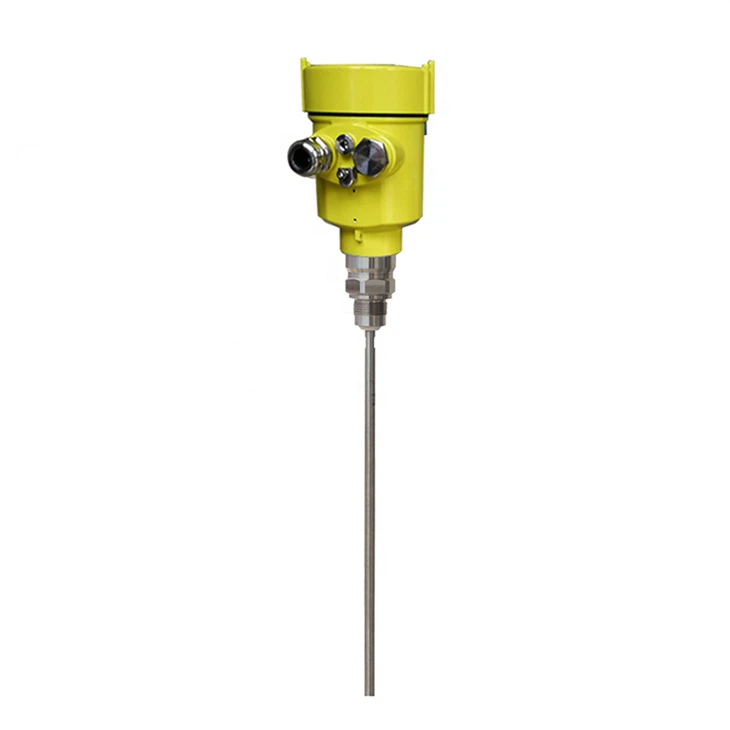
Guided Wave Radar (GWR) level meters are a type of level measurement device that uses electromagnetic waves to determine the level of a liquid or solid in a tank or vessel. The basic principle of a GWR level meter involves sending a radar pulse down a probe, which can be a rod, cable, or coaxial waveguide. When the pulse reaches the surface of the material being measured, a portion of it is reflected back up the probe to the sensor. By measuring the time it takes for the pulse to travel to the surface and back, the level of the material can be accurately calculated.
The technology behind GWR level meters offers several advantages over other types of level measurement devices. It is highly accurate, with a measurement error typically within a few millimeters. It can also handle a wide range of materials, including liquids, slurries, and solids. Additionally, GWR level meters are relatively immune to changes in temperature, pressure, and the presence of vapors or dust in the tank.
You can learn more about the principles and applications of Guided wave radar on our website.
Challenges of High - Temperature Environments
High - temperature environments pose several challenges for level measurement devices. First, extreme heat can cause physical changes to the materials used in the level meter. For example, high temperatures can cause expansion, which may lead to mechanical stress on the probe and other components. This can result in misalignment, reduced accuracy, or even damage to the device over time.
Second, high temperatures can affect the electrical properties of the materials. The dielectric constant of a material, which is an important factor in radar level measurement, can change significantly with temperature. This can lead to errors in the measurement, as the radar pulse may interact differently with the material at high temperatures compared to normal conditions.

Finally, high - temperature environments often come with other harsh conditions, such as high pressure, corrosive chemicals, and vibrations. These factors can further complicate the operation of a level meter and increase the risk of failure.
Can Guided Wave Radar Level Meters Handle High Temperatures?
The answer is yes, but with certain considerations. Modern Guided Wave Radar Level Meters are designed to withstand a wide range of temperatures. Many of our products can operate in environments with temperatures ranging from - 40°C to 200°C or even higher, depending on the specific model and configuration.
One of the key factors that allows GWR level meters to work in high - temperature environments is the choice of materials. The probe and other components are made from materials that have high thermal stability. For example, stainless steel is commonly used for the probe, as it can withstand high temperatures without significant expansion or corrosion. Specialized coatings can also be applied to the probe to further enhance its resistance to heat and chemicals.
In addition, the electronics of the GWR level meter are designed to be thermally protected. The sensor and signal processing unit are often housed in a temperature - controlled enclosure, which helps to maintain a stable operating temperature even when the external environment is extremely hot. This ensures that the electrical components function properly and that the measurement accuracy is maintained.
However, it is important to note that the maximum operating temperature of a GWR level meter depends on several factors, including the type of probe, the length of the probe, and the specific application. For very high - temperature applications, such as in molten metal tanks or high - temperature furnaces, additional cooling or insulation measures may be required.
Applications in High - Temperature Industries
Guided Wave Radar Level Meters have found numerous applications in high - temperature industries. In the oil and gas industry, they are used to measure the level of crude oil, refined products, and other hydrocarbons in storage tanks and process vessels. These tanks often operate at high temperatures, especially during the refining process. GWR level meters provide accurate and reliable measurements in these challenging conditions, helping to ensure the efficient operation of the plant.
In the chemical industry, GWR level meters are used to measure the level of various chemicals in reactors, distillation columns, and storage tanks. Many chemical processes involve high temperatures and corrosive substances. The ability of GWR level meters to withstand these conditions makes them an ideal choice for level measurement in this industry.
The power generation industry also benefits from the use of GWR level meters in high - temperature applications. They are used to measure the level of water and steam in boilers, condensers, and other equipment. These components operate at high temperatures and pressures, and accurate level measurement is crucial for the safe and efficient operation of the power plant.
Advantages of Using Guided Wave Radar Level Meters in High - Temperature Environments
There are several advantages to using Guided Wave Radar Level Meters in high - temperature environments. Firstly, their high accuracy ensures that the level of the material in the tank is measured precisely. This is important for process control, as it allows operators to optimize the production process and avoid overfilling or underfilling of the tanks.
Secondly, GWR level meters are relatively low - maintenance compared to other types of level measurement devices. They do not have moving parts, which reduces the risk of mechanical failure. This means less downtime for maintenance and repair, resulting in increased productivity and cost savings for the plant.
Finally, the non - contact nature of GWR level meters makes them suitable for use with a wide range of materials, including those that are sticky, viscous, or corrosive. This flexibility is particularly valuable in high - temperature industries, where the materials being processed can be challenging to measure using other methods.
Considerations for Using Guided Wave Radar Level Meters in High - Temperature Applications
When using Guided Wave Radar Level Meters in high - temperature applications, there are several considerations to keep in mind. Firstly, it is important to select the right model and configuration for the specific application. This includes choosing the appropriate probe length, diameter, and material, as well as the right electronics and software.
Secondly, proper installation is crucial. The level meter should be installed in a location where it is not exposed to direct heat sources or other harsh conditions. It should also be installed in a way that allows for easy access for maintenance and calibration.
Finally, regular maintenance and calibration are necessary to ensure the long - term performance of the level meter. This includes checking the probe for damage, cleaning the probe if necessary, and verifying the accuracy of the measurement.
Conclusion
Guided Wave Radar Level Meters can be effectively used in high - temperature environments, thanks to their advanced design and the use of high - quality materials. They offer accurate and reliable level measurement in a wide range of industrial applications, including those with extreme temperatures. However, it is important to select the right product, install it correctly, and perform regular maintenance to ensure optimal performance.
If you are looking for a Chinese supplier of guided wave radar liquid level transmitter that can provide high - quality products for high - temperature applications, we are here to help. Our team of experts can assist you in choosing the right level meter for your specific needs and provide you with the support and service you require. Whether you need a Radar type level transmitter for a small storage tank or a large - scale industrial process, we have the solutions.
Contact us today to discuss your requirements and start a procurement negotiation. We look forward to working with you to meet your level measurement needs in high - temperature environments.
References
- "Industrial Level Measurement Handbook", John Wiley & Sons, Inc.
- "Radar Level Measurement Technology", Elsevier Science Publishing Co., Inc.
- Technical documentation from various Guided Wave Radar Level Meter manufacturers.





