

Can an RF Admittance Switch be used in high - temperature environments?
Leave a message

Hey there! As a supplier of RF Admittance Switches, I often get asked a burning question: Can an RF Admittance Switch be used in high - temperature environments? Well, let's dive right into it and break things down.
First off, what exactly is an RF Admittance Switch? In simple terms, it's a nifty device that measures the level of materials, whether it's solids or liquids. You can check out more about the RF Admittance Level Sensor on our website. It works based on the principle of RF (radio frequency) admittance, which is a combination of capacitance and conductance. This technology allows it to accurately detect the presence or absence of a material at a specific point.
Now, let's talk about high - temperature environments. These can be found in a whole bunch of industries. For example, in the metal smelting industry, temperatures can soar way above 1000 degrees Celsius. In the glass manufacturing process, the furnaces can reach extremely high temperatures as well. In such environments, most regular sensors just can't cut it. They'll either malfunction or get damaged pretty quickly.
So, can our RF Admittance Switch handle these scorching conditions? The answer is a bit more complex than a simple yes or no.
The Challenges in High - Temperature Environments
High temperatures pose several challenges to RF Admittance Switches. One of the main issues is the effect on the electronic components. As the temperature rises, the electrical properties of the components can change. For instance, the resistance of a resistor might increase, which can throw off the calibration of the switch. The insulation materials used in the switch can also degrade at high temperatures. This can lead to short - circuits or other electrical problems.

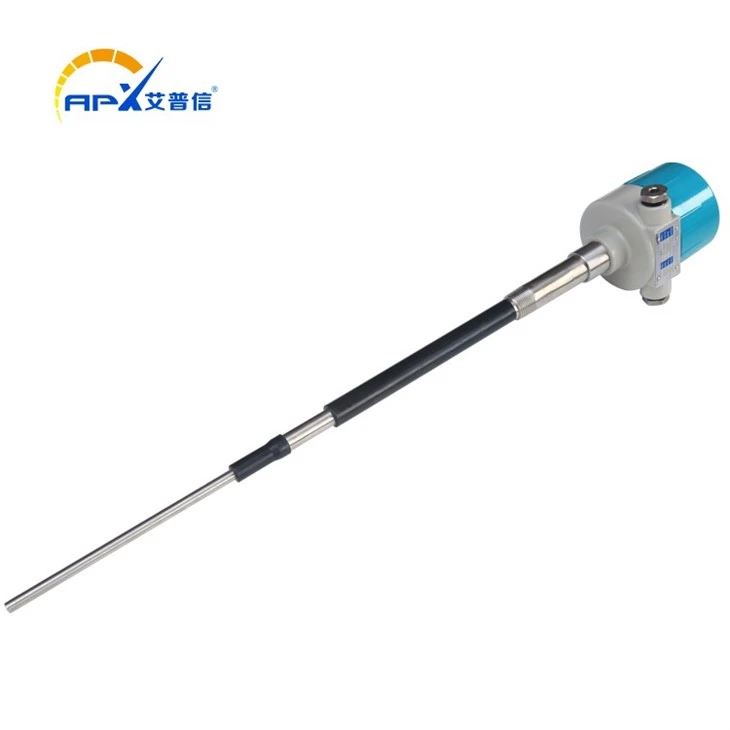
Another challenge is the thermal expansion. Different materials expand at different rates when heated. This can cause mechanical stress on the switch. If the expansion is not properly accounted for, it can lead to the misalignment of the sensing elements, which in turn affects the accuracy of the switch.
Our Solutions
But don't worry! We've been working hard to overcome these challenges. First of all, we use high - temperature - resistant materials in our RF Admittance Switches. For the electronic components, we select parts that are specifically designed to operate in high - temperature environments. These components have been tested extensively to ensure that their electrical properties remain stable even at elevated temperatures.
We also pay close attention to the insulation materials. We use special ceramics and other high - temperature - resistant polymers that can withstand the heat without degrading. This helps to prevent electrical problems and ensures the long - term reliability of the switch.
To deal with the issue of thermal expansion, we've designed our switches with a flexible mechanical structure. This allows the different parts of the switch to expand and contract without causing excessive stress. We've also done a lot of testing to optimize the design and make sure that the sensing elements stay in the right position even when the temperature changes.
Real - World Applications
We've had some great success stories with our RF Admittance Switches in high - temperature environments. For example, in a large - scale cement plant, they use our switches to measure the level of hot clinker in the silos. The temperature in the silos can reach several hundred degrees Celsius. Our switches have been operating reliably for years, providing accurate level measurements and helping the plant to optimize their production process.
Another example is in a chemical processing plant. They use our switches to monitor the level of high - temperature liquids in the reaction vessels. Our switches have been able to withstand the harsh chemical environment as well as the high temperatures, ensuring the safety and efficiency of the production process.
If you're interested in using an RF Admittance Switch for measuring silo dust in high - temperature conditions, you can learn more about our RF admittance level switch for measuring silo dust.
Comparison with Other Technologies
You might be wondering how our RF Admittance Switches compare with other level - sensing technologies in high - temperature environments. Well, let's take a look at some of the alternatives.
Capacitive sensors are a common choice for level sensing. However, they are very sensitive to temperature changes. The capacitance of the sensor can change significantly with temperature, which can lead to inaccurate measurements. In high - temperature environments, capacitive sensors often require frequent calibration, which can be a hassle.
Ultrasonic sensors also have their limitations in high - temperature environments. The speed of sound changes with temperature, which can affect the accuracy of the distance measurement. Additionally, the high temperatures can cause damage to the ultrasonic transducers over time.
In contrast, our RF Admittance Switches are more robust and reliable in high - temperature conditions. They are less affected by temperature changes and can provide more accurate and consistent measurements.
Maintenance and Care
Even though our RF Admittance Switches are designed to handle high - temperature environments, they still require some maintenance and care. Regular inspections are important to check for any signs of wear or damage. You should also make sure that the switch is properly installed and grounded.
If you're using our Industrial liquid level switch in a high - temperature industrial liquid application, follow the manufacturer's guidelines for cleaning and calibration. This will help to ensure the long - term performance of the switch.
Conclusion
So, to answer the question, yes, an RF Admittance Switch can be used in high - temperature environments. With the right design, materials, and technology, our switches can withstand the heat and provide accurate and reliable level measurements.
If you're in an industry that requires level sensing in high - temperature conditions, we'd love to have a chat with you. We can discuss your specific needs and see how our RF Admittance Switches can fit into your operations. Whether it's for measuring silo dust, industrial liquids, or other materials, we're here to help you find the best solution. Reach out to us to start a conversation about your procurement needs.
References
- "Level Measurement Technologies in High - Temperature Industrial Processes" - Industry Research Journal
- "High - Temperature Materials for Electronic Components" - Materials Science Magazine





