
Can a Small Tuning Fork Sensor be used in ceramic industry?
Leave a message

Hey there! As a supplier of small tuning fork sensors, I've been getting a lot of questions lately about whether these nifty little devices can be used in the ceramic industry. Well, let's dive right in and explore this topic.
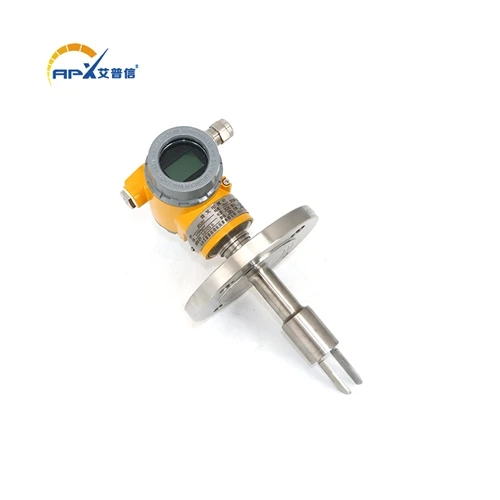
First off, let's talk a bit about what a small tuning fork sensor is. It's a compact device that works based on the principle of vibration. When the tuning fork comes into contact with a material, its vibration frequency changes. This change is then detected and can be used to trigger an output signal. It's a simple yet effective way to detect the presence or absence of a substance.
Now, let's think about the ceramic industry. Ceramics are made from a variety of raw materials, including clay, feldspar, and quartz. These materials are usually in a powder or granular form during the production process. One of the key challenges in the ceramic industry is to accurately monitor the level of these materials in storage silos, hoppers, and conveyors.
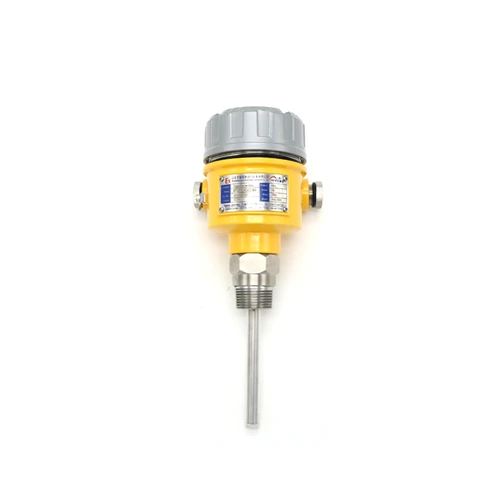
This is where our small tuning fork sensors can really shine. For example, in a storage silo filled with ceramic powder, a Stainless steel shell G1/2 "threaded small tuning fork level switch can be installed at a specific height. When the powder level reaches the sensor, the tuning fork's vibration is dampened, and the sensor sends a signal indicating that the silo is almost full. This helps prevent overfilling, which can lead to spills and waste.
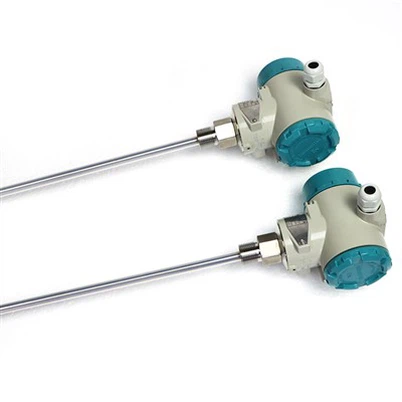
Similarly, in a hopper that feeds ceramic powder into a production line, a Vibration type stainless steel compact tuning fork level switch can be used to ensure that there is always an adequate supply of material. If the level in the hopper drops too low, the sensor can trigger an alarm or activate a refill mechanism.
Another important aspect of the ceramic production process is the mixing of different raw materials. In a mixer, a Vibrating level switch can be used to monitor the level of each material being added. This ensures that the correct proportions are maintained, which is crucial for the quality of the final ceramic product.
The Level switch vibration type is also useful in conveyor systems. It can detect if there is a blockage or if the material flow has stopped. This early detection allows for quick intervention, reducing downtime and improving overall productivity.
One of the great things about our small tuning fork sensors is their durability. They are typically made of stainless steel, which can withstand the harsh conditions often found in the ceramic industry, such as high temperatures, dust, and abrasion. This means that they can provide reliable performance over a long period of time, without the need for frequent maintenance.
In addition, these sensors are easy to install. They can be simply mounted on the side of a silo, hopper, or conveyor using standard mounting hardware. And because they are small in size, they don't take up much space, making them suitable for use in tight spaces.
Now, you might be wondering about the cost. Compared to some other types of level sensors, our small tuning fork sensors are relatively affordable. They offer a cost-effective solution for level monitoring in the ceramic industry, especially for small and medium-sized enterprises.


But don't just take my word for it. Many ceramic manufacturers have already started using our Tuning fork switch and have reported significant improvements in their production processes. They have seen reduced waste, improved quality control, and increased productivity.
If you're in the ceramic industry and are looking for a reliable and cost-effective way to monitor the level of your raw materials, I encourage you to consider our small tuning fork sensors. We can provide you with detailed information about the different models available, as well as technical support and installation guidance.
Whether you need a sensor for a small hopper or a large storage silo, we have the right solution for you. So, if you're interested in learning more or want to discuss your specific requirements, don't hesitate to get in touch. We're here to help you find the best level monitoring solution for your ceramic production process.
In conclusion, small tuning fork sensors can definitely be used in the ceramic industry. Their ability to accurately detect the level of materials, combined with their durability, ease of installation, and affordability, make them an ideal choice for ceramic manufacturers. So, if you haven't already, it's time to give these sensors a try and see the difference they can make in your production process.
References
- General knowledge about tuning fork sensors and the ceramic industry.
- Experience from working with ceramic manufacturers who have used our small tuning fork sensors.