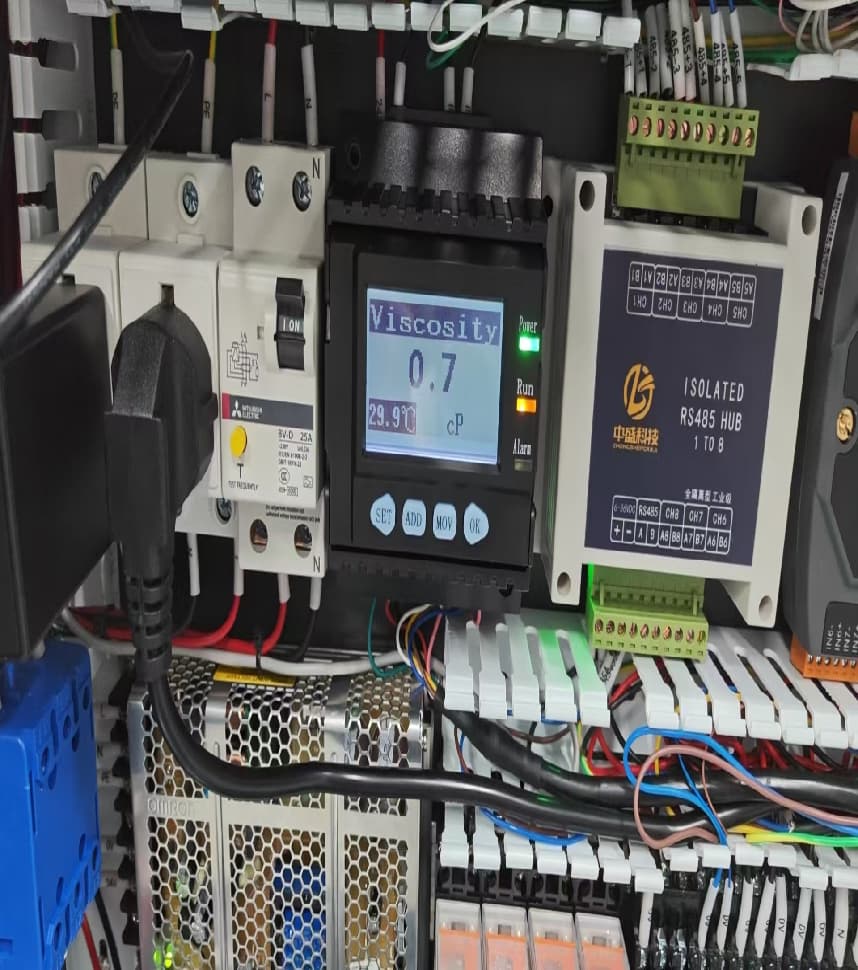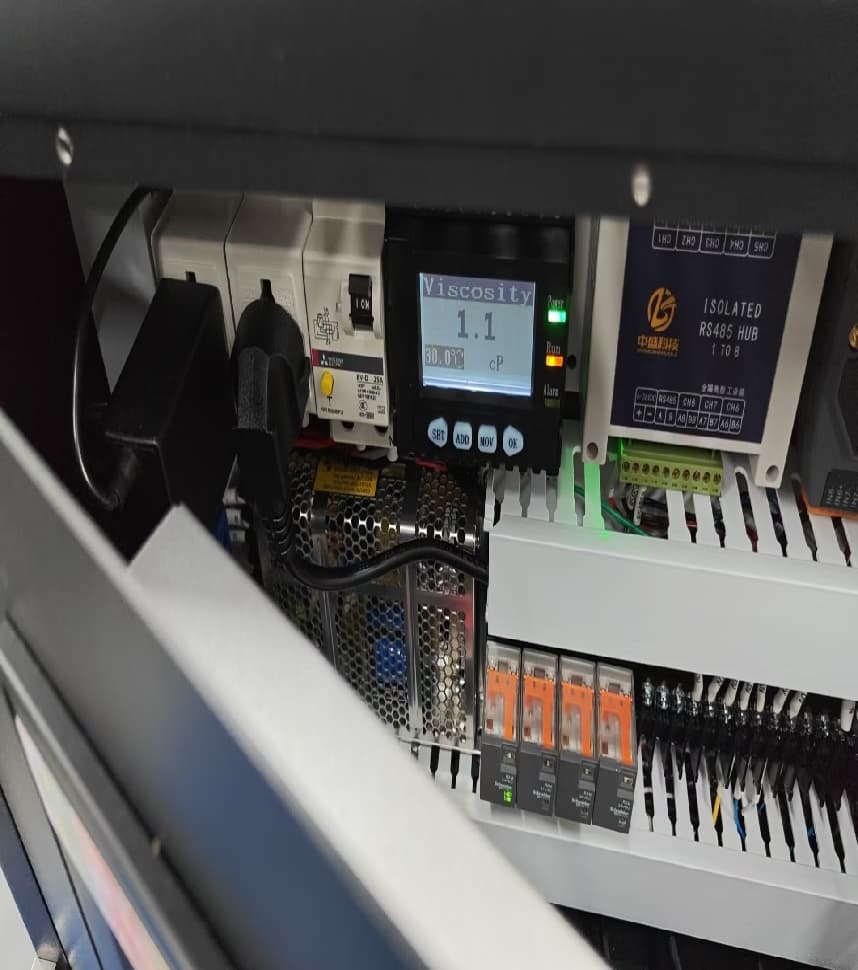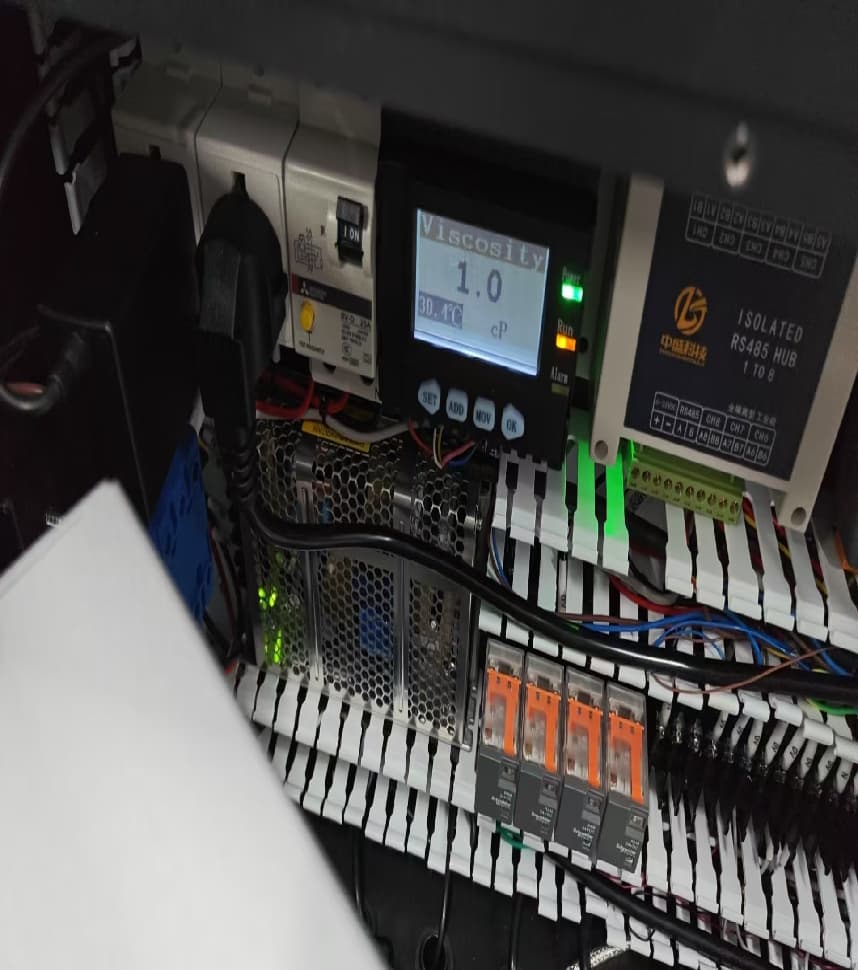

Why Three Online Viscosity Meters On The Same Water Line Can Read Differently—And What Tolerance To Expect
Leave a message
Three online viscosity meters on the same water pipeline often show different readings-even when measuring the same fluid at the same time. This is normal, and the reasons come down to fluid behavior, instrument tolerances, and installation differences.
Tap water viscosity is not a fixed value. It varies by region and temperature, typically ranging from 0.9 to 1.7 cP. A reading that looks off may simply reflect the actual water condition at that point in the line.
There is a practical tolerance to work within. Below 10 cP, a deviation of up to 0.3 cP is acceptable. Above 10 cP, the error should stay within three percent. These figures give a reasonable benchmark for judging meter performance.
Even so, some unit-to-unit variation is expected. Each meter has its own structure and calibration history, so small differences appear after installation. The recommended approach is to calibrate against the actual medium being measured. After installation, any remaining offset can be corrected through the meter's deviation adjustment function.
For facilities running multiple meters on one line, the takeaway is simple: confirm the real viscosity under operating conditions, apply the correct tolerance band, and fine-tune each instrument individually. That keeps discrepancies within reason and the data trustworthy.