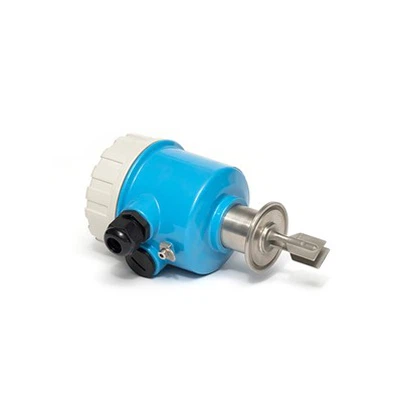

What is the sensitivity of a capacitive switch?
Leave a message

Hey there! As a supplier of capacitive switches, I often get asked about the sensitivity of these nifty little devices. So, let's dive right in and explore what the sensitivity of a capacitive switch really means.
What is a Capacitive Switch?
First off, let's quickly recap what a capacitive switch is. A capacitive switch works based on the principle of capacitance. Capacitance is the ability of a system to store an electric charge. In a capacitive switch, when an object (like a finger) approaches the switch, it changes the capacitance of the system. This change is detected by the switch's electronics, and it triggers an action, like turning on a light or activating a device.
Understanding Sensitivity
The sensitivity of a capacitive switch refers to how easily the switch can detect a change in capacitance and trigger a response. It's like how sensitive your ears are to different sounds. Some people can hear very faint noises, while others need louder sounds to notice. Similarly, a highly sensitive capacitive switch can detect even the slightest change in capacitance, while a less sensitive one needs a more significant change.
There are a few factors that can affect the sensitivity of a capacitive switch:
1. Electrode Design
The design of the electrodes in the capacitive switch plays a huge role. Electrodes are the conductive parts that sense the change in capacitance. If the electrodes are larger, they can cover a bigger area and are more likely to detect a change when an object approaches. On the other hand, smaller electrodes might be less sensitive because they have a smaller area to sense the change.
2. Dielectric Material
The dielectric material between the electrodes also matters. A dielectric is an insulating material that can store electrical energy. Different dielectric materials have different dielectric constants, which affect how much capacitance the switch can have. Materials with higher dielectric constants can increase the sensitivity of the switch because they allow more charge to be stored.
3. Environmental Conditions
The environment where the capacitive switch is used can impact its sensitivity. For example, humidity can change the electrical properties of the air around the switch, which might affect the capacitance. Temperature can also have an effect. Extreme temperatures can cause the materials in the switch to expand or contract, which could change the distance between the electrodes and alter the sensitivity.
Why Sensitivity Matters
The sensitivity of a capacitive switch is crucial in many applications. Let's take a look at a few examples:
1. Touchscreen Devices
In touchscreen devices like smartphones and tablets, the sensitivity of the capacitive switches is what allows us to interact with the screen. If the switches aren't sensitive enough, we might have to press really hard or multiple times to get a response. On the other hand, if they're too sensitive, they might register accidental touches. So, getting the right sensitivity is key to providing a smooth and user - friendly experience.
2. Industrial Applications
In industrial settings, capacitive switches are used for things like level sensing. For example, a Liquid Level Capacitive Sensor can detect the level of a liquid in a tank. The sensitivity of the switch determines how accurately it can detect the liquid level. If it's not sensitive enough, it might not detect small changes in the liquid level, which could lead to inaccurate readings.
3. Automotive Applications
In cars, capacitive switches are used for various functions, such as touch - sensitive controls on the dashboard. The sensitivity of these switches ensures that drivers can easily operate them without having to take their eyes off the road for too long. A well - calibrated sensitivity makes the controls responsive and safe to use.
Adjusting Sensitivity
As a supplier, we understand that different applications require different levels of sensitivity. That's why we offer capacitive switches that can be adjusted. There are a few ways to adjust the sensitivity:
1. Software Configuration
Many of our capacitive switches come with software that allows users to adjust the sensitivity settings. This is a convenient way to fine - tune the switch for a specific application. You can increase or decrease the sensitivity based on your needs, all with just a few clicks.
2. Hardware Modifications
In some cases, hardware modifications might be necessary to adjust the sensitivity. This could involve changing the size of the electrodes or the type of dielectric material. Our team of experts can work with you to determine the best hardware modifications for your application.
Comparing Different Sensitivity Levels
Let's compare a highly sensitive capacitive switch with a less sensitive one.
A highly sensitive switch is great for applications where you need to detect very small changes. For example, in a capacitive level switch used to measure the level of a liquid in a precision chemical process, a highly sensitive switch can detect even the slightest change in the liquid level. However, it might also be more prone to false triggers from environmental factors like dust or small vibrations.
A less sensitive switch, on the other hand, is more robust and less likely to be affected by minor environmental changes. It's a good choice for applications where you only need to detect significant changes. For instance, in a simple on/off switch for a household appliance, a less sensitive switch can work well without being overly affected by normal environmental variations.
Importance of Calibration
Calibration is an essential part of ensuring the proper sensitivity of a capacitive switch. Just like you need to calibrate a scale to get accurate weight measurements, you need to calibrate a capacitive switch to get the right sensitivity.
We provide calibration services to make sure that our capacitive switches are set up correctly for your specific application. Our calibration process involves testing the switch under different conditions and adjusting the sensitivity settings until it meets your requirements.


Our Product Range
We offer a wide range of capacitive switches with different sensitivity levels to meet the needs of various industries. Whether you're looking for a highly sensitive switch for a precision application or a more robust, less sensitive one for a general - purpose use, we've got you covered.
One of our popular products is the 4 - 20mA capacitive water level gauge. This gauge is designed to accurately measure the water level in tanks. It has adjustable sensitivity settings, so you can customize it to your specific tank and application.
Conclusion
The sensitivity of a capacitive switch is a crucial factor that can make or break its performance in different applications. As a supplier, we're committed to providing high - quality capacitive switches with the right sensitivity levels for your needs. Whether you're in the consumer electronics, industrial, or automotive industry, we can help you find the perfect capacitive switch.
If you're interested in learning more about our capacitive switches or have specific requirements for your project, don't hesitate to reach out. We're here to assist you with all your capacitive switch needs and are ready to have a detailed discussion about your procurement requirements.
References
- Smith, J. (2020). Capacitive Sensing Technology: Principles and Applications. Electronics Journal.
- Johnson, A. (2019). Understanding Capacitive Switches and Their Sensitivity. Industrial Automation Magazine.