
What is the price range of Tuning Fork Level Sensors?
Leave a message

Hey there! As a supplier of Tuning Fork Level Sensors, I often get asked about the price range of these nifty devices. So, I thought I'd break it down for you in this blog post.
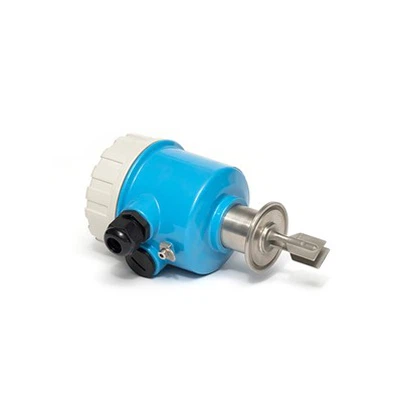
First off, let's talk about what Tuning Fork Level Sensors are. They're used to detect the level of liquids or solids in a container. When the fork comes into contact with the material, its vibration frequency changes, and this change is detected to signal the presence or absence of the substance.
Now, the price of Tuning Fork Level Sensors can vary quite a bit. There are several factors that influence the cost, and we'll go through them one by one.
Factors Affecting the Price
1. Material and Build Quality
The materials used in the construction of the sensor play a huge role in determining its price. Sensors made from high - quality, durable materials like stainless steel are generally more expensive. Stainless steel is resistant to corrosion, which makes it suitable for use in harsh environments. On the other hand, sensors made from cheaper plastics might be more budget - friendly but may not last as long, especially if they're exposed to corrosive substances.
For example, if you need a sensor for a chemical processing plant where there are highly corrosive chemicals, you'll probably want to go for a sensor with a corrosion - resistant coating or made from a high - grade alloy. These types of sensors can cost anywhere from $200 to $500 or more, depending on the specific requirements.
2. Sensor Size and Design
The size of the tuning fork also affects the price. Larger forks are typically more expensive because they require more material and may be more complex to manufacture. Additionally, sensors with special designs, such as those with a compact form factor for use in tight spaces or those with a unique shape for specific applications, can be pricier.
A standard - sized tuning fork level sensor for general industrial use might cost around $150 - $300. However, if you need a custom - sized or specially designed sensor, the price could jump to $400 or higher.
3. Functionality and Features
Sensors with more advanced functionality and features will naturally cost more. For instance, some tuning fork level sensors come with built - in alarms that can be set to trigger when a certain level is reached. Others may have the ability to communicate with a control system via various protocols like Modbus or Profibus.
A basic tuning fork level sensor that simply detects the presence or absence of a material might cost around $100 - $200. But a sensor with advanced features like remote monitoring and communication capabilities could cost upwards of $300 - $600.
4. Certification and Compliance
If the sensor needs to meet certain industry standards or certifications, such as explosion - proof certifications for use in hazardous environments, the price will increase. These certifications require additional testing and manufacturing processes to ensure the safety and reliability of the sensor.
An explosion - proof tuning fork level sensor can cost between $300 and $800, depending on the specific certification requirements and the complexity of the design.
Price Ranges in the Market
Based on the factors mentioned above, here's a general price range you can expect for Tuning Fork Level Sensors:
-
Budget - friendly options: For simple applications where you don't need advanced features or high - end materials, you can find tuning fork level sensors in the range of $100 - $200. These sensors are usually made from basic plastics or lower - grade metals and have basic detection capabilities.
-
Mid - range sensors: These sensors offer a good balance between quality, functionality, and price. They're typically made from stainless steel or other durable materials and may have some additional features like adjustable sensitivity. The price for mid - range sensors is usually between $200 - $400.
-
High - end sensors: For applications that require the highest level of performance, durability, and advanced features, high - end tuning fork level sensors are the way to go. These sensors can cost anywhere from $400 to $800 or more, especially if they have explosion - proof certifications or are designed for very specific and demanding applications.
Some Popular Models and Their Price Ranges
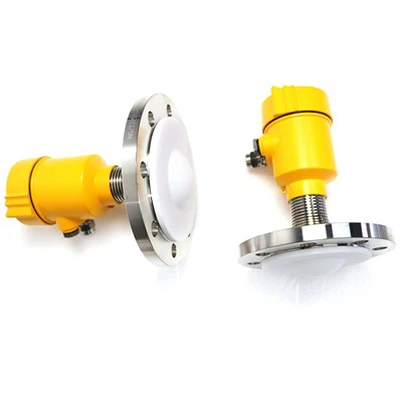
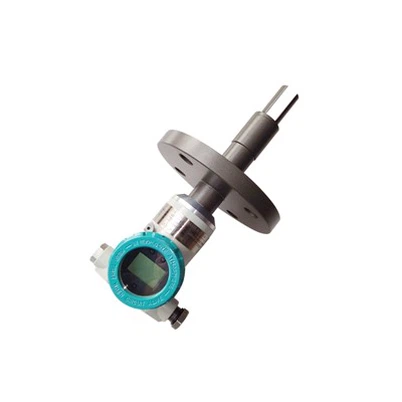
Let's take a look at some specific models and their approximate price ranges. You can check out the Vibrating Fork Level for more details on a popular type of tuning fork level sensor. This model offers reliable performance and is suitable for a wide range of applications. It usually falls in the mid - range price category, around $250 - $350.
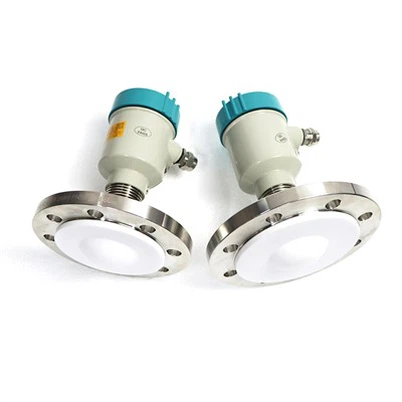
The PTFE anti - corrosion liquid level alarm switch controller is another great option. As the name suggests, it's designed to be corrosion - resistant, making it ideal for use in chemical and industrial applications. This sensor can be a bit more expensive, typically in the range of $300 - $500.
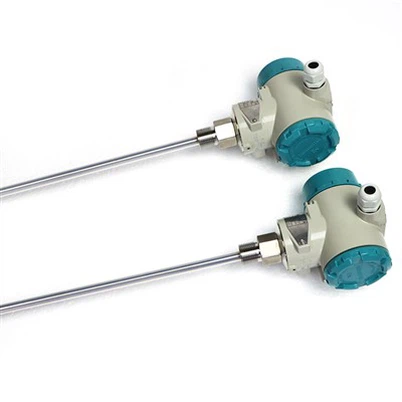
If you're looking for a standard version, the G1 "thread standard version Vibrating level switches is a popular choice. It's well - built and offers good value for money, with a price usually between $200 - $300.
How to Choose the Right Sensor for Your Budget
When choosing a Tuning Fork Level Sensor, it's important to consider your specific needs and budget. Don't just go for the cheapest option if it doesn't meet your requirements. On the other hand, there's no need to overspend on features you won't actually use.


First, determine the type of material you'll be detecting and the environment in which the sensor will be used. This will help you decide on the appropriate material and build quality. Then, think about the features you need. Do you need an alarm? Do you need to communicate with a control system? Make a list of your must - have features and use that to narrow down your options.
Once you've identified a few suitable sensors, compare their prices and features. Look for reviews and testimonials from other users to get an idea of their performance and reliability.
Contact for Purchase and Negotiation
If you're interested in purchasing Tuning Fork Level Sensors or want to discuss your specific requirements, feel free to reach out. We're here to help you find the right sensor at the best price. Whether you're a small business or a large industrial operation, we can work with you to meet your needs. Just drop us a message, and we'll start the conversation.
References
- Industrial Sensor Handbook, Third Edition
- Level Measurement Technology Guide