

What is the maximum filling speed that a Grain Silo Radar Level Sensor can handle?
Leave a message

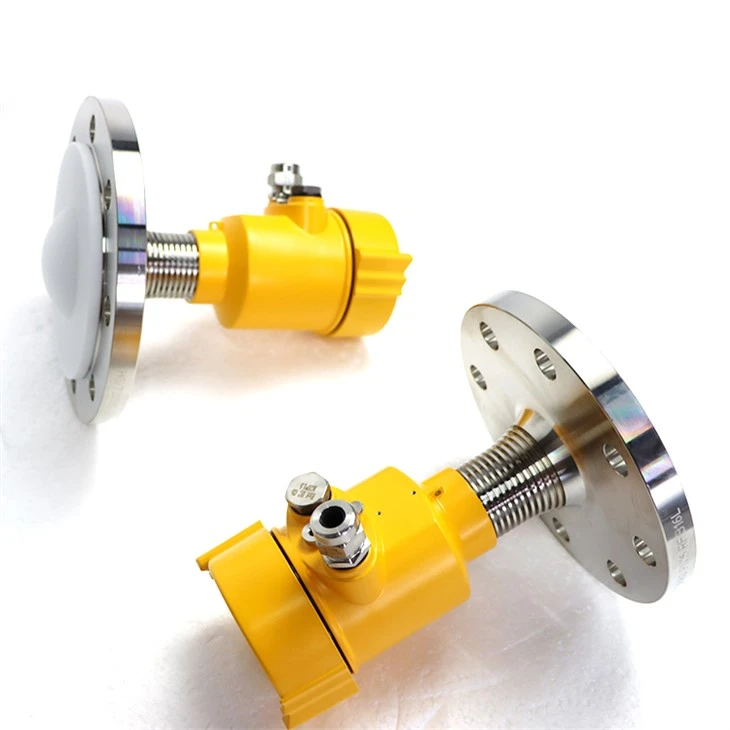
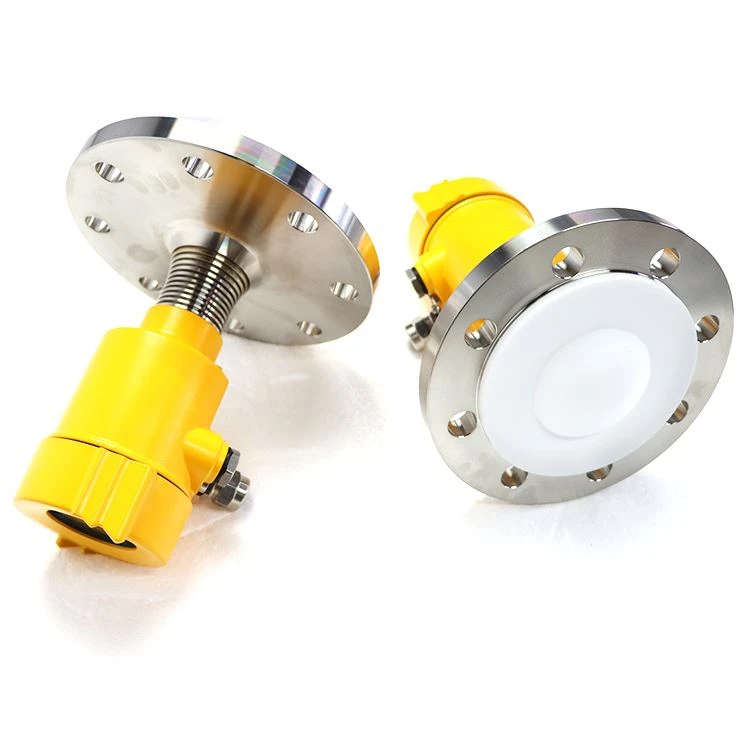
Hey there! As a supplier of Grain Silo Radar Level Sensors, I often get asked about the maximum filling speed these sensors can handle. It's a crucial question, especially for those in the grain storage and handling industry. So, let's dive right in and explore this topic in detail.
How Grain Silo Radar Level Sensors Work
Before we talk about the maximum filling speed, it's important to understand how these sensors work. Grain Silo Radar Level Sensors use radar technology to measure the level of grain in a silo. They emit microwave signals that bounce off the surface of the grain and return to the sensor. By analyzing the time it takes for the signals to return, the sensor can accurately determine the level of the grain.
These sensors are highly accurate and reliable, making them a popular choice for grain storage facilities. They can work in a variety of conditions, including dusty environments and extreme temperatures. Plus, they don't require any contact with the grain, which reduces the risk of contamination and damage to the sensor.
Factors Affecting the Maximum Filling Speed
Now, let's get to the main question: what's the maximum filling speed that a Grain Silo Radar Level Sensor can handle? Well, the answer isn't straightforward, as it depends on several factors.
1. Sensor Design and Specifications
Different sensors have different capabilities when it comes to handling high filling speeds. Some sensors are designed to handle faster filling rates than others. For example, sensors with higher sampling rates can provide more frequent measurements, which is essential when the filling speed is high.
The antenna design of the sensor also plays a role. A well-designed antenna can ensure that the radar signals are transmitted and received effectively, even at high filling speeds. Some sensors are equipped with advanced signal processing algorithms that can filter out noise and interference, allowing for accurate measurements in challenging conditions.
2. Grain Characteristics
The type and characteristics of the grain being filled can also affect the maximum filling speed. For instance, fine-grained materials like flour or cornmeal can create more dust during filling, which can interfere with the radar signals. On the other hand, larger grains like wheat or barley may not generate as much dust, but they can cause more mechanical stress on the sensor if the filling speed is too high.
The density and flowability of the grain are also important factors. Dense grains may require a slower filling speed to prevent overloading the silo, while grains with poor flowability may need a more controlled filling process to ensure even distribution.
3. Silo Geometry
The shape and size of the silo can impact the filling speed. A tall and narrow silo may have different filling dynamics compared to a short and wide one. In a tall silo, the grain may fall from a greater height, which can increase the impact force and potentially affect the sensor's performance.
The presence of internal structures in the silo, such as baffles or agitators, can also influence the filling speed. These structures can disrupt the flow of the grain and create turbulence, which may require a slower filling rate to maintain accurate level measurements.
Typical Maximum Filling Speeds
Based on our experience and industry standards, most Grain Silo Radar Level Sensors can handle filling speeds ranging from 10 to 50 cubic meters per hour. However, some high-performance sensors can handle speeds of up to 100 cubic meters per hour or more.
It's important to note that these are just general guidelines, and the actual maximum filling speed will depend on the specific sensor model, the grain characteristics, and the silo geometry. Before installing a sensor, it's recommended to consult with the sensor manufacturer or a qualified engineer to determine the optimal filling speed for your application.
Ensuring Accurate Measurements at High Filling Speeds
To ensure accurate measurements at high filling speeds, there are several steps you can take.
1. Proper Sensor Installation
Make sure the sensor is installed correctly according to the manufacturer's instructions. This includes mounting the sensor at the right height and angle, ensuring proper alignment, and providing adequate clearance around the sensor. A poorly installed sensor may not be able to provide accurate measurements, especially at high filling speeds.
2. Regular Maintenance
Regular maintenance is essential to keep the sensor in good working condition. This includes cleaning the sensor to remove any dust or debris that may accumulate on the antenna, checking the connections for loose wires or corrosion, and calibrating the sensor periodically to ensure accurate measurements.
3. Monitoring and Adjustment
Monitor the sensor's performance during the filling process and make adjustments as needed. If you notice any issues, such as inaccurate measurements or signal interference, consult with the sensor manufacturer or a qualified technician to troubleshoot the problem.
Other Related Products
In addition to Grain Silo Radar Level Sensors, we also offer a range of other products that may be useful for your grain storage and handling needs. Check out our Hydrology Instruments for accurate water level measurements in hydrological applications. Our Anti corrosion high-temperature antenna water level radar sensor is designed to withstand harsh environments and provide reliable water level monitoring. And of course, don't forget to explore our Grain bin level sensors for a wide range of options to suit your specific requirements.
Conclusion
In conclusion, the maximum filling speed that a Grain Silo Radar Level Sensor can handle depends on several factors, including the sensor design, the grain characteristics, and the silo geometry. While most sensors can handle filling speeds ranging from 10 to 100 cubic meters per hour, it's important to consult with the sensor manufacturer or a qualified engineer to determine the optimal filling speed for your application.
By following the proper installation, maintenance, and monitoring procedures, you can ensure accurate measurements at high filling speeds and get the most out of your Grain Silo Radar Level Sensor.
If you're interested in learning more about our Grain Silo Radar Level Sensors or have any questions about the maximum filling speed, don't hesitate to reach out. We're here to help you find the best solution for your grain storage and handling needs. Contact us today to start a conversation about your requirements and explore how our sensors can benefit your operation.
References
- Manufacturer's documentation for Grain Silo Radar Level Sensors
- Industry standards and guidelines for grain storage and handling
- Technical papers and research on radar level sensing technology





