
What is the difference between a capacitive switch and a mechanical switch?
Leave a message

Hey there! As a supplier of capacitive switches, I often get asked about the differences between capacitive switches and mechanical switches. It's a hot topic, especially in industries where choosing the right switch can make or break the performance of a system. So, let's dive right in and explore these differences together.
How They Work
First off, let's talk about how these two types of switches operate. A mechanical switch is pretty straightforward. It's like the old - fashioned light switch on your wall. When you press it, a physical contact is made or broken. There are moving parts inside, like springs and contacts. When you push the button, the spring compresses, and the contacts touch each other, allowing electricity to flow. When you release the button, the spring returns to its original position, and the contacts separate, cutting off the electrical current.
On the other hand, a capacitive switch works based on changes in capacitance. Capacitance is the ability of a system to store an electrical charge. A capacitive switch has an electrode that creates an electric field. When you bring your finger or an object close to the switch, the presence of the object changes the capacitance of the system. The switch detects this change in capacitance and registers it as an "on" or "off" signal. There are no moving parts involved in this process.
Durability
Durability is a big deal when it comes to switches. Mechanical switches have been around for a long time, and they're known for their reliability in some cases. But they do have a limited lifespan. The moving parts inside a mechanical switch wear out over time. Every time you press and release the switch, the contacts rub against each other, and the springs lose their elasticity. This can lead to problems like poor electrical contact, which means the switch might not work properly or might even fail completely.
Capacitive switches, on the other hand, have a much longer lifespan. Since there are no moving parts, there's no wear and tear due to mechanical action. They can withstand millions of operations without any significant degradation in performance. This makes them a great choice for applications where the switch will be used frequently, like in industrial control panels or consumer electronics.
Sensitivity and Precision
When it comes to sensitivity, capacitive switches take the lead. They can detect very small changes in capacitance, which means they can be activated by a light touch or even the proximity of an object. This makes them ideal for applications where you need a gentle touch, like touchscreens on smartphones or tablets. You can operate a capacitive switch with just the tip of your finger, and it will respond quickly and accurately.
Mechanical switches, however, require a certain amount of force to be activated. You need to press the button hard enough to make the contacts close. This can be a drawback in some applications where you need a more delicate touch. Also, mechanical switches might not be as precise as capacitive switches. There can be some variation in the force required to activate the switch, which can lead to inconsistent performance.
Environmental Resistance
The environment in which a switch operates can have a big impact on its performance. Mechanical switches are vulnerable to dust, dirt, and moisture. The moving parts inside the switch can get clogged with dust, and moisture can cause corrosion of the contacts. This can lead to malfunctions or reduced lifespan.
Capacitive switches are much more resistant to environmental factors. They can be sealed to prevent dust and moisture from entering the switch. Since there are no moving parts, there's no risk of clogging. They can also operate in a wider range of temperatures compared to mechanical switches. This makes them suitable for use in harsh industrial environments, outdoor applications, or even in wet conditions.
Cost
Cost is always a consideration when choosing a switch. Mechanical switches are generally cheaper to manufacture. They have a simple design with fewer components, which makes them more affordable. This is why they're still widely used in many applications where cost is a major factor, like in some basic household appliances.


Capacitive switches, on the other hand, are more expensive. They require more sophisticated technology to detect changes in capacitance, and they often need additional components for signal processing. However, when you consider the long - term benefits, such as longer lifespan, better performance, and environmental resistance, the higher cost of capacitive switches can be justified in many cases.
Applications
Now, let's talk about some specific applications for each type of switch. Mechanical switches are commonly used in applications where a physical button press is required, like on traditional keyboards, light switches, and some industrial control panels. They're also used in applications where a high - current load needs to be switched, since they can handle larger electrical currents compared to capacitive switches.
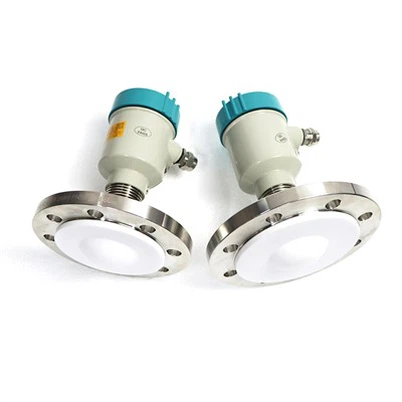
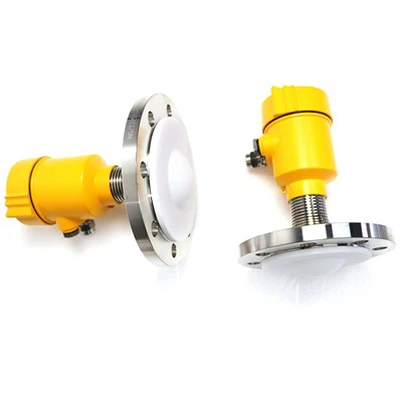
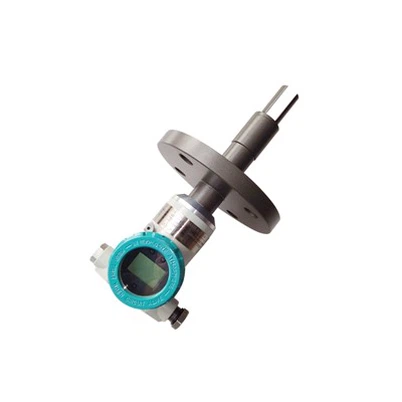
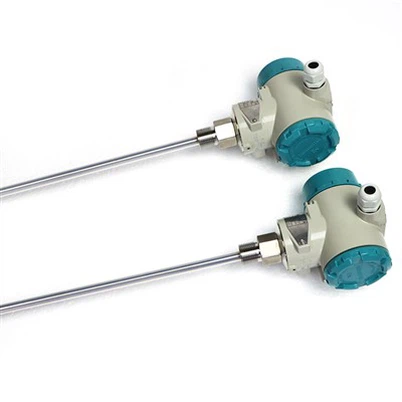
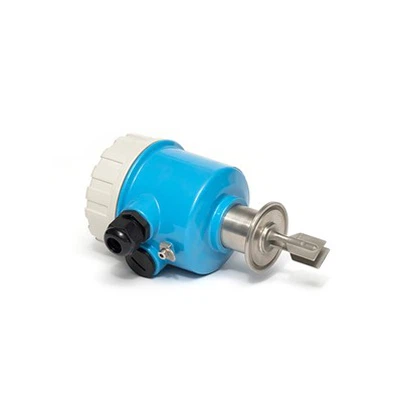
Capacitive switches have a wide range of applications. They're used in consumer electronics, such as touchscreens on smartphones, tablets, and laptops. They're also used in industrial automation for level measurement. For example, a Capacitance point level switch can be used to detect the level of liquids or solids in a tank. Another application is in fuel level measurement. A Capacitive sensor, used to measure the fuel level in the fuel tank can provide accurate readings without any moving parts. And the Intelligent Industry Radio Frequency RF Admittance Capacitance Level Switch level measurement is used in industrial processes to monitor the level of substances with high precision.
Conclusion
In conclusion, both capacitive switches and mechanical switches have their own advantages and disadvantages. Mechanical switches are simple, inexpensive, and can handle high - current loads. But they have a limited lifespan, are less sensitive, and are vulnerable to environmental factors.
Capacitive switches, on the other hand, offer longer lifespan, high sensitivity, better environmental resistance, and precision. They're more expensive, but the benefits they offer make them a great choice for many applications.
If you're in the market for a switch and need to make a decision, I'd be more than happy to help. Whether you need a switch for a consumer electronics project, an industrial application, or something else, we can provide you with the right capacitive switch solution. Contact us to start a procurement discussion and find out how our capacitive switches can meet your needs.
References
- "Electrical Switches: Types and Applications" - Electrical Engineering textbooks
- "Capacitive Sensing Technology" - Industry research papers