
What is the anti - interference ability of a Radar Water Level Gauge?
Leave a message

What is the anti - interference ability of a Radar Water Level Gauge?
As a leading supplier of radar water level gauges, we are frequently asked about the anti - interference ability of our products. In this blog, I'll delve deep into this topic, providing comprehensive insights into what anti - interference ability means in the context of radar water level gauges and why it matters.
Understanding Radar Water Level Gauges
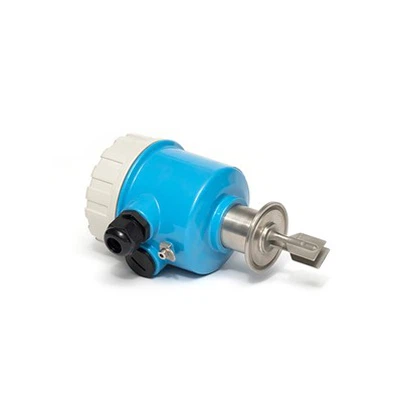
Before we discuss anti - interference ability, it's essential to understand how radar water level gauges work. A radar water level gauge, also known as a Radar level transmitter, operates on the principle of sending out electromagnetic waves. These waves travel towards the water surface, and upon hitting it, they are reflected back to the gauge. The gauge then calculates the distance between itself and the water surface based on the time it takes for the waves to travel to the water and back. This distance measurement is then used to determine the water level.
The Concept of Anti - Interference Ability
Anti - interference ability refers to the gauge's capacity to accurately measure the water level even in the presence of various external factors that could potentially disrupt the normal operation of the device. These external factors can be broadly classified into environmental and operational interferences.
Environmental Interferences
- Weather Conditions: Adverse weather conditions such as heavy rain, snow, fog, or strong winds can significantly affect the performance of a radar water level gauge. For example, raindrops or snowflakes in the air can scatter the electromagnetic waves sent out by the gauge, leading to false reflections. Our Radar type water level sensor is equipped with advanced signal processing algorithms. These algorithms can distinguish between the reflections from the water surface and those from raindrops or snowflakes. They analyze the characteristics of the reflected signals, such as the strength, frequency, and time of arrival, and filter out the unwanted signals caused by weather elements.
- Temperature and Humidity: Extreme temperature and high humidity can also cause problems. Temperature variations can lead to changes in the dielectric constant of the air, which affects the propagation speed of electromagnetic waves. High humidity can cause moisture to accumulate on the antenna of the gauge, altering the way the waves are transmitted and received. Our gauges are designed with temperature and humidity compensation mechanisms. These mechanisms continuously monitor the environmental conditions and adjust the measurement parameters accordingly to ensure accurate readings.
- Surrounding Objects: Nearby structures, vegetation, or floating debris can create additional reflections that interfere with the measurement of the water level. Our radar water level gauges use advanced beam - shaping techniques. By focusing the electromagnetic waves in a narrow beam towards the water surface, the influence of surrounding objects is minimized. The signal processing software also has the ability to identify and ignore reflections from non - water sources.
Operational Interferences
- Electromagnetic Interference (EMI): In industrial areas or near power lines, there is a high probability of electromagnetic interference. Other electronic devices operating in the vicinity can emit electromagnetic waves that may interfere with the radar signals of the water level gauge. Our gauges are shielded to prevent external electromagnetic fields from affecting the internal circuitry. Additionally, they operate on specific frequencies that are carefully selected to avoid popular frequency bands used by other devices, reducing the risk of interference.
- Multiple Gauges in Proximity: In some applications, multiple radar water level gauges may be installed close to each other. The signals from one gauge can potentially interfere with those of another, leading to inaccurate measurements. To address this issue, our gauges support time - division multiplexing and frequency - hopping techniques. Time - division multiplexing ensures that each gauge operates at a different time, while frequency - hopping allows the gauges to change their operating frequencies periodically, minimizing the chances of mutual interference.
Importance of Anti - Interference Ability
The anti - interference ability of a radar water level gauge is of utmost importance for several reasons.
- Accuracy: In applications such as flood monitoring, water resource management, and industrial water level control, accurate water level measurements are crucial. Any interference that leads to inaccurate readings can have serious consequences. For example, in flood warning systems, an incorrect water level measurement may result in delayed or false alarms, putting lives and property at risk.
- Reliability: A gauge with high anti - interference ability is more reliable in the long run. It can operate continuously without being affected by external factors, reducing the need for frequent maintenance and calibration. This is especially important in remote or hard - to - reach locations where regular maintenance can be challenging.
- Cost - effectiveness: By minimizing the impact of interferences, our radar water level gauges reduce the likelihood of measurement errors and subsequent corrective actions. This translates into cost savings for our customers, as they do not have to invest in additional equipment or resources to deal with inaccurate data.
Our Product Offerings with Enhanced Anti - Interference Ability
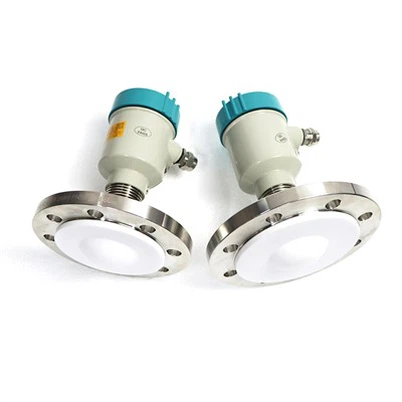
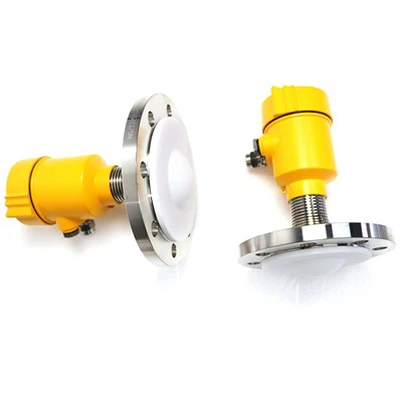
We offer a wide range of radar water level gauges, including the DN100PN16 flange mounted radar level transmitter. These products are designed with state - of the - art technology to provide superior anti - interference performance. Our research and development team is constantly working on improving the anti - interference algorithms and hardware design to meet the evolving needs of our customers.


Conclusion
In conclusion, the anti - interference ability of a radar water level gauge is a critical factor that determines its accuracy, reliability, and cost - effectiveness. As a supplier, we are committed to providing our customers with high - quality products that can withstand various interference sources. If you are in the market for a radar water level gauge, we encourage you to reach out to us for more information. Our team of experts is ready to assist you in selecting the most suitable product for your specific application. Whether it's for a large - scale water management project or a small - scale industrial use, we have the right solution for you. Contact us today to start a fruitful discussion about your requirements.
References
- "Radar Sensors for Liquid Level Measurement" - A technical guide on radar technology in liquid level applications.
- "Environmental Effects on Electromagnetic Wave Propagation" - A scientific study on how weather and environmental factors impact radar signals.
- "Electromagnetic Compatibility in Industrial Environments" - A report on dealing with electromagnetic interference in industrial settings.