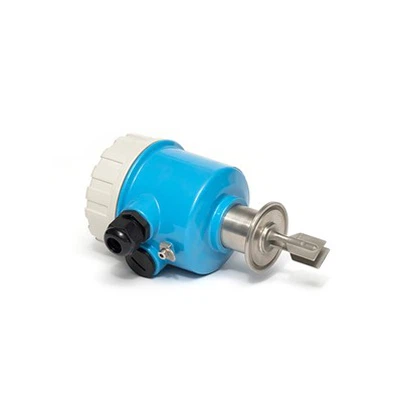

What is the accuracy of a 26G Radar Level Meter when measuring layered liquids?
Leave a message

As a supplier of 26G Radar Level Meters, I often encounter inquiries from customers about the accuracy of our products, especially when it comes to measuring layered liquids. In this blog post, I will delve into the factors that affect the accuracy of a 26G Radar Level Meter in such scenarios and provide insights based on our experience and expertise in the field.
Understanding 26G Radar Level Meters
Before we discuss the accuracy of measuring layered liquids, let's briefly understand how 26G Radar Level Meters work. These meters use radar technology to measure the distance between the sensor and the surface of the liquid. They emit high - frequency radar waves at 26 GHz, which are reflected back from the liquid surface. By measuring the time it takes for the waves to travel to the surface and back, the meter can calculate the distance and thus the level of the liquid.


One of the key advantages of 26G Radar Level Meters is their high - frequency operation. The 26 GHz frequency allows for a narrow beam angle, which means the radar waves are more focused. This results in better signal quality, less interference from the tank walls or other internal structures, and more accurate measurements.
Measuring Layered Liquids
When it comes to measuring layered liquids, the situation becomes more complex. Layered liquids refer to a situation where there are two or more immiscible liquids with different densities in a tank, such as oil floating on water. In such cases, the radar waves can interact with multiple interfaces, and the meter needs to accurately identify the interface of interest.
Factors Affecting Accuracy
-
Dielectric Constant Differences
The dielectric constant is a measure of how well a material can store electrical energy in an electric field. Different liquids have different dielectric constants. When the radar waves encounter an interface between two liquids with different dielectric constants, part of the wave is reflected and part is transmitted. The greater the difference in dielectric constants between the two liquids, the stronger the reflection at the interface. A significant difference in dielectric constants makes it easier for the radar level meter to detect the interface accurately. For example, oil and water have a relatively large difference in dielectric constants, which generally allows for better interface detection. -
Layer Thickness
The thickness of each liquid layer also plays a crucial role. If a layer is too thin, the radar waves may not be able to distinguish it clearly. For instance, if there is a very thin layer of a light - density liquid on top of a heavy - density liquid, the radar may not be able to accurately detect the interface between them. In such cases, the meter may misinterpret the signal and provide an inaccurate measurement. -
Waveguide and Installation
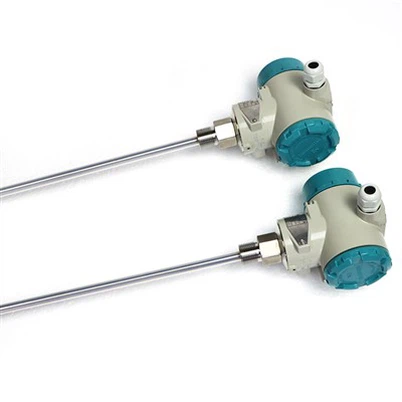
Proper installation of the 26G Radar Level Meter is essential for accurate measurement of layered liquids. Using a waveguide can help guide the radar waves and reduce interference. A waveguide is a structure that channels the radar waves along a specific path, which can improve the signal - to - noise ratio and enhance the accuracy of interface detection. Additionally, the position of the meter within the tank is important. It should be installed in a location where it can have a clear view of the liquid layers without being obstructed by internal structures or agitators. -
Tank Conditions
The conditions inside the tank, such as temperature, pressure, and the presence of foam or vapors, can also affect the accuracy of the measurement. High temperatures can cause changes in the dielectric constants of the liquids, which may lead to inaccurate readings. Foam on the liquid surface can scatter the radar waves, making it difficult for the meter to detect the true interface. Vapors can also absorb or scatter the radar waves, reducing the strength of the reflected signal.
Achieving High Accuracy
To achieve high accuracy when measuring layered liquids with a 26G Radar Level Meter, several steps can be taken.
-
Calibration
Proper calibration of the radar level meter is essential. Calibration involves setting the meter to account for the specific characteristics of the liquids being measured, such as their dielectric constants and the expected layer thicknesses. By calibrating the meter accurately, it can be optimized to detect the interfaces between the liquid layers more precisely. -
Advanced Signal Processing
Modern 26G Radar Level Meters are equipped with advanced signal - processing algorithms. These algorithms can analyze the reflected radar signals to filter out noise, identify the true interfaces, and compensate for any signal losses. For example, they can distinguish between the reflections from the liquid interfaces and those from other sources, such as the tank walls or internal structures. -
Monitoring and Maintenance
Regular monitoring and maintenance of the radar level meter are necessary to ensure its long - term accuracy. This includes checking the meter's performance, inspecting the installation for any signs of damage or misalignment, and cleaning the antenna if necessary. By keeping the meter in good working condition, any potential issues that could affect the accuracy can be detected and addressed promptly.
Our 26G Radar Level Meters for Layered Liquid Measurement
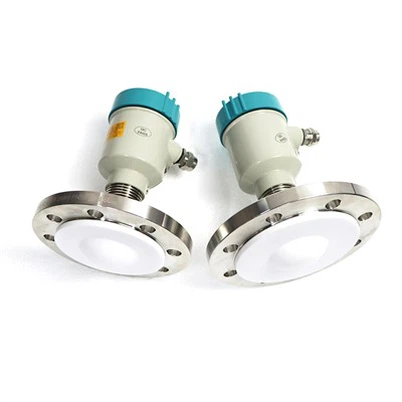
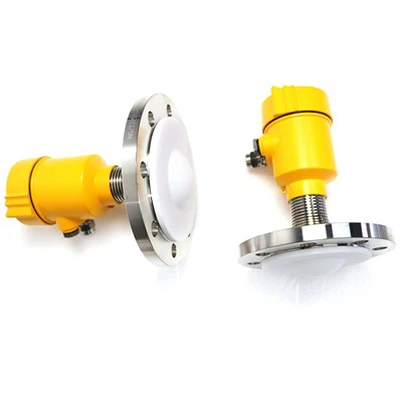
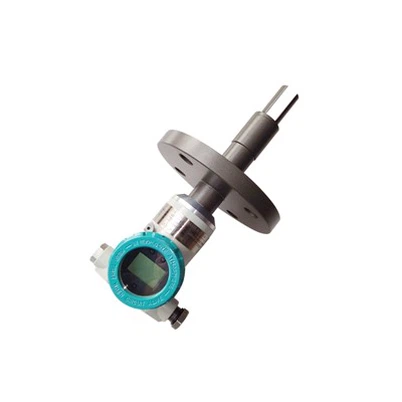
Our company offers a range of 26G Radar Level Meters that are specifically designed to handle the challenges of measuring layered liquids. These meters are equipped with state - of - the - art technology and advanced signal - processing capabilities to ensure accurate interface detection.
We also provide comprehensive support to our customers, including installation guidance, calibration services, and technical assistance. Our team of experts can help customers select the most suitable meter for their specific application and ensure that it is installed and configured correctly.
If you are looking for a reliable solution for measuring layered liquids, our 26G Radar Level Meters are a great choice. You can learn more about our non - contact high - temperature radar liquid level measurement capabilities by visiting Non contact high - temperature radar liquid level measurement. For information on our radar level switch, please visit Radar level switch. And if you are interested in our anti - corrosion high - temperature antenna water level radar sensor, check out Anti corrosion high - temperature antenna water level radar sensor.
Conclusion
Measuring layered liquids with a 26G Radar Level Meter requires a good understanding of the factors that affect accuracy. By considering the dielectric constant differences, layer thickness, waveguide and installation, and tank conditions, and by taking steps such as calibration, using advanced signal processing, and regular maintenance, high - accuracy measurements can be achieved.
Our company, as a supplier of 26G Radar Level Meters, is committed to providing high - quality products and excellent customer support. If you have any questions about measuring layered liquids or are interested in our products, we encourage you to contact us for a detailed discussion and to explore the best solutions for your specific needs.
References
- Beck, M. S., & Hall, C. A. (2012). Process Tomography: Principles, Techniques and Applications. Elsevier.
- Brown, R. A. (2008). Instrument Engineers' Handbook, Volume 2: Process Measurement and Analysis. CRC Press.
- Liptak, B. G. (2012). Instrumentation and Automation Handbook. CRC Press.