
What factors can affect the measurement accuracy of a Radar Water Level Gauge?
Leave a message

As a supplier of Radar Water Level Gauges, I've had extensive experience with these devices and understand the importance of measurement accuracy. In this blog, I'll discuss the various factors that can affect the measurement accuracy of a Radar Water Level Gauge, drawing on both my practical knowledge and industry research.
Environmental Factors
Temperature and Humidity
Temperature and humidity can have a significant impact on the performance of a Radar Water Level Gauge. Changes in temperature can cause the expansion or contraction of the radar components, leading to slight variations in the radar signal. High humidity can also affect the propagation of the radar wave, as water vapor in the air can absorb and scatter the signal.
For instance, in a hot and humid environment, the radar signal may experience more attenuation, resulting in a weaker return signal. This can make it more difficult for the gauge to accurately detect the water level. To mitigate these effects, modern Radar Water Level Gauges are often equipped with temperature and humidity compensation algorithms. These algorithms adjust the radar signal based on the ambient conditions, ensuring more accurate measurements.
Wind and Waves
Wind and waves can create a dynamic water surface, which poses a challenge for Radar Water Level Gauges. When the water surface is rough, the radar signal may be reflected in multiple directions, causing a phenomenon known as signal scattering. This can lead to inaccurate readings, as the gauge may detect multiple reflections or fail to detect the true water level.
To address this issue, some Radar Water Level Gauges are designed with advanced signal processing algorithms that can filter out the noise caused by wind and waves. These algorithms analyze the received signal and identify the most likely water level based on the characteristics of the reflection. Additionally, the installation location of the gauge can also play a role in minimizing the impact of wind and waves. Placing the gauge in a sheltered area or using a stilling well can help to calm the water surface and improve measurement accuracy.
Obstructions
Obstructions in the path of the radar signal can also affect the measurement accuracy of a Radar Water Level Gauge. Objects such as trees, buildings, or floating debris can block or reflect the radar wave, causing interference. This can result in false readings or a complete loss of signal.
When installing a Radar Water Level Gauge, it's important to ensure that the line of sight between the gauge and the water surface is clear. Avoid installing the gauge near large obstructions or in areas where floating debris is likely to accumulate. If obstructions cannot be avoided, some gauges can be configured to ignore certain reflections or use alternative measurement techniques to compensate for the interference.
Instrument-Related Factors
Antenna Design
The design of the radar antenna is crucial for accurate water level measurement. The antenna determines the directionality and beamwidth of the radar signal, which affects the ability of the gauge to detect the water surface. A well-designed antenna can focus the radar signal on the water surface, minimizing the interference from surrounding objects.
There are different types of antennas available for Radar Water Level Gauges, including horn antennas and parabolic antennas. Horn antennas are commonly used due to their wide beamwidth and high gain, which make them suitable for measuring water levels in large bodies of water. Parabolic antennas, on the other hand, have a narrower beamwidth and higher directivity, making them more suitable for applications where precise measurements are required.
Signal Processing
Signal processing is another important factor that affects the measurement accuracy of a Radar Water Level Gauge. The gauge uses signal processing algorithms to analyze the received radar signal and determine the water level. These algorithms must be able to distinguish between the reflection from the water surface and other reflections or noise in the environment.
Advanced signal processing techniques, such as pulse compression and frequency modulation, can improve the accuracy and resolution of the measurement. Pulse compression allows the gauge to transmit a short, high-power pulse and then compress the received signal to improve the range resolution. Frequency modulation, on the other hand, can be used to measure the distance to the water surface more accurately by analyzing the frequency shift of the reflected signal.
Calibration
Proper calibration is essential for ensuring the accuracy of a Radar Water Level Gauge. Calibration involves adjusting the gauge to account for any systematic errors or variations in the measurement. This can include calibrating the zero point (the point where the gauge reads zero water level) and the span (the range of water levels that the gauge can measure).
Calibration should be performed regularly, especially after installation or any significant changes to the gauge or the measurement environment. Some Radar Water Level Gauges are equipped with self-calibration features, which can automatically adjust the gauge based on the known reference points. However, manual calibration may still be required in some cases to ensure the highest level of accuracy.
Installation and Maintenance Factors
Installation Height and Angle
The installation height and angle of the Radar Water Level Gauge can have a significant impact on the measurement accuracy. The gauge should be installed at an appropriate height above the water surface to ensure that the radar signal can reach the water without being blocked or attenuated. Additionally, the angle of the gauge should be adjusted to ensure that the radar signal is perpendicular to the water surface, which maximizes the reflection and improves the measurement accuracy.
When installing the gauge, it's important to follow the manufacturer's guidelines regarding the installation height and angle. These guidelines are based on the specifications of the gauge and the characteristics of the measurement environment. Deviating from these guidelines can result in inaccurate measurements or even a complete loss of signal.
Mounting Stability
The stability of the gauge mounting is also important for accurate water level measurement. A loose or vibrating mount can cause the gauge to move, which can affect the alignment of the radar signal and lead to inaccurate readings. To ensure mounting stability, the gauge should be installed on a solid and stable structure, such as a concrete pier or a steel pole.
Regular inspections should be carried out to check the tightness of the mounting bolts and the overall stability of the mount. Any signs of movement or damage should be addressed immediately to prevent further issues.
Maintenance and Cleaning
Regular maintenance and cleaning are essential for keeping a Radar Water Level Gauge in good working condition. Dust, dirt, and debris can accumulate on the antenna or other components of the gauge, which can affect the performance of the radar signal. Additionally, the electronics of the gauge may require periodic calibration and testing to ensure accurate measurements.

Maintenance tasks may include cleaning the antenna, checking the electrical connections, and calibrating the gauge as needed. It's important to follow the manufacturer's maintenance schedule and guidelines to ensure the long-term reliability and accuracy of the gauge.
Conclusion
In conclusion, the measurement accuracy of a Radar Water Level Gauge can be affected by a variety of factors, including environmental conditions, instrument design, installation, and maintenance. As a supplier of Radar Water Level Gauges, we understand the importance of providing high-quality products that can deliver accurate and reliable measurements in a wide range of applications.
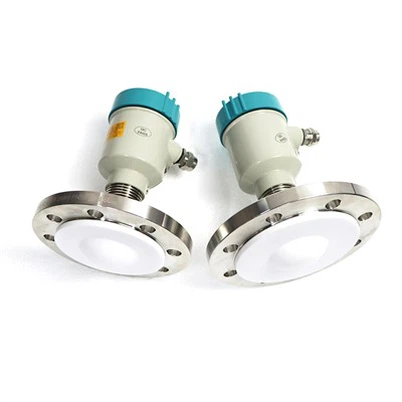
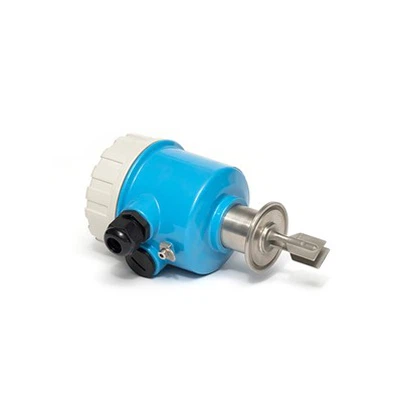
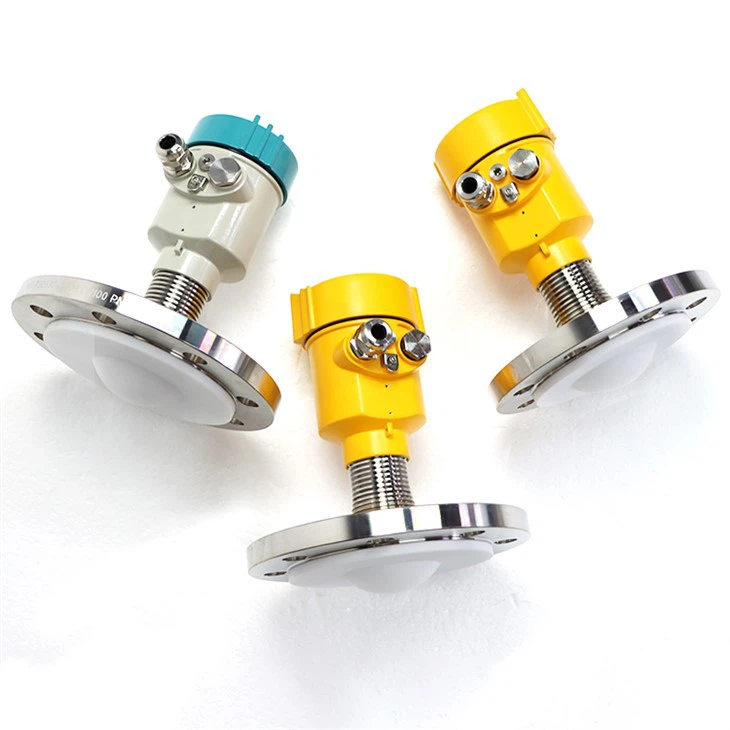
Our Radar type water level sensor is designed with advanced technology and features to minimize the impact of these factors and ensure accurate water level measurement. The DN100PN16 flange mounted radar level transmitter offers reliable performance and easy installation, while the Radar level switch provides a cost-effective solution for level detection.
If you're in the market for a Radar Water Level Gauge and want to ensure the highest level of measurement accuracy, we encourage you to contact us for more information. Our team of experts can help you select the right gauge for your application and provide you with the support and guidance you need to ensure successful installation and operation.
References
- [List of relevant industry standards and technical papers related to radar water level measurement]
- [Manufacturer's documentation for Radar Water Level Gauges]