
What are the explosion - proof requirements for capacitive level sensors in the oil and gas industry?
Leave a message

In the oil and gas industry, safety is of paramount importance, especially when it comes to the use of various instruments and sensors. Capacitive level sensors play a crucial role in monitoring the level of liquids and solids in storage tanks, pipelines, and other equipment. However, due to the presence of flammable and explosive substances in this industry, these sensors must meet strict explosion - proof requirements. As a capacitive level sensor supplier, I will delve into the explosion - proof requirements for capacitive level sensors in the oil and gas industry.
1. Understanding the Hazardous Environment in the Oil and Gas Industry
The oil and gas industry operates in a hazardous environment filled with flammable gases, vapors, and combustible dusts. These substances can form explosive mixtures with air under certain conditions. For example, in oil refineries, storage tanks often contain volatile hydrocarbons. When these hydrocarbons evaporate and mix with air in the right proportions, an explosive atmosphere can be created.
Capacitive level sensors are used in such environments to measure the level of liquids or solids. If a sensor malfunctions and generates a spark or excessive heat, it can ignite the explosive mixture, leading to a serious explosion and fire. Therefore, explosion - proof design is essential for capacitive level sensors used in the oil and gas industry.
2. Types of Explosion - Proof Protection for Capacitive Level Sensors
Intrinsic Safety (Ex i)
Intrinsic safety is a widely used explosion - proof protection method for capacitive level sensors. The principle of intrinsic safety is to limit the electrical energy in the sensor circuit to a level that is not sufficient to ignite the explosive mixture. This is achieved by carefully designing the electrical components, such as resistors, capacitors, and inductors, in the sensor.
For a capacitive level sensor with intrinsic safety protection, the energy stored in the capacitor and other components is strictly controlled. Even if there is a short - circuit or other fault in the circuit, the released energy is too low to cause an explosion. Intrinsically safe sensors are often used in Zone 0 and Zone 1 hazardous areas, where the probability of an explosive atmosphere is relatively high.
Flameproof Enclosure (Ex d)
A flameproof enclosure is another common explosion - proof measure. The sensor is housed in a strong and robust enclosure that can withstand the pressure generated by an internal explosion. If an explosion occurs inside the enclosure due to a fault in the sensor, the enclosure prevents the flame and hot gases from escaping to the outside environment.
The enclosure is designed with specific flame paths, which cool the hot gases and flames as they pass through. This ensures that the temperature of the gases and flames is reduced to a level below the ignition temperature of the external explosive mixture. Flameproof enclosures are suitable for use in Zone 1 and Zone 2 hazardous areas.
Increased Safety (Ex e)
Increased safety is a protection method that aims to reduce the likelihood of a fault occurring in the sensor. It involves using high - quality components, proper insulation, and reliable wiring to minimize the risk of electrical sparks and excessive heat. Although increased safety does not provide the same level of protection as intrinsic safety or flameproof enclosures, it can be used in less hazardous areas, such as Zone 2.
3. Standards and Certifications for Explosion - Proof Capacitive Level Sensors
To ensure the safety of capacitive level sensors in the oil and gas industry, various international and national standards have been established. These standards define the requirements for explosion - proof design, testing, and certification.
One of the most important standards is the IEC 60079 series, which is an international standard for explosive atmospheres. It covers different types of explosion - proof protection methods, such as intrinsic safety, flameproof enclosures, and increased safety. Sensors that comply with the IEC 60079 standards have undergone rigorous testing to ensure their safety and reliability in hazardous environments.
In addition to the international standards, there are also national standards in different countries. For example, in the United States, the National Electrical Code (NEC) provides guidelines for the installation and use of electrical equipment in hazardous areas. Capacitive level sensors used in the US oil and gas industry must comply with the relevant NEC requirements.
Certification bodies, such as ATEX in Europe and UL in the United States, play a crucial role in verifying that sensors meet the required standards. A sensor that has obtained ATEX or UL certification is recognized as safe for use in explosive atmospheres. When choosing a capacitive level sensor for the oil and gas industry, it is essential to select a sensor that has the appropriate certifications.
4. Design Considerations for Explosion - Proof Capacitive Level Sensors
Material Selection
The materials used in the construction of capacitive level sensors are carefully selected to meet the explosion - proof requirements. For example, the enclosure of a flameproof sensor is usually made of high - strength metals, such as stainless steel or aluminum, which can withstand the pressure of an internal explosion.
The electrical components inside the sensor also need to be made of materials with good electrical and thermal properties. For intrinsically safe sensors, the resistors and capacitors should have low power ratings and stable performance to ensure that the energy in the circuit is well - controlled.
Sealing and Insulation
Proper sealing and insulation are essential for explosion - proof sensors. The enclosure of the sensor must be well - sealed to prevent the ingress of flammable gases and vapors. Gaskets and seals are used to ensure a tight fit between different parts of the enclosure.


Insulation materials are used to isolate the electrical components from the enclosure and other conductive parts. High - quality insulation materials can prevent electrical leakage and short - circuits, reducing the risk of sparks and heat generation.
Circuit Design
The circuit design of capacitive level sensors is optimized for explosion - proof operation. In addition to limiting the electrical energy in the circuit, the circuit should also be designed to be resistant to interference. For example, filters can be used to suppress electromagnetic interference, which can cause false readings or malfunctions in the sensor.
5. Applications of Explosion - Proof Capacitive Level Sensors in the Oil and Gas Industry
Storage Tanks
Capacitive level sensors are widely used in storage tanks to monitor the level of oil, gas, and other liquids. In large - scale oil storage terminals, explosion - proof sensors are essential to ensure the safe operation of the tanks. They can provide accurate level measurements, allowing operators to manage the inventory and prevent over - filling or under - filling of the tanks.
Pipelines
In pipelines, capacitive level sensors can be used to detect the level of liquids or solids. For example, in a pipeline transporting crude oil, sensors can be installed at different points to monitor the flow and level of the oil. Explosion - proof sensors are necessary to prevent any potential ignition sources in the pipeline, which could lead to a catastrophic accident.
Refineries
Refineries are complex industrial facilities where a variety of chemical processes take place. Capacitive level sensors are used in different units of the refinery, such as distillation columns and reactors, to measure the level of liquids and solids. Explosion - proof sensors are crucial to ensure the safety of these processes and prevent any potential explosions.
6. Our Company's Offerings as a Capacitive Level Sensor Supplier
As a capacitive level sensor supplier, we offer a wide range of explosion - proof capacitive level sensors that meet the strict requirements of the oil and gas industry. Our sensors are designed and manufactured in accordance with international standards, such as IEC 60079, and have obtained relevant certifications, such as ATEX and UL.
We provide different types of explosion - proof protection, including intrinsic safety, flameproof enclosures, and increased safety, to meet the needs of different hazardous areas. Our sensors are made of high - quality materials and are carefully tested to ensure their reliability and accuracy.
In addition to standard products, we also offer customized solutions for our customers. If you have specific requirements for the sensor's size, performance, or installation method, our experienced engineering team can design and manufacture a sensor that meets your needs.
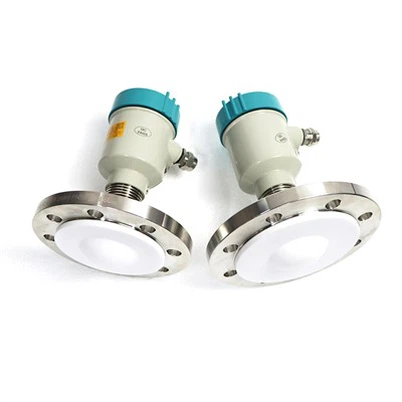
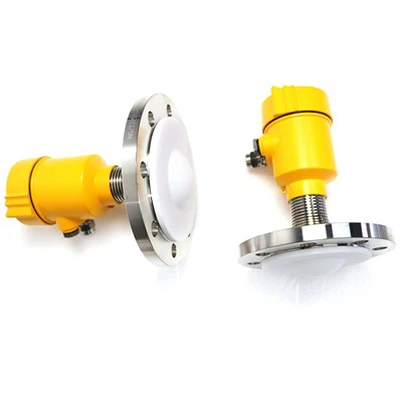
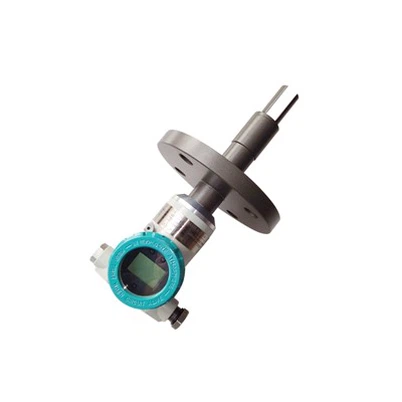
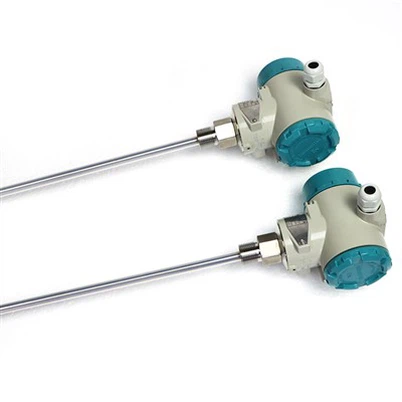
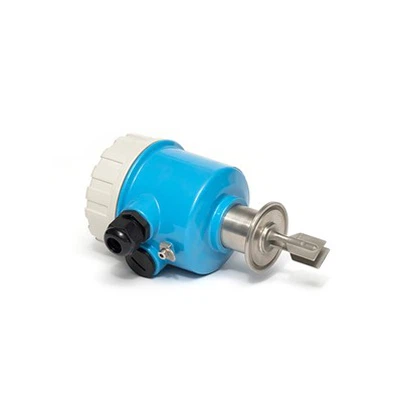
Some of our popular products include Rf admittance type level switch, Capacitive Level Gauge, and Capacitive liquid level detection instrument. These products have been widely used in the oil and gas industry and have received positive feedback from our customers.
7. Conclusion and Call to Action
In conclusion, explosion - proof requirements for capacitive level sensors in the oil and gas industry are of utmost importance. The hazardous environment in this industry demands that sensors are designed and manufactured to the highest safety standards. By choosing the right explosion - proof protection method, complying with relevant standards and certifications, and considering the design and application requirements, we can ensure the safe and reliable operation of capacitive level sensors.
If you are in the oil and gas industry and are looking for high - quality explosion - proof capacitive level sensors, we invite you to contact us for procurement and further discussion. Our team of experts is ready to provide you with professional advice and solutions to meet your specific needs.
References
- IEC 60079 series standards
- National Electrical Code (NEC)
- ATEX and UL certification guidelines