What are the disadvantages of an ultrasonic in-line density meter?
Leave a message

As a supplier of in-line density meters, I've had the privilege of working closely with various industries, helping them monitor and control the density of their fluids accurately. Ultrasonic in-line density meters are one of the popular choices in the market, offering non-invasive and real-time density measurement capabilities. However, like any technology, they come with their own set of disadvantages. In this blog post, I'll delve into the drawbacks of ultrasonic in-line density meters to help you make an informed decision when choosing the right density measurement solution for your application.


Sensitivity to Fluid Properties
One of the primary disadvantages of ultrasonic in-line density meters is their sensitivity to fluid properties. Ultrasonic waves propagate through a fluid based on its acoustic properties, such as density, viscosity, and sound velocity. Any changes in these properties can affect the accuracy of the density measurement.
For instance, fluids with high viscosity can cause the ultrasonic waves to attenuate more rapidly, leading to a weaker signal and reduced measurement accuracy. Similarly, fluids containing suspended solids or bubbles can scatter the ultrasonic waves, causing interference and inaccurate readings. In applications where the fluid properties vary significantly, such as in chemical processes or wastewater treatment, the performance of ultrasonic in-line density meters may be compromised.
Limited Temperature and Pressure Range
Another limitation of ultrasonic in-line density meters is their limited temperature and pressure range. Ultrasonic sensors are typically designed to operate within a specific temperature and pressure range, beyond which their performance may degrade.
High temperatures can cause the ultrasonic transducers to overheat, leading to thermal expansion and changes in the acoustic properties of the sensor. This can result in inaccurate density measurements and reduced sensor lifespan. Similarly, high pressures can cause the ultrasonic waves to be distorted, affecting the accuracy of the measurement.
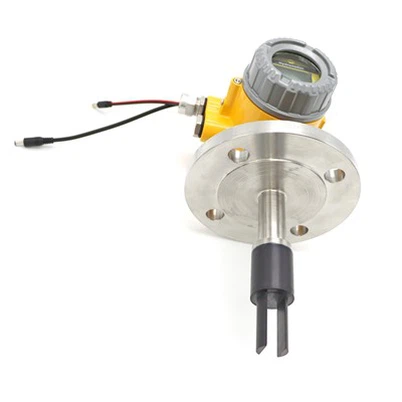
In applications where the fluid temperature and pressure are extreme, such as in oil and gas production or power generation, alternative density measurement technologies may be more suitable. For example, Tuning Fork Density Meter are often used in high-temperature and high-pressure applications due to their robust design and ability to withstand harsh environments.
Calibration and Maintenance Requirements
Ultrasonic in-line density meters require regular calibration and maintenance to ensure accurate and reliable operation. Calibration is necessary to compensate for any changes in the acoustic properties of the fluid or the sensor over time. This typically involves comparing the meter's readings to a known standard and adjusting the calibration parameters accordingly.
Maintenance tasks for ultrasonic in-line density meters include cleaning the sensor, checking the wiring and connections, and replacing any worn or damaged components. Failure to perform regular calibration and maintenance can result in inaccurate density measurements, reduced sensor lifespan, and increased downtime.
In addition, the calibration and maintenance of ultrasonic in-line density meters can be complex and time-consuming, requiring specialized knowledge and equipment. This can add to the overall cost of ownership of the meter and may require the involvement of trained technicians.
Cost
Ultrasonic in-line density meters can be relatively expensive compared to other density measurement technologies. The cost of the meter itself, as well as the installation, calibration, and maintenance requirements, can add up over time.
In addition, the cost of ultrasonic in-line density meters may vary depending on the specific application requirements, such as the size of the pipe, the type of fluid being measured, and the level of accuracy required. In some cases, the cost of an ultrasonic in-line density meter may be prohibitive for smaller businesses or applications with limited budgets.
Compatibility with Certain Fluids
Ultrasonic in-line density meters may not be compatible with certain types of fluids. For example, fluids that are highly corrosive or abrasive can damage the ultrasonic sensors, leading to reduced measurement accuracy and increased maintenance requirements.
In addition, some fluids may have acoustic properties that are difficult to measure accurately using ultrasonic technology. For example, fluids with low sound velocity or high attenuation can make it challenging for the ultrasonic waves to propagate through the fluid, resulting in inaccurate density measurements.
In applications where the fluid is highly corrosive or abrasive, or where the acoustic properties of the fluid are challenging to measure, alternative density measurement technologies may be more suitable. For example, Non nuclear density meter are often used in applications where the fluid contains solids or is highly corrosive, as they are less sensitive to the fluid properties and can provide accurate density measurements in harsh environments.
Conclusion
While ultrasonic in-line density meters offer many advantages, such as non-invasive measurement, real-time monitoring, and high accuracy, they also come with their own set of disadvantages. These include sensitivity to fluid properties, limited temperature and pressure range, calibration and maintenance requirements, cost, and compatibility with certain fluids.
As a supplier of in-line density meters, I understand the importance of choosing the right density measurement solution for your application. When considering an ultrasonic in-line density meter, it's essential to carefully evaluate your specific requirements and consider the potential drawbacks. In some cases, alternative density measurement technologies may be more suitable, depending on the nature of the fluid being measured, the operating conditions, and the level of accuracy required.
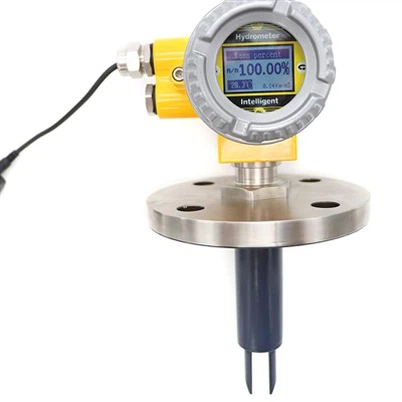
If you're unsure which density measurement solution is right for your application, I encourage you to contact us to discuss your needs. Our team of experts can provide you with more information about our range of in-line density meters, including Online liquid density meter, and help you choose the best solution for your specific requirements. We're committed to providing our customers with high-quality products and exceptional service, and we look forward to working with you to meet your density measurement needs.
References
- "Ultrasonic Density Meters: Principles, Applications, and Limitations." Journal of Process Control, vol. 20, no. 5, 2010, pp. 531-540.
- "Density Measurement Technologies: A Review." Measurement Science and Technology, vol. 22, no. 12, 2011, pp. 122001.
- "Advances in In-Line Density Measurement for Industrial Applications." Chemical Engineering Journal, vol. 170, no. 2, 2011, pp. 487-495.