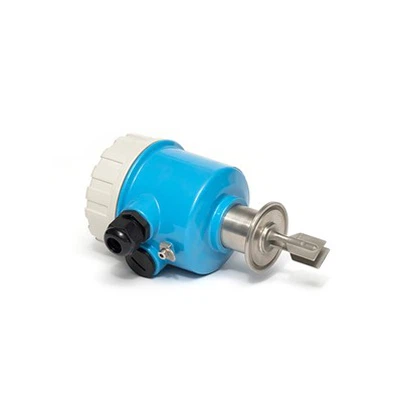

Is an 80G Radar Level Meter suitable for outdoor use?
Leave a message

Is an 80G Radar Level Meter suitable for outdoor use?
As a supplier of 80G Radar Level Meters, I often receive inquiries from customers regarding the suitability of our products for outdoor applications. In this blog post, I will delve into the key factors that determine whether an 80G Radar Level Meter is a good fit for outdoor use, exploring its advantages, potential challenges, and how it compares to other types of level measurement sensors.
Advantages of 80G Radar Level Meters for Outdoor Use
High Frequency and Narrow Beam Angle
One of the primary advantages of 80G Radar Level Meters is their high operating frequency, which typically ranges from 76 to 81 GHz. This high frequency allows for a very narrow beam angle, often as low as 4 to 6 degrees. In an outdoor setting, a narrow beam angle is crucial as it minimizes the chances of the radar signal being affected by surrounding objects such as nearby structures, trees, or equipment. For example, in a large outdoor storage tank farm, the narrow beam can be precisely directed towards the surface of the liquid or solid material being measured, reducing the risk of false echoes caused by reflections from adjacent tanks or other obstacles.
Non - Contact Measurement
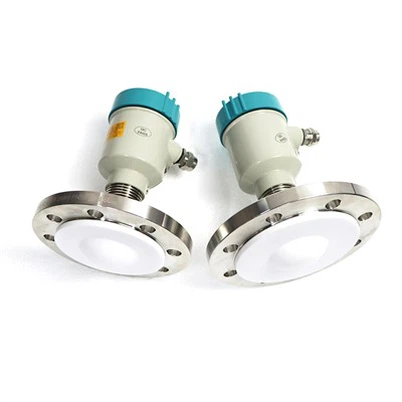
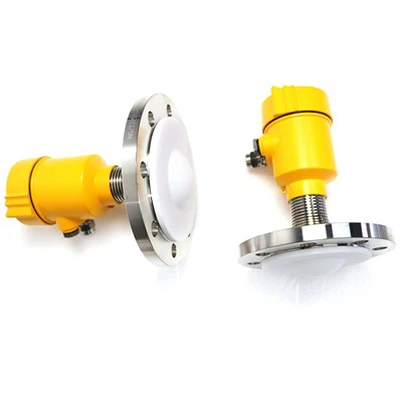
80G Radar Level Meters are Non contact radar sensor devices, which means they do not come into direct contact with the material being measured. This is a significant advantage in outdoor environments where the material may be corrosive, abrasive, or subject to extreme temperatures. For instance, in an outdoor chemical storage facility, the non - contact nature of the radar level meter ensures that it is not damaged by the corrosive chemicals, and it can operate reliably over a long period without the need for frequent maintenance or replacement due to material contact.
High Accuracy and Resolution
These level meters offer high accuracy and resolution, which is essential for outdoor applications where precise measurement is required. Whether it is monitoring the level of water in a large reservoir or the quantity of grain in an outdoor silo, the ability to obtain accurate and detailed measurements is crucial for efficient operation and inventory management. The 80G technology can provide measurement accuracies of up to ± 2 mm, allowing for precise control and decision - making.
Weather Resistance
Most 80G Radar Level Meters are designed to be weather - resistant. They can withstand a wide range of outdoor weather conditions, including rain, snow, high winds, and extreme temperatures. The enclosures of these devices are typically made of robust materials such as stainless steel or high - grade plastics that are resistant to corrosion and UV radiation. This means that they can be installed outdoors without the need for elaborate protective structures, reducing installation costs and ensuring long - term reliability.


Potential Challenges in Outdoor Use
Dust and Debris
In some outdoor environments, such as mining sites or construction areas, there may be a significant amount of dust and debris in the air. This can potentially interfere with the radar signal, causing false echoes or reducing the accuracy of the measurement. However, many modern 80G Radar Level Meters are equipped with advanced signal processing algorithms that can filter out noise caused by dust and debris. Additionally, some models have special antenna designs that are less prone to dust accumulation.
Temperature Variations
Outdoor temperatures can vary significantly throughout the day and across different seasons. Extreme temperature changes can affect the performance of electronic components in the radar level meter. To mitigate this issue, manufacturers often design their 80G Radar Level Meters with temperature compensation features. These features adjust the operation of the device to maintain accurate measurements regardless of the ambient temperature.
Signal Interference
In outdoor areas with a lot of electronic equipment or radio frequency sources, there may be signal interference. For example, in an industrial park with multiple wireless communication systems and radar devices, the 80G Radar Level Meter may experience interference from other signals. To address this, the radar level meters are designed to operate on specific frequency bands and are equipped with filtering mechanisms to reject unwanted signals.
Comparison with Other Level Measurement Sensors
Guided Wave Radar Sensor
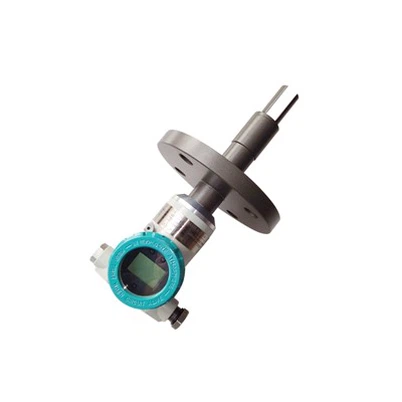
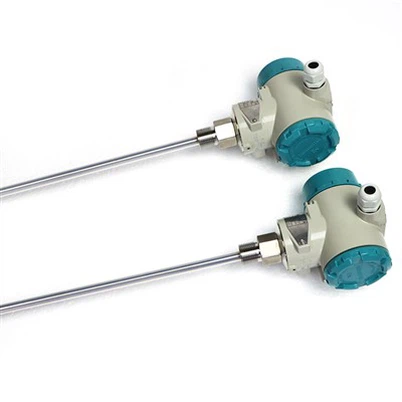
Guided wave radar sensor devices work by sending a radar signal along a probe that is in contact with the material. While guided wave radar sensors can be accurate, they may not be as suitable for outdoor use in some cases. The probe can be damaged by outdoor elements such as extreme weather, physical impact, or corrosion. In contrast, the non - contact 80G Radar Level Meter is more resilient to these outdoor hazards and can provide reliable measurements without the need for a probe.
Ultrasonic Level Sensors
Ultrasonic level sensors are another common type of level measurement device. However, they are more susceptible to environmental factors such as temperature, humidity, and wind. In outdoor settings, the speed of sound can vary significantly due to temperature changes, affecting the accuracy of ultrasonic measurements. 80G Radar Level Meters, on the other hand, are not affected by these factors as they use electromagnetic waves instead of sound waves for measurement.
Applications of 80G Radar Level Meters in Outdoor Settings
Storage Tanks
In outdoor storage tank farms for liquids such as oil, gasoline, or chemicals, 80G Radar Level Meters are widely used. They can accurately monitor the level of the liquid in the tanks, providing real - time data for inventory management and preventing over - filling or under - filling. The narrow beam angle and high accuracy of these meters ensure that the measurement is precise, even in large tanks with complex geometries.
Silos
Outdoor silos used for storing grains, cement, or other bulk materials can benefit greatly from 80G Radar Level Meters. The non - contact measurement and high resolution of these devices allow for accurate monitoring of the material level, which is crucial for inventory control and efficient operation. The weather - resistant design ensures that the level meter can operate reliably in all weather conditions.
Water Reservoirs
For outdoor water reservoirs, 80G Radar Level Meters can provide accurate and continuous level measurements. This data is essential for water resource management, flood control, and ensuring a stable water supply. The ability to withstand harsh outdoor weather conditions and the high accuracy of the measurements make these meters an ideal choice for this application.
Conclusion
In conclusion, an 80G Radar Level Meter is generally very suitable for outdoor use. Its high frequency, non - contact measurement, high accuracy, and weather resistance make it well - suited to a wide range of outdoor applications. While there are some potential challenges such as dust, temperature variations, and signal interference, modern 80G Radar Level Meters are designed with advanced features to overcome these issues.
If you are considering an outdoor level measurement solution, our 80G Radar Level Meters offer a reliable and efficient option. We have a wide range of models to meet different application requirements, and our team of experts can provide you with professional advice and support. If you are interested in learning more about our Non contact radar level transmitter or have specific application needs, please feel free to contact us for further discussion and potential procurement.
References
- "Radar Level Measurement Technology" - A technical guide published by leading radar sensor manufacturers.
- Industry reports on outdoor level measurement applications and sensor technologies.
- Research papers on the performance of high - frequency radar sensors in various environmental conditions.